Margins
Margins
Sign in
Margins
Subscribe to our newsletter
548 Market St PMB 65688, San Francisco California 94104-5401 USA
hello@margins.app
·
+1 (650) 223-5283
Privacy Policy
·
Terms of Use
© 2026 Paratext Inc. All rights reserved
📚 Clássicos
📚
Clássicos
L'idiota
1869
Fjodor Dostojevskij
Returning to Russia from a sanitarium in Switzerland, the Christ-like epileptic Prince Myshkin finds himself enmeshed in a tangle of love, torn between two women—the notorious kept woman Nastasya and the pure Aglaia—both involved, in turn, with the corrupt, money-hungry Ganya. In the end, Myshkin’s honesty, goodness, and integrity are shown to be unequal to the moral emptiness of those around him. In her revision of the Garnett translation, Anna Brailovsky has corrected inaccuracies wrought by Garnett’s drastic anglicization of the novel, restoring as much as possible the syntactical structure of the original story.
A Confession
1880
León Tolstói
A Confession—an essay by Leo Tolstoy on his religious thoughts—shows the great author in process of looking for answers to profound questions that trouble all who take them on: "What will come of my life?" and "What is the meaning of life?" these are questions whose answers were an absolute requirement for Tolstoy. In the course of the essay, Tolstoy shows different attempts to find answers on the examples of science, philosophy, eastern wisdom, and the opinions of his fellow novelists... finding no workable solution in any of these, Tolstoy recognizes the deep religious convictions of ordinary people as containing the key to true answers. The first attempt at its publication took place in 1882 (Russkaya Mysl, No 5), but Tolstoy's work was removed virtually from the whole edition of the journal by Orthodox Church censorship. The text was later published in Geneva (1884), in Russia as late as 1906 (Vsemirnyj Vestnik, No 1).
Anna Karenina
1878
León Tolstói
Von vielen als der größte Roman der Welt gefeiert, bietet Anna Karenina ein weites Panorama des zeitgenössischen Lebens in Russland und der Menschheit im Allgemeinen. Darin nutzt Tolstoi seine intensive Vorstellungskraft, um einige der unvergesslichsten Figuren der gesamten Literatur zu schaffen. Anna ist eine kultivierte Frau, die ihre leere Existenz als Frau Karenins aufgibt und sich Graf Wronski zuwendet, um ihre leidenschaftliche Natur zu erfüllen – mit tragischen Folgen. Lewin spiegelt Tolstoi selbst wider und bringt oft die eigenen Ansichten und Überzeugungen des Autors zum Ausdruck. Durchgehend zieht Tolstoi keine moralische Lehre, sondern lädt uns lediglich ein, nicht zu urteilen, sondern zuzusehen. Wie Rosemary Edmonds bemerkt: „Er überlässt die wechselnden Muster des Kaleidoskops, um die Bedeutung der düsteren Worte nach dem Titel zur Geltung zu bringen: ‚Mein ist die Rache, ich will vergelten.‘“
Guerra y paz
1867
León Tolstói
In Russia's struggle with Napoleon, Tolstoy saw a tragedy that involved all mankind. War and Peace broadly focuses on Napoleon’s invasion of Russia in 1812 and follows three of the most well-known characters in literature: Pierre Bezukhov, the illegitimate son of a count who is fighting for his inheritance and yearning for spiritual fulfillment; Prince Andrei Bolkonsky, who leaves his family behind to fight in the war against Napoleon; and Natasha Rostov, the beautiful young daughter of a nobleman who intrigues both men. As Napoleon’s army invades, Tolstoy brilliantly follows characters from diverse backgrounds—peasants and nobility, civilians and soldiers—as they struggle with the problems unique to their era, their history, and their culture. And as the novel progresses, these characters transcend their specificity, becoming some of the most moving—and human—figures in world literature. Tolstoy gave his personal approval to this translation, published here in a new single volume edition, which includes an introduction by Henry Gifford, and Tolstoy's important essay `Some Words about War and Peace'.
La metamorfosis
1915
Φραντς Κάφκα
«حين استيقظ غريغور سامسا ذات صباح من أحلام مضطربة، وجد نفسه قد تحول في سريره إلى حشرة ضخمة. كان مستلقيًا على ظهره الصلب، كأنه مصفح بالدروع، وحين رفع رأسه قليلًا استطاع أن يرى بطنه البني المقبب، المقسم إلى حلقات مقوسة صلبة، والتي بالكاد كان لحاف السرير يثبت فوقها وكان على وشك أن ينزلق تمامًا. وكانت ساقاه الكثيرة، الهزيلة على نحو يبعث على الشفقة مقارنة ببقية جسده، تتلوى عاجزة أمام عينيه.» بهذه الافتتاحية المدهشة والغريبة، لكنها المضحكة على نحو مفاجئ، يبدأ كافكا رائعته «التحول». إنها قصة شاب يتحول بين ليلة وضحاها إلى حشرة عملاقة تشبه الخنفساء، فيغدو موضع خزي لعائلته، وغريبًا في بيته نفسه، وإنسانًا مغتربًا في جوهره. «التحول» تأمل مؤلم، وإن كان هزليًا على نحو عبثي، في مشاعر الإنسان بالعجز والذنب والعزلة، وقد احتل مكانته بوصفه أحد أكثر أعمال أدب القرن العشرين قراءةً وتأثيرًا. وكما كتب و. هـ. أودن: «كافكا مهم لنا لأن محنته هي محنة الإنسان الحديث.»
Misdaad en straf
1866
Fjodor Dostojevskij
Raskolnikov, a destitute and desperate former student, wanders through the slums of St Petersburg and commits a random murder without remorse or regret. He imagines himself to be a great man, a Napoleon: acting for a higher purpose beyond conventional moral law. But as he embarks on a dangerous game of cat and mouse with a suspicious police investigator, Raskolnikov is pursued by the growing voice of his conscience and finds the noose of his own guilt tightening around his neck. Only Sonya, a downtrodden sex worker, can offer the chance of redemption.
1984
1949
George Orwell
لقد جاء عام 1984 ومضى، لكن رؤية جورج أورويل النبوئية الكابوسية التي صاغها عام 1949 للعالم الذي كنا نصير إليه تبدو اليوم أكثر راهنية من أي وقت مضى. لا تزال «1984» الكلاسيكية الحديثة العظيمة في أدب «اليوتوبيا السلبية» — رواية أصيلة على نحو مدهش ومقلقة، تخلق عالماً خيالياً مقنعاً تماماً، من الجملة الأولى إلى الكلمات الأربع الأخيرة. ولا يستطيع أحد إنكار سطوة الرواية على مخيلات أجيال كاملة، أو قوة تحذيراتها — وهي قوة يبدو أنها تزداد، لا تضعف، مع مرور الزمن.
Ensayo sobre la ceguera
1995
José Saramago
No food, no water, no government, no obligation, no order. Discover a chillingly powerful and prescient dystopian vision from one of Europe's greatest writers. A driver waiting at the traffic lights goes blind. An ophthalmologist tries to diagnose his distinctive white blindness, but is affected before he can read the textbooks. It becomes a contagion, spreading throughout the city. Trying to stem the epidemic, the authorities herd the afflicted into a mental asylum where the wards are terrorised by blind thugs. And when fire destroys the asylum, the inmates burst forth and the last links with a supposedly civilised society are snapped. This is not anarchy, this is blindness. ‘Saramago repeatedly undertakes to unite the pressing demands of the present with an unfolding vision of the future. This is his most apocalyptic, and most optimistic, version of that project yet’ Independent
The Unbearable Lightness of Being
1984
Milan Kundera
في «كائن لا تُحتمل خفته»، يروي ميلان كونديرا قصة امرأة شابة تحب رجلاً ممزقاً بين حبه لها ونزعته التي لا تُصلح إلى ملاحقة النساء، وإحدى عشيقاته وحبيبها المتواضع الوفي. تقارن هذه الرواية الرائعة بين أمكنة متباعدة جغرافياً، وتأملات لامعة ومرحة، وتنوّع في الأساليب، لتحتل مكانتها بوصفها ربما الإنجاز الأبرز لأحد أعظم كتّاب العالم حقاً.
Fahrenheit 451
1953
Ray Bradbury
Sixty years after its original publication, Ray Bradbury’s internationally acclaimed novel Fahrenheit 451 stands as a classic of world literature set in a bleak, dystopian future. Today its message has grown more relevant than ever before. Guy Montag is a fireman. His job is to destroy the most illegal of commodities, the printed book, along with the houses in which they are hidden. Montag never questions the destruction and ruin his actions produce, returning each day to his bland life and wife, Mildred, who spends all day with her television “family.” But when he meets an eccentric young neighbor, Clarisse, who introduces him to a past where people didn’t live in fear and to a present where one sees the world through the ideas in books instead of the mindless chatter of television, Montag begins to question everything he has ever known.
La muerte de Iván Ilich
1886
León Tolstói
Hailed as one of the world's supreme masterpieces on the subject of death and dying, The Death of Ivan Ilyich is the story of a worldly careerist, a high court judge who has never given the inevitability of his dying so much as a passing thought. But one day, death announces itself to him, and to his shocked surprise, he is brought face to face with his own mortality. How, Tolstoy asks, does an unreflective man confront his one and only moment of truth? This short novel was an artistic culmination of a profound spiritual crisis in Tolstoy's life, a nine-year period following the publication of Anna Karenina during which he wrote not a word of fiction. A thoroughly absorbing, and, at times, terrifying glimpse into the abyss of death, it is also a strong testament to the possibility of finding spiritual salvation.
Białe noce
1848
Fjodor Dostojevskij
White Nights is a short story by Fyodor Dostoevsky that was published in 1848. Set in St. Petersburg, it is the story of a young man fighting his inner restlessness. A light and tender narrative, it delves into the torment and guilt of unrequited love. Both protagonists suffer from a deep sense of alienation that initially brings them together. A blend of romanticism and realism, the story appeals gently to the senses and feelings.
Farm der Tiere
Ein Märchen
George Orwell
«جميع الحيوانات متساوية، لكن بعض الحيوانات أكثر مساواة من غيرها». تستولي الحيوانات المُجهَدة التي أُسيئت معاملتها على مزرعة. وبمثالية متقدة وشعارات مثيرة للحماسة، تنطلق لإنشاء جنة من التقدم والعدالة والمساواة. وهكذا يُمهَّد المسرح لواحدة من أبلغ الخرافات الساخرة التي كُتبت على الإطلاق — حكاية خرافية حادة كالموسى للبالغين تسجل التطور من ثورة ضد الطغيان إلى شمولية لا تقل فظاعة. عندما نُشرت «مزرعة الحيوانات» لأول مرة، كان يُنظر إلى روسيا الستالينية بوصفها هدفها. أما اليوم، فمن الواضح بصورة مدمرة أنه أينما ومتى ما تعرضت الحرية للهجوم، وتحت أي راية كان ذلك، فإن الوضوح القاطع والكوميديا الضارية لتحفة جورج أورويل لا يزالان يحملان معنى ورسالة شديدَي الجِدّة.
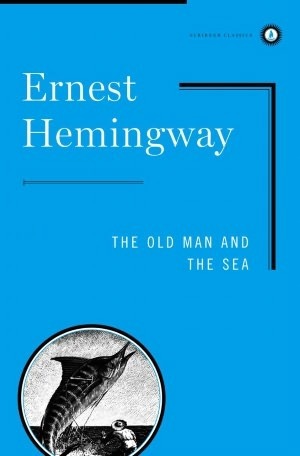
노인과 바다
1952
Ernest Hemingway
Poznámka knihovníka: Alternativní vydání s jinou obálkou najdete zde. Tento krátký román, již moderní klasika, je skvěle vyprávěným tragickým příběhem kubánského rybáře v Golfském proudu a obrovského marlína, kterého uloví a ztratí — příběhem výslovně zmíněným v odůvodnění autorovy Nobelovy ceny za literaturu v roce 1954.
Jane Eyre
1847
Charlotte Brontë
Alternate editions can be found here and here. A gothic masterpiece of tempestuous passions and dark secrets, Charlotte Brontë's Jane Eyre is edited with an introduction and notes by Stevie Davis in Penguin Classics. Charlotte Brontë tells the story of orphaned Jane Eyre, who grows up in the home of her heartless aunt, enduring loneliness and cruelty. This troubled childhood strengthens Jane's natural independence and spirit - which prove necessary when she finds employment as a governess to the young ward of Byronic, brooding Mr Rochester. As her feelings for Rochester develop, Jane gradually uncovers Thornfield Hall's terrible secret, forcing her to make a choice. Should she stay with Rochester and live with the consequences, or follow her convictions - even if it means leaving the man she loves? A novel of intense power and intrigue, Jane Eyre dazzled readers with its passionate depiction of a woman's search for equality and freedom.
Vánoční koleda
1843
Charles Dickens
„Kdyby bylo po mém, každý hlupák, který chodí kolem s Veselé Vánoce na rtech, by měl být uvařen ve vlastním pudinku a pohřben s kůlem z cesmíny vraženým skrz srdce. Veselé Vánoce? To jsou mi ale řeči!“ Úvod a doslov od Joea Wheelera Pro zahořklého, lakomého Ebenezerа Scrooge jsou Vánoce jen dalším dnem. To vše se však změní, když se zjeví duch jeho dávno zesnulého obchodního partnera a varuje Scrooge, aby změnil své způsoby, než bude příliš pozdě. Toto zkrácené vydání, součást sbírky Focus on the Family Great Stories, obsahuje podrobný úvod a otázky k diskusi od Joea Wheelera, které dnešnímu čtenáři pomohou lépe porozumět dílu. „Vánoční koleda“ vystihuje podstatu svátků jako žádný jiný román.
História do Declínio e Queda do Império Romano
1995
Edward Gibbon
A história mais importante das transformações que afectaram uma boa parte do mundo nos últimos anos do Império romano e nos séculos que se seguiram. O livro que o jornal The Guardian elegeu como uma das cem melhores obras de língua inglesa de todos os tempos e o melhor livro de história, também em língua inglesa, demorou mais de quinze anos a ser escrito. Usando unicamente fontes primárias – textos e documentos escritos por pessoas que viviam na época dos eventos descritos – Gibbon compilou uma das histórias mais fiéis jamais escritas. O autor acompanha o percurso do Império desde o seu auge, no ano de 98 d.C., até ao ano de 1580, mais de um século depois da queda do Império Romano do Oriente. Dessa forma, estão descritas as inter-relações entre a civilização ocidental e a civilização islâmica, mas também as conquistas mongóis que chegaram ao coração da Europa. Gibbon explica de forma deslumbrante o modo como o mundo está ainda a sofrer as consequências do Império Romano e da sua destruição, ajudando-nos a compreender muitos dos conflitos que marcam os nossos dias. «A melhor obra de história escrita em língua inglesa.» John Julius Norwich «Confesso que a série de livros "Fundação" teve como base inspiradora a inultrapassável história de Gibbon.» Isaac Asimov «O rigor de Gibbon e a sua capacidade de interpretar os eventos são indiscutíveis.» François Furet «No mundo anglófono, Gibbon é o pai da historiografia moderna. E continua a ser mais moderno do que muitos.» Leslie Stephen «Gibbon tem o talento que falta a muitos a capacidade de fazer do passado uma coisa viva. A sua prosa é notável.» Thomas Homer-Dixon «A maior parte dos historiadores de hoje já não vai investigar as fontes primárias, para tal basta ler Gibbon.» Hugh Trevor-Roper Esta edição é a versão reduzida da monumental obra de Gibbon (6 volumes) preparada por D. M. Low. e será publicada em dois volumes.