Margins
Margins
Sign in
Margins
Subscribe to our newsletter
548 Market St PMB 65688, San Francisco California 94104-5401 USA
hello@margins.app
·
+1 (650) 223-5283
Privacy Policy
·
Terms of Use
© 2026 Paratext Inc. All rights reserved
📚 classics
📚
classics
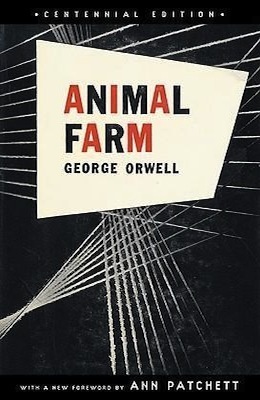
Animal Farm
1945
George Orwell
“All animals are equal, but some animals are more equal than others.” A farm is taken over by its overworked, mistreated animals. With flaming idealism and stirring slogans, they set out to create a paradise of progress, justice, and equality. Thus the stage is set for one of the most telling satiric fables ever penned—a razor-edged fairy tale for grown-ups that records the evolution from revolution against tyranny to a totalitarianism just as terrible. When Animal Farm was first published, Stalinist Russia was seen as its target. Today it is devastatingly clear that wherever and whenever freedom is attacked, under whatever banner, the cutting clarity and savage comedy of George Orwell’s masterpiece have a meaning and message still ferociously fresh.
Orlando
1928
Virginia Woolf
Virginia Woolf's Orlando 'The longest and most charming love letter in literature', playfully constructs the figure of Orlando as the fictional embodiment of Woolf's close friend and lover, Vita Sackville-West. Spanning three centuries, the novel opens as Orlando, a young nobleman in Elizabeth's England, awaits a visit from the Queen and traces his experience with first love as England under James I lies locked in the embrace of the Great Frost. At the midpoint of the novel, Orlando, now an ambassador in Constantinople, awakes to find that he is now a woman, and the novel indulges in farce and irony to consider the roles of women in the 18th and 19th centuries. As the novel ends in 1928, a year consonant with full suffrage for women. Orlando, now a wife and mother, stands poised at the brink of a future that holds new hope and promise for women.
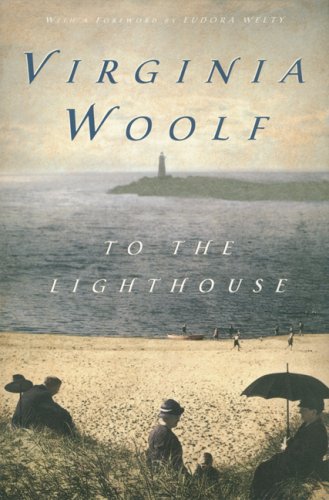
To the Lighthouse
1927
Virginia Woolf
The serene and maternal Mrs. Ramsay, the tragic yet absurd Mr. Ramsay, and their children and assorted guests are on holiday on the Isle of Skye. From the seemingly trivial postponement of a visit to a nearby lighthouse, Woolf constructs a remarkable, moving examination of the complex tensions and allegiances of family life and the conflict between men and women. As time winds its way through their lives, the Ramsays face, alone and simultaneously, the greatest of human challenges and its greatest triumph—the human capacity for change.