Margins
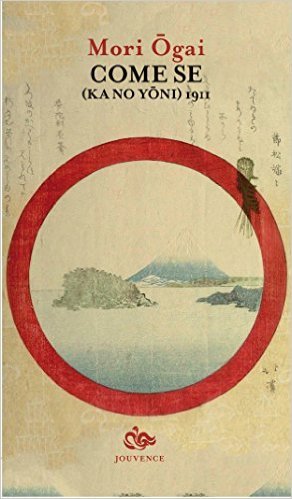
Come Se book cover
Come Se
1912
First Published
3.29
Average Rating
49
Number of Pages
Mori Ogai fu un grande scrittore e saggista giapponese e svolse un ruolo di primo piano nel rinnovamento culturale del Paese alla fine del XIX secolo. Introdusse in Giappone alcuni dei più importanti autori europei, da Goethe a Rilke e Ibsen. "Come Se", racconto presentato in questa edizione, narra la travagliata indagine del protagonista Hidemaru alla ricerca del significato della vita. Un significato sfuggente in cui individuo, storia e mito s'intrecciano con il profondo senso del dovere, che permea la cultura giapponese e la vita del protagonista, alter ego dello stesso Mori Ogai. Uno scritto di grande modernità, che trova il suo fulcro nel tema dell'individualismo. La dolorosa lacerazione tra singolo e società è infatti il tema centrale di tutta la riflessione di Ogai, nonché la chiave con cui accedere al suo modo di scrivere, che sotto le metafore e le espressioni poetiche, nasconde un profondo realismo critico.

Avg Rating
3.29
Number of Ratings
66
5 STARS
14%
4 STARS
20%
3 STARS
48%
2 STARS
18%
1 STARS
0%
goodreads

Author

Ogai Mori
Ogai Mori
Author · 18 books

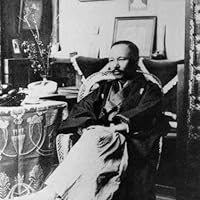
Mori Ōgai, pseudonym of Mori Rintarō (born February 17, 1862, Tsuwano, Japan—died July 9, 1922, Tokyo), one of the creators of modern Japanese literature. The son of a physician of the aristocratic warrior (samurai) class, Mori Ōgai studied medicine, at first in Tokyo and from 1884 to 1888 in Germany. In 1890 he published the story “Maihime” (“The Dancing Girl”), an account closely based on his own experience of an unhappy attachment between a German girl and a Japanese student in Berlin. It represented a marked departure from the impersonal fiction of preceding generations and initiated a vogue for autobiographical revelations among Japanese writers. Ōgai’s most popular novel, Gan (1911–13; part translation: The Wild Goose), is the story of the undeclared love of a moneylender’s mistress for a medical student who passes by her house each day. Ōgai also translated Hans Christian Andersen’s autobiographical novel Improvisatoren. In 1912 Ōgai was profoundly moved by the suicide of General Nogi Maresuke, following the death of the emperor Meiji, and he turned to historical fiction depicting the samurai code. The heroes of several works are warriors who, like General Nogi, commit suicide in order to follow their masters to the grave. Despite his early confessional writings, Ōgai came to share with his samurai heroes a reluctance to dwell on emotions. His detachment made his later works seem cold, but their strength and integrity were strikingly close to the samurai ideals he so admired.

548 Market St PMB 65688, San Francisco California 94104-5401 USA
© 2026 Paratext Inc. All rights reserved