1997
First Published
3.97
Average Rating
307
Number of Pages
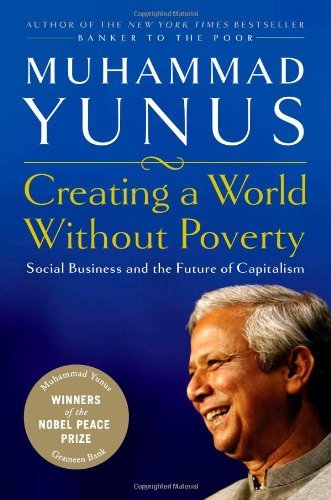
In the last two decades, free markets have swept the globe, bringing with them enormous potential for positive change. But traditional capitalism cannot solve problems like inequality and poverty, because it is hampered by a narrow view of human nature in which people are one-dimensional beings concerned only with profit. In fact, human beings have many other drives and passions, including the spiritual, the social, and the altruistic. Welcome to the world of social business, where the creative vision of the entrepreneur is applied to today's most serious feeding the poor, housing the homeless, healing the sick, and protecting the planet. Creating a World Without Poverty tells the stories of some of the earliest examples of social businesses, including Yunus' own Grameen Bank. It reveals the next phase in a hopeful economic and social revolution that is already under way—and in the worldwide effort to eliminate poverty by unleashing the productive energy of every human being.

Avg Rating
3.97
Number of Ratings
3,213
5 STARS
33%
4 STARS
39%
3 STARS
22%
2 STARS
5%
1 STARS
1%
goodreads
Author

Muhammad Yunus
Author · 6 books
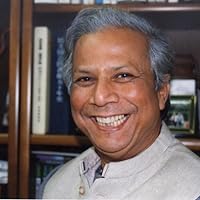
Dr. Muhammad Yunus is a Bangladeshi banker and economist. He previously was a professor of economics and is famous for his successful application of microcredit—the extension of small loans given to entrepreneurs too poor to qualify for traditional bank loans. Dr. Yunus is also the founder of Grameen Bank. In 2006, Yunus and the bank were jointly awarded the Nobel Peace Prize "for their efforts to create economic and social development from below." He has also received several other national and international honors. Dr. Yunus is one of the founding members of Global Elders, a group of public figures noted as elder statesmen, peace activists, and human rights advocates whose goal is to solve global problems by using "almost 1,000 years of collective experience" to work on solutions for seemingly insurmountable problems like climate change, HIV/AIDS, and poverty, and "use their political independence to help resolve some of the world's most intractable conflicts."