Margins
Margins
Sign in
Margins
Subscribe to our newsletter
548 Market St PMB 65688, San Francisco California 94104-5401 USA
hello@margins.app
·
+1 (650) 223-5283
Privacy Policy
·
Terms of Use
© 2026 Paratext Inc. All rights reserved
📚
Creativity
The Design of Everyday Things
1988
Donald A. Norman
Anyone who designs anything to be used by humans—from physical objects to computer programs to conceptual tools—must read this book, and it is an equally tremendous read for anyone who has to use anything created by another human. It could forever change how you experience and interact with your physical surroundings, open your eyes to the perversity of bad design and the desirability of good design, and raise your expectations about how things should be designed. B & W photographs and illustrations throughout.
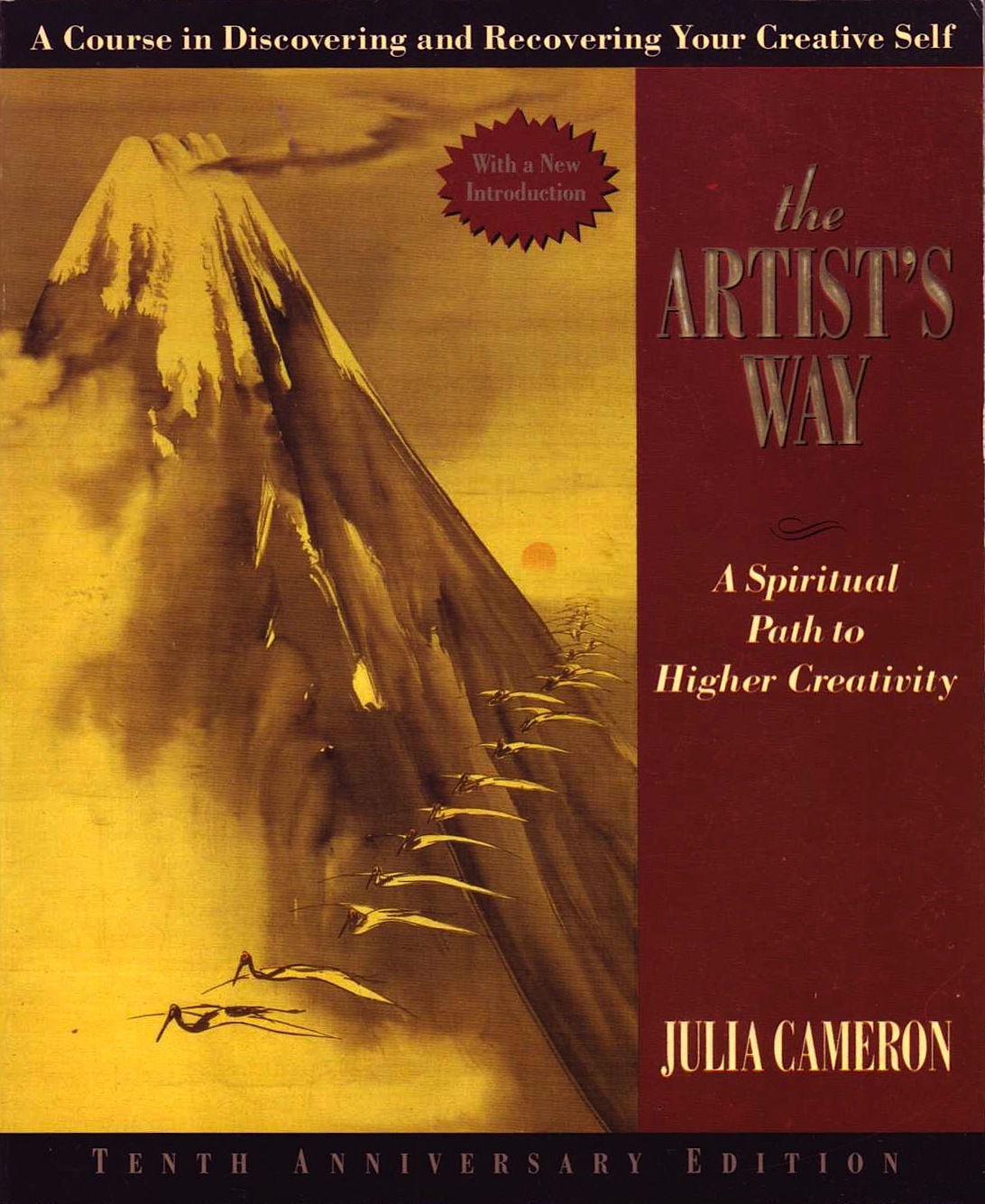
The Artist's Way
A Spiritual Path to Higher Creativity
Julia Cameron
The Artist’s Way is the seminal book on the subject of creativity. An international bestseller, millions of readers have found it to be an invaluable guide to living the artist’s life. Still as vital today—or perhaps even more so—than it was when it was first published one decade ago, it is a powerfully provocative and inspiring work. In a new introduction to the book, Julia Cameron reflects upon the impact of The Artist’s Way and describes the work she has done during the last decade and the new insights into the creative process that she has gained. Updated and expanded, this anniversary edition reframes The Artist’s Way for a new century.
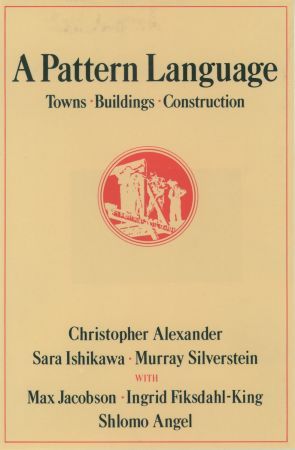
A Pattern Language
Towns, Buildings, Construction
Christopher W. Alexander
At the core of A Pattern Language is the philosophy that in designing their environments people always rely on certain ‘languages,’ which, like the languages we speak, allow them to articulate and communicate an infinite variety of designs within a formal system which gives them coherence. This book provides a language of this kind. It will enable making a design for almost any kind of building, or any part of the built environment. ‘Patterns,’ the units of this language, are answers to design problems: how high should a window sill be?; how many stories should a building have?; how much space in a neighborhood should be devoted to grass and trees? More than 250 of the patterns in this language are outlined, each consisting of a problem statement, a discussion of the problem with an illustration, and a solution. As the authors say in their introduction, many of the patterns are archetypal, so deeply rooted in the nature of things that it seems likely that they will be a part of human nature and human action as much in five hundred years as they are today. A Pattern Language is related to Alexander’s other works in the Center for Environmental Structure series: The Timeless Way of Building (introductory volume) and The Oregon Experiment.
📚 Creativity