Eighteenth-century England was a land of profound contradiction. On the one hand it exhibited the spirit of the Age of Reason, with the intellects of Alexander Pope, Adam Smith, and Samuel Johnson flourishing in Augustan calm and elegance. But on the other it was a Hogarthian caricature come to life, a world of crime, disease, and squalor, where life was cheap and visitors to English cities half expected to be robbed, raped, or murdered upon arrival—and often had their worst fears confirmed. Was it a society more open than its oppressive continental neighbors that allowed this chaos? Or was it, in some crude fashion, a means of redistributing wealth in a country where the line between rich and poor was a veritable abyss? While questions such as these have been raised and partly answered in the last decade, Frank McLynn here provides the first comprehensive view of crime and its consequences in eighteenth-century England. Much of the book dispels the traditonal myths of crime in the eighteenth century, but it does more than merely challenge these old assumptions. McLynn places crime and punishment in a wider social and political context, and shows how a pervading sense of insecurity—due in part to the constant threat of Jacobitism and instability of the economy—contributed in a large part to the rampant lawlessness. He also demonstrates how, despite the ever-growing list of capital offenses, a day at the Tyburn gallows offered more in the way of celebration than deterrance for would-be criminals. Drawing many parallels to our own often chaotic world, this book offers us a distant and disturbing mirror, one that helps readers focus not only on the social problems of yesterday, but on those of today as well.
Author
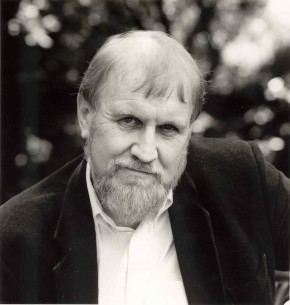
Frank McLynn is an English author, biographer, historian and journalist. He is noted for critically acclaimed biographies of Napoleon Bonaparte, Robert Louis Stevenson, Carl Jung, Richard Francis Burton and Henry Morton Stanley. McLynn was educated at Wadham College, Oxford and the University of London. He was Alistair Horne Research Fellow at St Antony's College, Oxford (1987–88) and was visiting professor in the Department of Literature at the University of Strathclyde (1996–2001) and professorial fellow at Goldsmiths College London (2000 - 2002) before becoming a full-time writer.