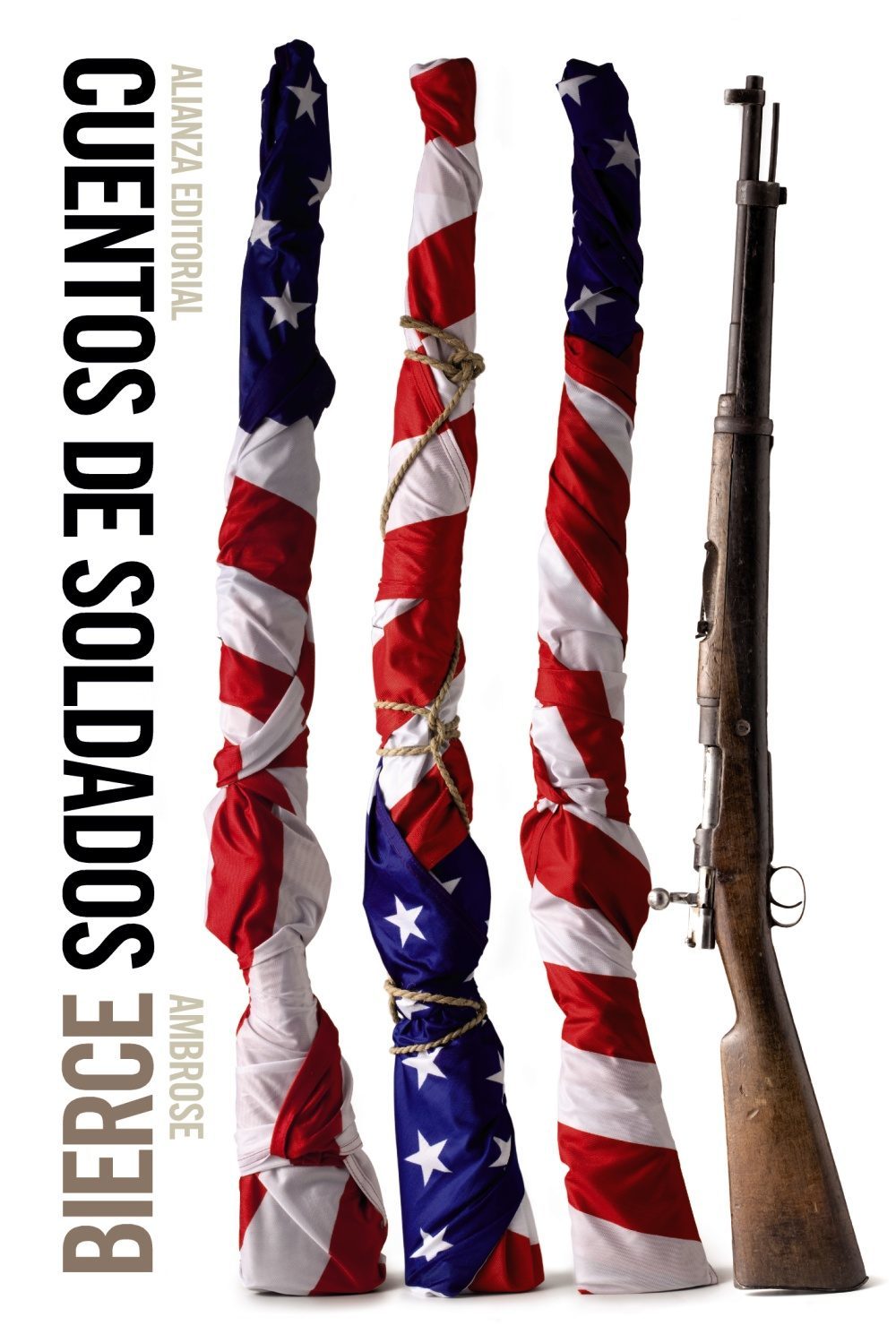



Nacido en 1842 en un pueblo de Ohio, Ambrose Bierce participó de lleno, alistado en las filas de la Unión, en la sangrienta guerra civil que había de asolar diecinueve años más tarde a los jóvenes Estados Unidos. Pese a adaptarse bien a la vida militar, las experiencias que vivió en esos cuatro años en los campos de batalla lo marcaron de forma indeleble y, en combinación con su peculiar personalidad, determinaron su visión ácida y demoledora de la sociedad que surgió tras ella. Los “Cuentos de soldados” seleccionados para esta edición muestran una descripción tan descarnada de la guerra como implacable y fulminante del comportamiento hombre y mujeres en las circunstancias que dicta. Quince piezas maestras que hacen de este volumen sin duda un libro de referencia para los amantes de la literatura. Selección y traducción de Aitor Ibarrola-Armendariz
Author

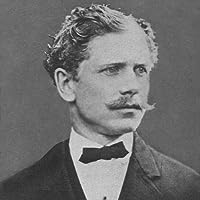
Ambrose Gwinnett Bierce (1842-1914) was an American editorialist, journalist, short story writer, fabulist and satirist. Today, he is best known for his short story, An Occurrence at Owl Creek Bridge and his satirical lexicon, The Devil's Dictionary. The sardonic view of human nature that informed his work – along with his vehemence as a critic, with his motto "nothing matters" – earned him the nickname "Bitter Bierce." Despite his reputation as a searing critic, however, Bierce was known to encourage younger writers, including poet George Sterling and fiction writer W. C. Morrow. Bierce employed a distinctive style of writing, especially in his stories. This style often embraces an abrupt beginning, dark imagery, vague references to time, limited descriptions, the theme of war, and impossible events. Bierce disappeared in December 1913 at the age of 71. He is believed to have traveled to Mexico to gain a firsthand perspective on that country's ongoing revolution. Despite an abundance of theories, Bierce's ultimate fate remains a mystery. He wrote in one of his final letters: "Good-bye. If you hear of my being stood up against a Mexican stone wall and shot to rags, please know that I think it is a pretty good way to depart this life. It beats old age, disease, or falling down the cellar stairs. To be a Gringo in Mexico—ah, that is euthanasia!"