


Margins
2024
First Published
4.00
Average Rating
224
Number of Pages

Eras atrás, mulheres viveram tempos ferozes e os simbolizaram em tramas de bravura, drama, suspense, romance e inspiração para posteridade. Damas Ferozes reúne contos clássicos e raros de diversas dessas mulheres, em diferentes locais do mundo, ao longo da nossa história. Prefácio por Bárbara Libório, Instituto Azmina Conheça os contos que compõe a coletânea: O papel de parede amarelo, Charlotte Perkins Gilman Em meio à estampa saturada de amarelo, uma mulher experimenta um desconforto penetrante, como se os padrões labirínticos estivessem conectados a um eco de seu próprio ser, a uma sombra que rasteja para além de seus passos. Homens de mármore, Edith Nesbit Um par de estátuas de mármore ganha vida e percorre um certo caminho para cometer atrocidades. O que pode acontecer quando o aviso vindo de uma mulher é desacreditado? As duas propostas, Frances Watkins Harper Quais são os valores morais e afetuosos que se devem pesar na escolha de um parceiro para o matrimônio? Após uma decisão tomada, resta apenas aguardar o tempo para trazer respostas, e talvez elas não sejam muito felizes. A bela dançarina de Edo, Grace James Sakura-ko dança em seu próprio passo em meio ao ritmo de uma sociedade onde o destino das mulheres é traçado por expectativas de uma sociedade patriarcal. Para conseguir florir, precisará estar disposta a fazer sacrifícios e escolhas em solos inférteis. Uma matinê de Wagner, Willa Sibert Cather Georgiana, imersa na melodia da ópera de Wagner, é tomada pelo desgaste emocional que experimentou ao longo dos anos. Enfrenta, então, as notas perdidas de sua própria sinfonia interior, percebendo que a melodia que antes ressoava em si silenciou. A história de uma hora, Kate Chopin No espaço de uma hora, uma mulher é subitamente arrebatada por potentes emoções. Agora, finalmente, ela poderia deixar de ser a senhora de alguém e poderá tomar posse de seu nome. A tempestade, Kate Chopin Após um toque delicado, uma descarga elétrica revela um desejo há muito reprimido. Como quando uma tempestade surge em meio a um céu azul, a inesperada chance de explorar um desejo antigo conduz a uma entrega avassaladora. A gentil Lena, Gertrude Stein Como mulher, resta a Lena viver subjugada, depositando uma confiança cega em palavras e ordens de figuras que considera autoridades, enquanto sua presença e ausência passa despercebida. Julgada por seus pares, Susan Glaspell Duas mulheres acompanham seus maridos em uma investigação de assassinato. Sozinhas na cena do crime, começam a analisar minuciosamente o ambiente. Ao observar pequenos sinais, desenvolvem empatia pela suspeita do homicídio. Êxtase, Katherine Mansfield Bertha é invadida por uma sensação de êxtase. Nesse instante, desperta para novos pensamentos, olhares, interesses, percepções, sensações, desejos libidinosos considerados impróprios para uma mulher de sua época. O vestido novo, Virginia Woolf Mabel Waring está convicta de sua mediocridade perante todos que estão reunidos em uma festa da distinta Clarissa Dalloway. Será realmente imprescindível vestir uma peça que causa desconforto e insegurança? Os outros dois, Edith Wharton Um homem está um pouco velho, mas acredita que sua nova esposa trará cor à sua vida. Não consegue imaginar que ela já foi casada duas vezes, ou por que saltou de um casamento para outro. Todos os outros homens, especialmente seus anteriores, precisam entender que, agora, ela tem dono.
Avg Rating
4.00
Number of Ratings
8
5 STARS
25%
4 STARS
63%
3 STARS
0%
2 STARS
13%
1 STARS
0%
goodreads

Authors

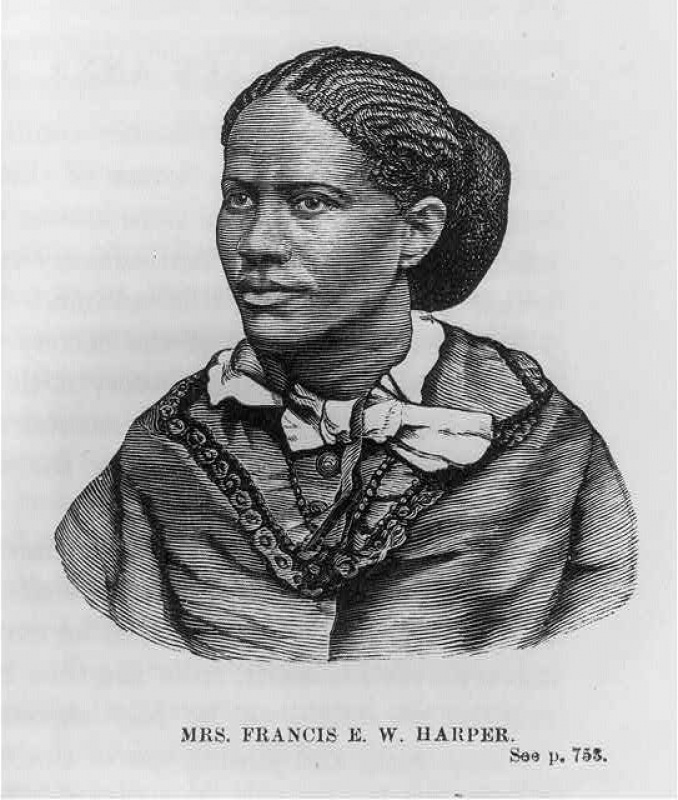
Frances Ellen Watkins Harper
Author · 3 books

Born to free parents in Baltimore, Maryland. After her mother died when she was three years old in 1828, Watkins was orphaned. She was raised by her aunt and uncle. She was educated at the Academy for Negro Youth, a school run by her uncle Rev. William Watkins, who was a civil rights activist. He was a major influence on her life and work. At fourteen, she found work as a seamstress. Frances Watkins had her first volume of verse, Forest Leaves, published in 1845 (it has been lost). Her second book, Poems on Miscellaneous Subjects, published in 1854, was extremely popular. Over the next few years, it was reprinted in 20 editions. Many African American women's service clubs named themselves in her honor, and across the nation, in cities such as St. Louis, St. Paul, and Pittsburgh, F. E. W. Harper Leagues and Frances E. Harper Women's Christian Temperance Unions thrived well into the twentieth century. In 1850, Watkins moved to Ohio, where she worked as the first woman teacher at Union Seminary, established by the Ohio Conference of the AME Church. (Union closed in 1863 when the AME Church diverted its funds to purchase Wilberforce University.) The school in Wilberforce was run by the Rev. John Brown (not the same as the abolitionist). In 1853, Watkins joined the American Anti-Slavery Society and became a traveling lecturer for the group. In 1854, Watkins delivered her first anti-slavery speech on “Education and the Elevation of Colored Race”. The success of this speech resulted a two-year lecture tour in Maine for the Anti-Slavery Society. She traveled, lecturing throughout the East and Midwest from 1856 to 1860. In 1859, her story “The Two Offers” was published in the Anglo-African Magazine, a great accomplishment as it became the first short story to ever be published by an African American. In 1860, she married Fenton Harper, a widower with three children. They had a daughter together in 1862. For a time Frances withdrew from the lecture circuit. However, after her husband Fenton died in 1864, Watkins returned to her travels and lecturing. Frances Harper was a strong supporter of prohibition and woman's suffrage. She was also active in the Unitarian Church, which supported abolition. She often would read her poetry at the public meetings, including the extremely popular Bury Me in a Free Land. She was connected with national leaders in suffrage, and in 1866 gave a moving speech before the National Women's Rights Convention, demanding equal rights for all, including black women. Watkins was very involved in black organizations. From 1883 to 1890, she helped organize activities for the National Woman’s Christian temperance Union. She also continued with her writing and continued to publish poetry. In 1892 she published Iola Leroy, or Shadows Uplifted. One of the first novels by an African-American woman, it sold well and was reviewed widely. Harper continued with her political activism. She helped organize the National Association of Colored Women in 1896, and was later elected vice president in 1897.

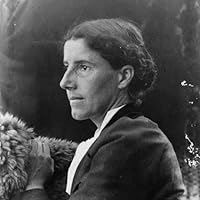
Charlotte Perkins Gilman
Author · 69 books

Charlotte Perkins Gilman, also known as Charlotte Perkins Stetson, was a prominent American sociologist, novelist, writer of short stories, poetry, and nonfiction, and a lecturer for social reform. She was a utopian feminist during a time when her accomplishments were exceptional for women, and she served as a role model for future generations of feminists because of her unorthodox concepts and lifestyle. Her best remembered work today is her semi-autobiographical short story, "The Yellow Wallpaper", which she wrote after a severe bout of post-partum depression. She was the daughter of Frederic B. Perkins.

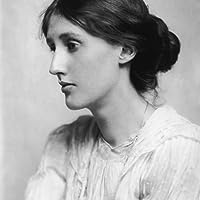
Virginia Woolf
Virginia Woolf
Author · 219 books

(Adeline) Virginia Woolf was an English novelist and essayist regarded as one of the foremost modernist literary figures of the twentieth century. During the interwar period, Woolf was a significant figure in London literary society and a member of the Bloomsbury Group. Her most famous works include the novels Mrs. Dalloway (1925), To the Lighthouse (1927), and Orlando (1928), and the book-length essay A Room of One's Own (1929) with its famous dictum, "a woman must have money and a room of her own if she is to write fiction."

Kate Chopin
Kate Chopin
Author · 69 books

Kate Chopin was an American novelist and short-story writer best known for her startling 1899 novel, The Awakening. Born in St. Louis, she moved to New Orleans after marrying Oscar Chopin in 1870. Less than a decade later Oscar's cotton business fell on hard times and they moved to his family's plantation in the Natchitoches Parish of northwestern Louisiana. Oscar died in 1882 and Kate was suddenly a young widow with six children. She turned to writing and published her first poem in 1889. The Awakening, considered Chopin's masterpiece, was subject to harsh criticism at the time for its frank approach to sexual themes. It was rediscovered in the 1960s and has since become a standard of American literature, appreciated for its sophistication and artistry. Chopin's short stories of Cajun and Creole life are collected in Bayou Folk (1894) and A Night in Acadie (1897), and include "Desiree's Baby," "The Story of an Hour" and "The Storm." Some biographers cite 1850 as Chopin's birth year.

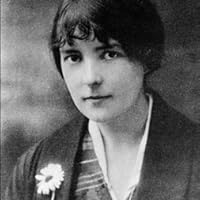
Katherine Mansfield
Katherine Mansfield
Author · 97 books

Kathleen Mansfield Murry (née Beauchamp) was a prominent New Zealand modernist writer of short fiction who wrote under the pen name of Katherine Mansfield. Katherine Mansfield is widely considered one of the best short story writers of her period. A number of her works, including "Miss Brill", "Prelude", "The Garden Party", "The Doll's House", and later works such as "The Fly", are frequently collected in short story anthologies. Mansfield also proved ahead of her time in her adoration of Russian playwright and short story writer Anton Chekhov, and incorporated some of his themes and techniques into her writing. Katherine Mansfield was part of a "new dawn" in English literature with T.S. Eliot, James Joyce and Virginia Woolf. She was associated with the brilliant group of writers who made the London of the period the centre of the literary world. Nevertheless, Mansfield was a New Zealand writer - she could not have written as she did had she not gone to live in England and France, but she could not have done her best work if she had not had firm roots in her native land. She used her memories in her writing from the beginning, people, the places, even the colloquial speech of the country form the fabric of much of her best work. Mansfield's stories were the first of significance in English to be written without a conventional plot. Supplanting the strictly structured plots of her predecessors in the genre (Edgar Allan Poe, Rudyard Kipling, H. G. Wells), Mansfield concentrated on one moment, a crisis or a turning point, rather than on a sequence of events. The plot is secondary to mood and characters. The stories are innovative in many other ways. They feature simple things - a doll's house or a charwoman. Her imagery, frequently from nature, flowers, wind and colours, set the scene with which readers can identify easily. Themes too are universal: human isolation, the questioning of traditional roles of men and women in society, the conflict between love and disillusionment, idealism and reality, beauty and ugliness, joy and suffering, and the inevitability of these paradoxes. Oblique narration (influenced by Chekhov but certainly developed by Mansfield) includes the use of symbolism - the doll's house lamp, the fly, the pear tree - hinting at the hidden layers of meaning. Suggestion and implication replace direct detail.

Susan Glaspell
Susan Glaspell
Author · 16 books

Susan Keating Glaspell (July 1, 1876 – July 27, 1948) was an American Pulitzer Prize-winning playwright, actress, director, novelist, biographer and poet. She was a founding member of the Provincetown Players, one of the most important collaboratives in the development of modern drama in the United States. She also served in the Works Progress Administration as Midwest Bureau Director of the Federal Theater Project. Her novels and plays are committed to developing deep, sympathetic characters, to understanding 'life' in its complexity. Though realism was the medium of her fiction, she was also greatly interested in philosophy and religion. Many of her characters make principled stands. As part of the Provincetown Players, she arranged for the first ever reading of a play by Eugene O'Neill.

Edith Wharton
Edith Wharton
Author · 156 books

Edith Newbold Jones was born into such wealth and privilege that her family inspired the phrase "keeping up with the Joneses." The youngest of three children, Edith spent her early years touring Europe with her parents and, upon the family's return to the United States, enjoyed a privileged childhood in New York and Newport, Rhode Island. Edith's creativity and talent soon became obvious: By the age of eighteen she had written a novella, (as well as witty reviews of it) and published poetry in the Atlantic Monthly. After a failed engagement, Edith married a wealthy sportsman, Edward Wharton. Despite similar backgrounds and a shared taste for travel, the marriage was not a success. Many of Wharton's novels chronicle unhappy marriages, in which the demands of love and vocation often conflict with the expectations of society. Wharton's first major novel, The House of Mirth, published in 1905, enjoyed considerable literary success. Ethan Frome appeared six years later, solidifying Wharton's reputation as an important novelist. Often in the company of her close friend, Henry James, Wharton mingled with some of the most famous writers and artists of the day, including F. Scott Fitzgerald, André Gide, Sinclair Lewis, Jean Cocteau, and Jack London. In 1913 Edith divorced Edward. She lived mostly in France for the remainder of her life. When World War I broke out, she organized hostels for refugees, worked as a fund-raiser, and wrote for American publications from battlefield frontlines. She was awarded the French Legion of Honor for her courage and distinguished work. The Age of Innocence, a novel about New York in the 1870s, earned Wharton the Pulitzer Prize for fiction in 1921 — the first time the award had been bestowed upon a woman. Wharton traveled throughout Europe to encourage young authors. She also continued to write, lying in her bed every morning, as she had always done, dropping each newly penned page on the floor to be collected and arranged when she was finished. Wharton suffered a stroke and died on August 11, 1937. She is buried in the American Cemetery in Versailles, France.

  • Barnesandnoble.com
E. Nesbit
E. Nesbit
Author · 96 books

Edith Nesbit (married name Edith Bland; 15 August 1858 – 4 May 1924) was an English author and poet; she published her books for children under the name of E. Nesbit. She wrote or collaborated on over 60 books of fiction for children, several of which have been adapted for film and television. She was also a political activist and co-founded the Fabian Society, a socialist organisation later connected to the Labour Party. Edith Nesbit was born in Kennington, Surrey, the daughter of agricultural chemist and schoolmaster John Collis Nesbit. The death of her father when she was four and the continuing ill health of her sister meant that Nesbit had a transitory childhood, her family moving across Europe in search of healthy climates only to return to England for financial reasons. Nesbit therefore spent her childhood attaining an education from whatever sources were available—local grammars, the occasional boarding school but mainly through reading. At 17 her family finally settled in London and aged 19, Nesbit met Hubert Bland, a political activist and writer. They became lovers and when Nesbit found she was pregnant they became engaged, marrying in April 1880. After this scandalous (for Victorian society) beginning, the marriage would be an unconventional one. Initially, the couple lived separately—Nesbit with her family and Bland with his mother and her live-in companion Maggie Doran. Initially, Edith Nesbit books were novels meant for adults, including The Prophet's Mantle (1885) and The Marden Mystery (1896) about the early days of the socialist movement. Written under the pen name of her third child 'Fabian Bland', these books were not successful. Nesbit generated an income for the family by lecturing around the country on socialism and through her journalism (she was editor of the Fabian Society's journal, Today). In 1899 she had published The Adventures of the Treasure Seekers to great acclaim.

548 Market St PMB 65688, San Francisco California 94104-5401 USA
© 2025 Paratext Inc. All rights reserved