Margins




548 Market St PMB 65688, San Francisco California 94104-5401 USA
© 2026 Paratext Inc. All rights reserved
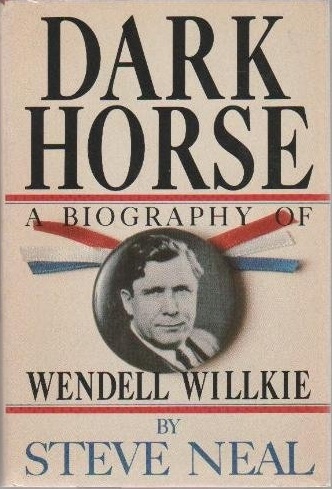
It was one of the most meteoric rises in American political history. With his train fare borrowed from several reporters, Wendell L. Willkie embarked for the 1940 Republican National Convention as a long-shot candidate for the presidency. Willkie confided that he did not have a campaign manager and that his headquarters were under his hat. On the eve of the Philadelphia convention, Hitler's armies conquered France and the Low Countries. For months, Willkie had been alerting Americans to their vulnerability to a fascist-controlled Europe. The leading contenders for the GOP nomination argued that the world war should not concern this country. But it did, and as the galleries chanted, "We want Willkie," the lifelong Democrat became the nominee of his adopted party. Although FDR feared Willkie as a political opponent, he described his nomination, he described his nomination as a godsend for its contribution to national unity. Willkie is best remembered as FDR's opponent, and it is as a dauntless campaigner that Steve Neal shows Willkie achieving national prominence. While defeated for the presidency, Willkie grew in stature, becoming an international figure as FDR's special envoy during World War II and as the spokesman of the One World philosophy that influenced U.S. foreign policy for a generation. Industrialist, presidential candidate, foreign emissary, bestselling author, and civil libertarian, Willkie brought a special and iconoclastic distinction to each of his careers. He was a man of compelling energy and driving force. Drawing on Willkie's private papers and recently declassified materials as well as interviews with his contemporaries, Steve Neal has written an illuminating portrait of a largely forgotten—and important—American hero.