Margins




548 Market St PMB 65688, San Francisco California 94104-5401 USA
© 2026 Paratext Inc. All rights reserved
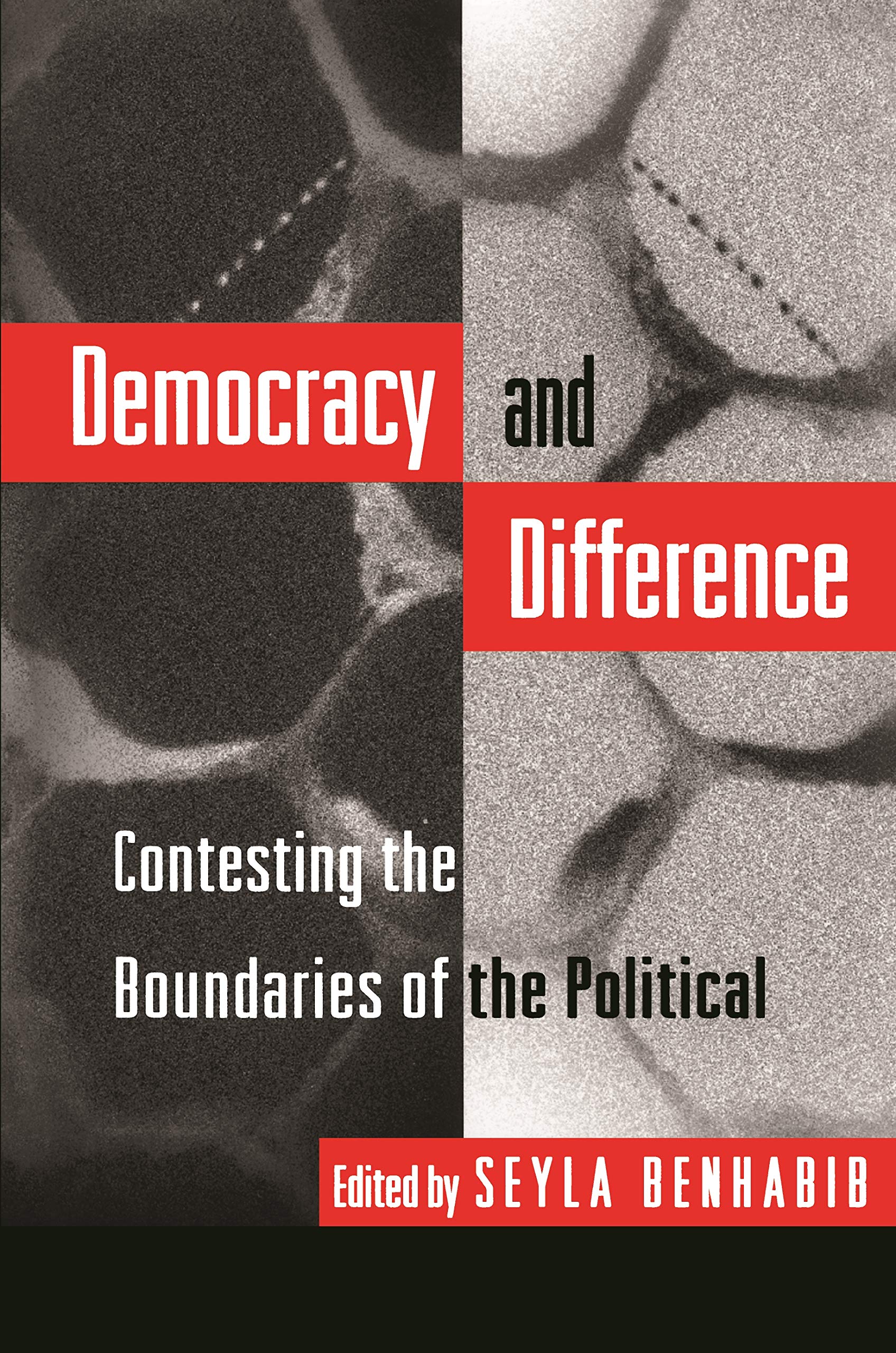
The global trend toward democratization of the last two decades has been accompanied by the resurgence of various politics of identity/difference. From nationalist and ethnic revivals in the countries of east and central Europe to the former Soviet Union, to the politics of cultural separatism in Canada, and to social movement politics in liberal western-democracies, the negotiation of identity/difference has become a challenge to democracies everywhere. This volume brings together a group of distinguished thinkers who rearticulate and reconsider the foundations of democratic theory and practice in the light of the politics of identity/difference. In Part One J�rgen Habermas, Sheldon S. Wolin, Jane Mansbridge, Seyla Benhabib, Joshua Cohen, and Iris Marion Young write on democratic theory. Part Two—on equality, difference, and public representation—contains essays by Anne Phillips, Will Kymlicka, Carol C. Gould, Jean L. Cohen, and Nancy Fraser; and Part Three—on culture, identity, and democracy—by Chantal Mouffe, Bonnie Honig, Fred Dallmayr, Joan B. Landes, and Carlos A. Forment. In the last section Richard Rorty, Robert A. Dahl, Amy Gutmann, and Benjamin R. Barber write on whether democracy needs philosophical foundations.