Margins
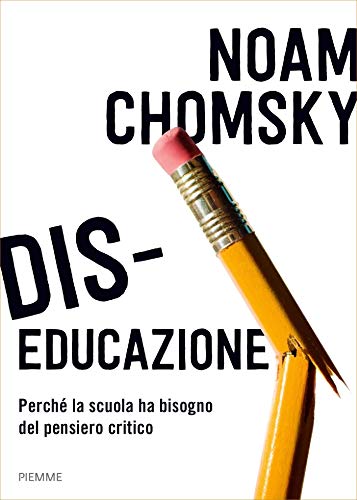
Dis-educazione book cover
Dis-educazione
2019
First Published
3.00
Average Rating
233
Number of Pages
Nonostante sia diffusa l'idea che nelle scuole statunitensi, come in quelle dei Paesi occidentali, si insegnino i valori democratici, ci troviamo di fronte un modello di insegnamento che non solo non incoraggia, ma impedisce di sviluppare il pensiero critico e indipendente, di ragionare liberamente su ciò che si nasconde dietro la rappresentazione del mondo offerta dal potere. Di rado è consentito agli studenti di «trovare da soli la verità», mostrando loro come farlo. Più spesso ci si aspetta che i ragazzi imparino attraverso un trasferimento di conoscenze: un approccio strumentale all'istruzione, la cui efficacia è misurata da esami che prevedono risposte corrette e risposte errate, predeterminate secondo i criteri stabiliti dalla cultura dominante. Le scuole non sono dunque luoghi democratici, ma istituzioni che svolgono un ruolo di controllo e di coercizione. In questa illuminante raccolta di saggi, Noam Chomsky rivela, con una serie documentata e puntuale di esempi tratti dalla storia recente, come gli Stati Uniti siano riusciti a rivendicare continuamente la loro superiorità morale proprio allontanando gli osservatori e i cittadini da una comprensione critica e globale degli eventi. E con la nota passione che da cinquant'anni sostiene le sue ricerche sui sistemi di potere e la sua competenza di studioso della comunicazione, fornisce gli strumenti utili a fare di studenti e insegnanti degli «agenti della storia» alla costante ricerca della verità, per rendere questo mondo meno discriminatorio e più giusto.

Avg Rating
3.00
Number of Ratings
16
5 STARS
13%
4 STARS
6%
3 STARS
56%
2 STARS
19%
1 STARS
6%
goodreads

Author

Noam Chomsky
Noam Chomsky
Author · 166 books

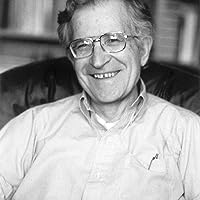
Avram Noam Chomsky is an American linguist, philosopher, political activist, author, and lecturer. He is an Institute Professor and professor emeritus of linguistics at the Massachusetts Institute of Technology. Chomsky is credited with the creation of the theory of generative grammar, considered to be one of the most significant contributions to the field of linguistics made in the 20th century. He also helped spark the cognitive revolution in psychology through his review of B. F. Skinner's Verbal Behavior, in which he challenged the behaviorist approach to the study of behavior and language dominant in the 1950s. His naturalistic approach to the study of language has affected the philosophy of language and mind. He is also credited with the establishment of the Chomsky hierarchy, a classification of formal languages in terms of their generative power. Beginning with his critique of the Vietnam War in the 1960s, Chomsky has become more widely known for his media criticism and political activism, and for his criticism of the foreign policy of the United States and other governments. According to the Arts and Humanities Citation Index in 1992, Chomsky was cited as a source more often than any other living scholar during the 1980–1992 time period, and was the eighth-most cited scholar in any time period.

548 Market St PMB 65688, San Francisco California 94104-5401 USA
© 2026 Paratext Inc. All rights reserved