Discourse
Series · 5 books · 2020-2023
Books in series

#1
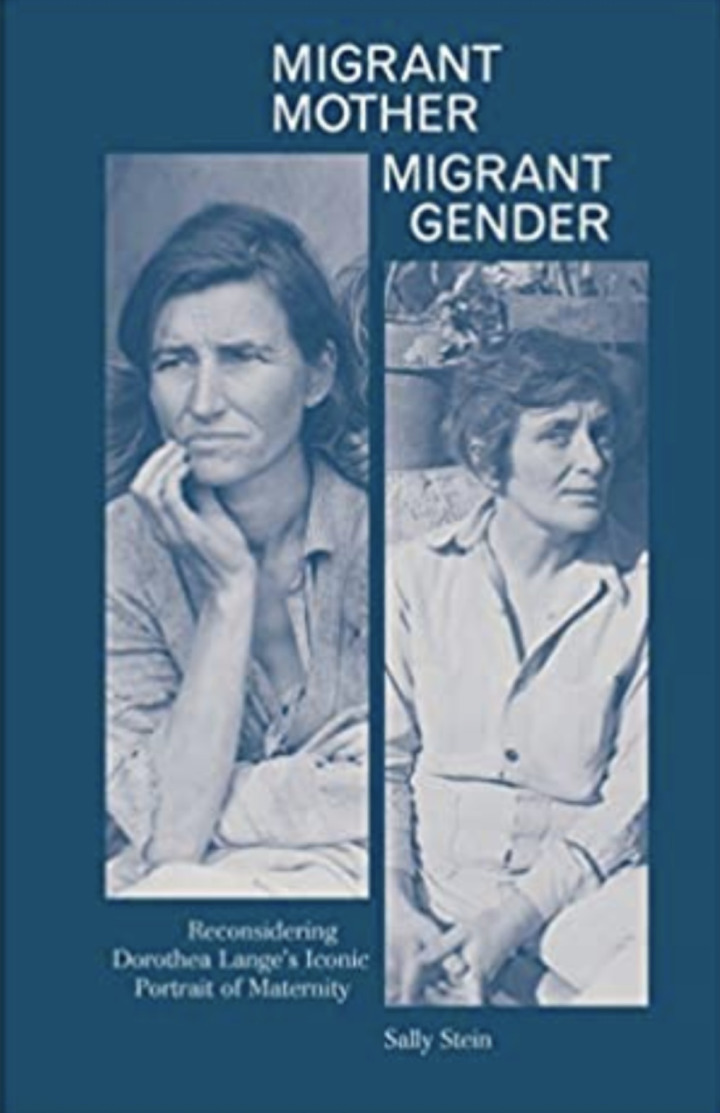
Migrant Mother, Migrant Gender
2020
Sally Stein reconsiders Dorothea Lange’s iconic portrait of maternity and modern emblem of family values in light of Lange’s long-overlooked ‘Padonna’ pictures and proposes that ‘Migrant Mother’ should in fact be seen as a disruptive image of women’s conflictual relation to home, and the world. Stein is an American academic and cultural theorist living in Los Angeles. The interrelated topics she most often engages concern the multiple effects of documentary imagery, the politics of gender, and the status and meaning of black and white and color imagery on our perceptions, beliefs, even actions as consumers and citizens.

#5
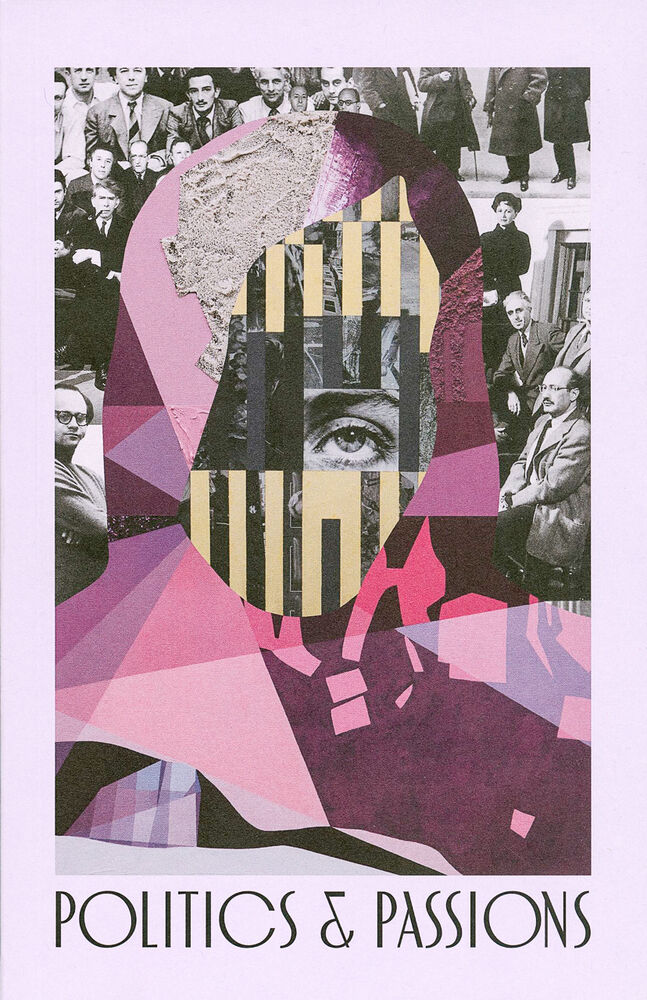
Politics and Passions
2021
In 2009, the artist Anna Ostoya created a booklet with textual collages using an essay by the political theorist Chantal Mouffe, ‘Politics and Passions: The Stakes of Democracy’ (2002). In the essay, Mouffe critiqued the then-dominant ‘beyond left and right’ politics of neoliberalism and warned of its dangers – the rise of right-wing populist parties. Fascinated by Mouffe’s strikingly prophetic ideas, as well as her bold call to fight the status quo in order to radicalise democracy and to prevent violence, Ostoya returned to the booklet in 2019. She composed for it a series of portraits based on sketches of people on the New York City subway and on reproductions of her paintings and collages from the preceding decade. She also conducted a conversation with Mouffe about the politics of the last forty years, about the contemporary moment and about art, which is included in this publication.

#6
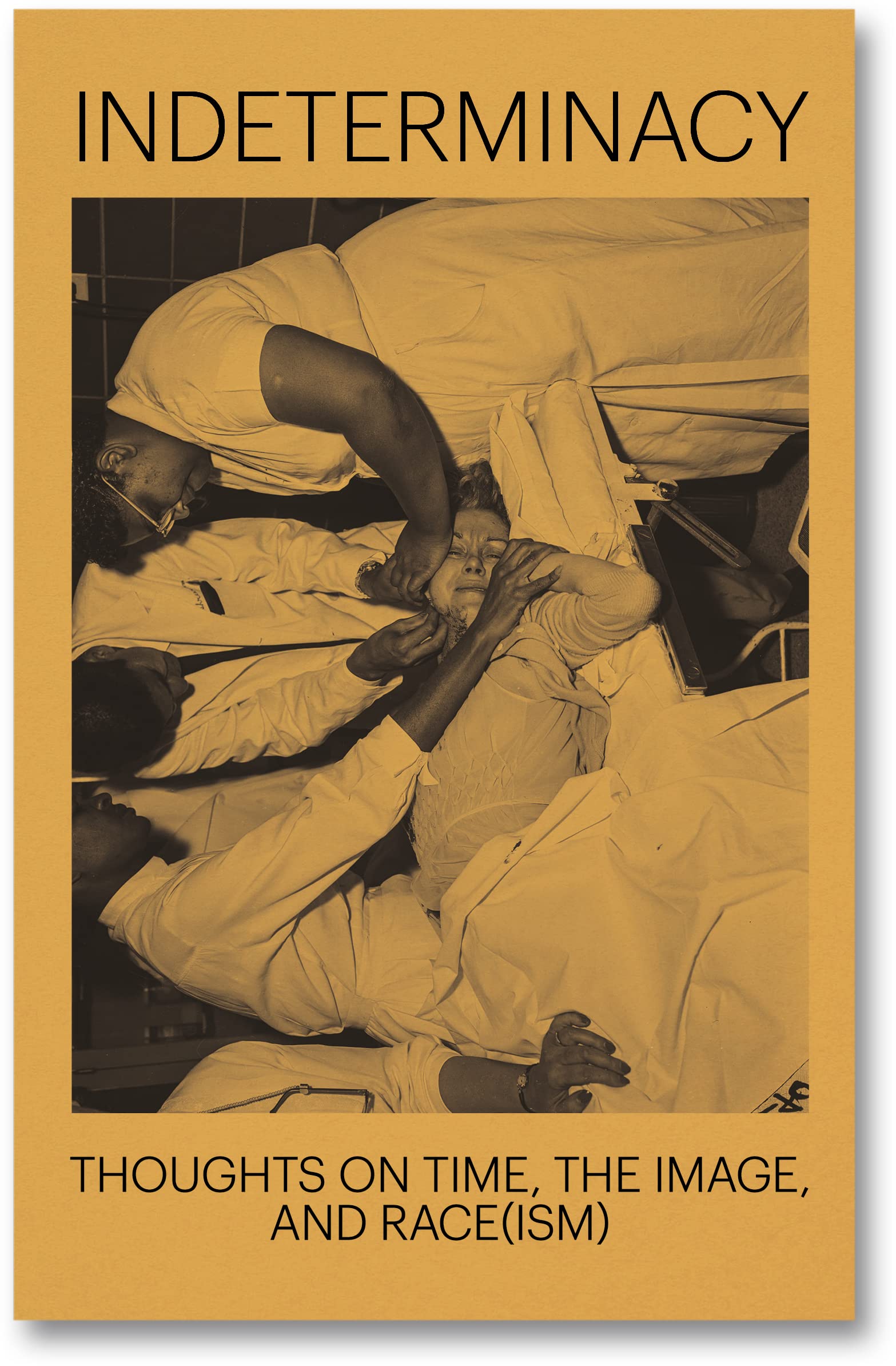
Indeterminacy
Thoughts on Time, the Image, and Race
2023

#7
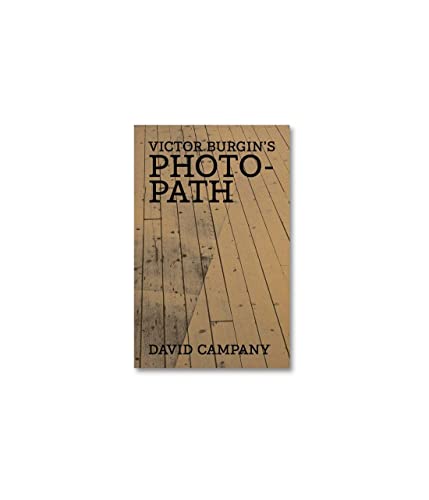
Victor Burgin's Photopath
2022
‘A path along the floor, of proportions 1x21 units, photographed. Photographs printed actual size of objects and prints attached to the floor so that images are perfectly congruent with their objects.’ With these words of instruction, typed on a humble card in 1967, Victor Burgin conceived one of the most profound and remarkable works of photographic art. Each time it was exhibited, it had to be made anew, unique to its setting. Embracing Minimal and Conceptual art, performance and site-specific installation, there is no other artwork like Photopath. In his characteristically analytical and associative manner, writer and curator David Campany takes the reader through the history and implications of Photopath, and their place in the breadth of Victor Burgin’s art and theoretical writings.

#8
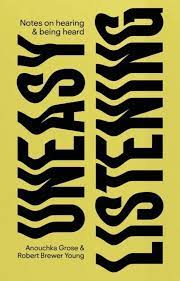
Uneasy Listening
Notes on Hearing and Being Heard
2022
What makes a good listener? There are a number of commonsensical ideas about what constitutes doing it well—patience, tolerance, availability, responsiveness, lack of moral judgement—but is it really so simple? Is it a skill one can easily learn or more of a quirk or talent? And why do some people seem to be so much better at it than others?
Written by a psychoanalyst and a violin maker, Uneasy Listening is a dialogue between two very different kinds of professional listener: the former working with speech, the latter with musical instruments. Beginning as total strangers, Anouchka Grose and Robert Brewer Young embark on an engaging, entertaining, and winding meditation on communication that weaves together wide-ranging references from across psychoanalytic theory, philosophy, contemporary politics and culture. As they discuss the differences, similarities, and resonances between their practices, they run up against some of the illuminating difficulties of dialogue itself. The result is a kind of awkward duet in which two thinkers and practitioners accommodate, interrupt, and perplex each other in an attempt to say something about what listening means.

Authors

Chantal Mouffe
Author · 12 books
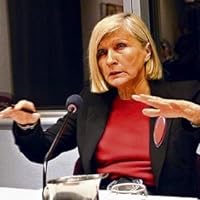
Chantal Mouffe is a Belgian political theorist. She holds a professorship at the University of Westminster in the United Kingdom. She is best known as co-author of Hegemony and Socialist Strategy with Ernesto Laclau. Their thoughts are usually described as post-Marxism as they were both politically active in the social and student movements of the 1960s including working class and new social movements (notably second-wave feminism in Mouffe's case). They rejected Marxist economic determinism and the notion of class struggle being the single crucial antagonism in society. Instead they urged for radical democracy of agonistic pluralism where all antagonisms could be expressed. In their opinion, ‘...there is no possibility of society without antagonism’; indeed, without the forces that articulate a vision of society, it could not exist.