Margins




548 Market St PMB 65688, San Francisco California 94104-5401 USA
© 2026 Paratext Inc. All rights reserved
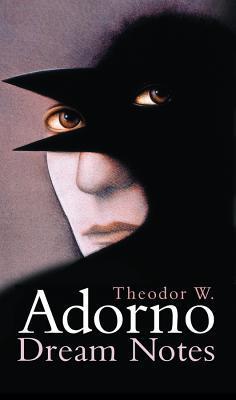
Dreams are as black as death. —Theodor W. Adorno Adorno was fascinated by his dreams and wrote them down throughout his life. He envisaged publishing a collection of them although in the event no more than a few appeared in his lifetime. Dream Notes offers a selection of Adornos writings on dreams that span the last twenty-five years of his life. Readers of Adorno who are accustomed to high-powered reflections on philosophy, music and culture may well find them disconcerting: they provide an amazingly frank and uninhibited account of his inner desires, guilt feelings and anxieties. Brothel scenes, torture and executions figure prominently. They are presented straightforwardly, at face value. No attempt is made to interpret them, to relate them to the events of his life, to psychoanalyse them, or to establish any connections with the principal themes of his philosophy. Are they fiction, autobiography or an attempt to capture a pre-rational, quasi-mythic state of consciousness? No clear answer can be given. Taken together they provide a highly consistent picture of a dimension of experience that is normally ignored, one that rounds out and deepens our knowledge of Adorno while retaining something of the enigmatic quality that energized his own thought.