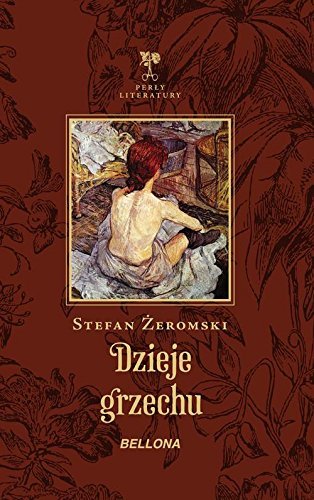



Dzieje grzechu to dramatyczna historia młodej dziewczyny z dobrego domu, która pod wpływem miłości łamie wszystkie wpojone jej zasady. Główna bohaterka, Ewa, zakochuje się w wynajmującym pokój w domu jej matki, Łukaszu. Okazuje się jednak, że mężczyzna jest żonaty i nie mogąc uzyskać rozwodu – zostawia dziewczynę. Ona mimo wszystko postanawia go odnaleźć… Dzieje grzechu od razu wywołały sprzeczne oceny. Krytyka zaskoczona tematyką utworu dopatrywała się dewiacji znakomitego talentu, podejrzewano pisarza o erotomanię lub histerię, uważano, że utwór jest pozbawiony sensu i idei. Wszystkie te reakcje wywołało pierwsze tak odważne w polskiej literaturze ukazanie tematyki seksualnej. Warto przekonać się, co było przyczyną tak skrajnych emocji.
Author

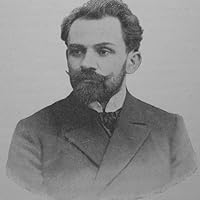
Stefan Żeromski ( [ˈstɛfan ʐɛˈrɔmski] Strawczyn near Kielce, October 14, 1864 – November 20, 1925, Warsaw) was a Polish novelist and dramatist. He was called the "conscience of Polish literature". He also wrote under the pen names: Maurycy Zych, Józef Katerla and Stefan Iksmoreż. In 1892–96 Żeromski worked as a librarian—during the last two years, as the librarian—at the Polish National Museum in Rapperswil, Switzerland. In recognition of his literary achievements, he was granted the privilege of using an apartment at the Royal Castle in Warsaw. In 1924 he was shortlisted for the Nobel Prize in literature.[2] His novel were filmed by Walerian Borowczyk - Dzieje grzechu (A Story of Sin), Andrzej Wajda - Popioły (The Ashes), Filip Bajon - Przedwiośnie (The Spring to Come). * The Spring to Come (Przedwiośnie) * The Labors of Sisyphus (Syzyfowe prace), about 19th- and 20th-century Tsarist efforts to Russify the Russian-occupied part of Poland. * Ashes (Popioły, 1902 – 03) * The Faithful River (Wierna rzeka, 1912) * Ravens and Crows Will Peck Us to Pieces (Rozdziobią nas kruki, wrony) * Homeless People (Ludzie bezdomni, 1899) * A Story of Sin (Dzieje grzechu) * Elegy for a Hetman (Duma o hetmanie) * Sułkowski * The Rose (Róża) * The Charm of Life (Uroda życia) * Struggles with Satan (Walka z szatanem) * Wind from the Sea (Wiatr od morza) * The Little Quail Ran Away From Me (Uciekła mi przepióreczka) His works have been translated into several languages. For example, they have been translated into Croatian by a member of the Croatian Academy, Stjepan Musulin.