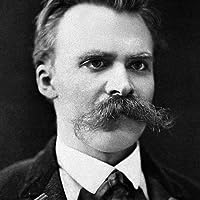
Ecce Homo is an autobiography like no other Deliberately provocative Nietzsche subverts the conventions of the genre and pushes his philosophical positions to combative extremes constructing a genius hero whose life is a chronicle of incessant self overcoming Written in 1888 a few weeks before his descent into madness the book sub titled How To Become What You Are passes under review all Nietzsche s previous works so that we his posthumous readers can finally understand him aright on his own terms He reaches final reckonings with his many enemies Richard Wagner German nationalism modern men in general and above all Christianity proclaiming himself the Antichrist Ecce Homo is the summation of an extraordinary philosophical career a last great testament to Nietzsche s will Book jacket In late 1888 only weeks before his final collapse into madness Nietzsche 1844 1900 set out to compose his autobiography and Ecce Homo remains one of the most intriguing yet bizarre examples of the genre ever written In this extraordinary work Nietzsche traces his life work and development as a philosopher examines the heroes he has identified with struggled against and then overcome Schopenhauer Wagner Socrates Christ and predicts the cataclysmic impact of his forthcoming revelation of all values Both self celebrating and self mocking penetrating and strange Ecce Homo gives the final definitive expression to Nietzsche s main beliefs and is in every way his last testament