Margins
Margins
Sign in
Margins
Subscribe to our newsletter
548 Market St PMB 65688, San Francisco California 94104-5401 USA
hello@margins.app
·
+1 (650) 223-5283
Privacy Policy
·
Terms of Use
© 2026 Paratext Inc. All rights reserved
📚 econ
📚
econ
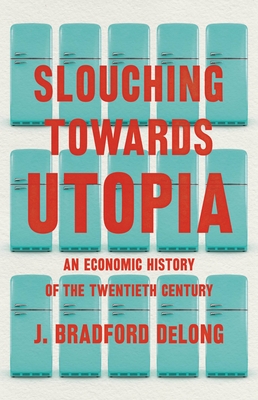
Slouching Towards Utopia
An Economic History of the Twentieth Century
J. Bradford DeLong
An instant New York Times and Wall Street Journal bestseller from one of the world’s leading economists, offering a grand narrative of the century that made us richer than ever, but left us unsatisfied “A magisterial history.”—Paul Krugman Named a Best Book of 2022 by Financial Times \
Economist \
Fast Company Before 1870, humanity lived in dire poverty, with a slow crawl of invention offset by a growing population. Then came a great invention sprinted forward, doubling our technological capabilities each generation and utterly transforming the economy again and again. Our ancestors would have presumed we would have used such powers to build utopia. But it was not so. When 1870–2010 ended, the world instead saw global warming; economic depression, uncertainty, and inequality; and broad rejection of the status quo. Economist Brad DeLong’s Slouching Towards Utopia tells the story of how this unprecedented explosion of material wealth occurred, how it transformed the globe, and why it failed to deliver us to utopia. Of remarkable breadth and ambition, it reveals the last century to have been less a march of progress than a slouch in the right direction.
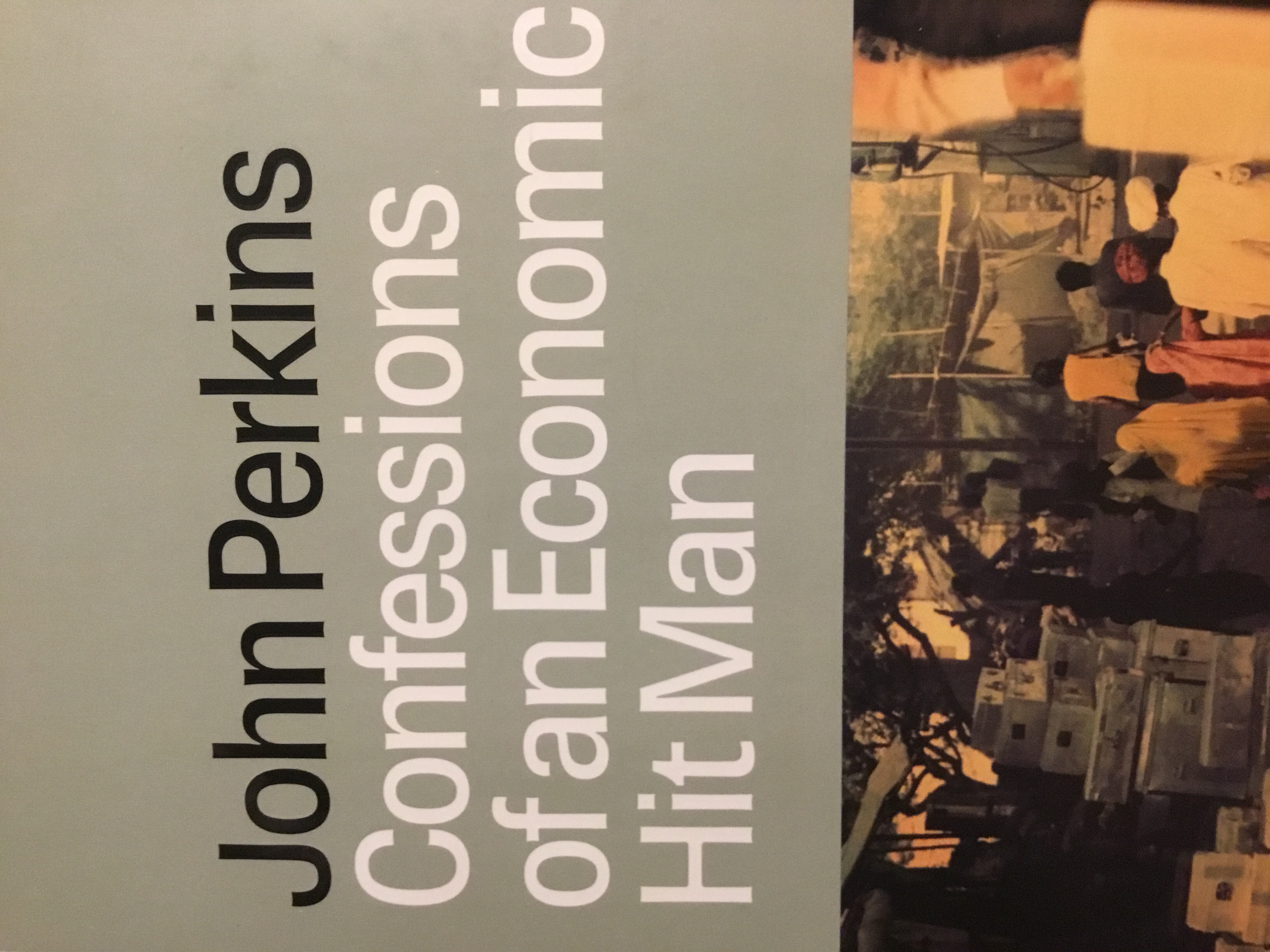
Confessions of an Economic Hit Man
2004
John Perkins
"Economic hit men,” John Perkins writes, “are highly paid professionals who cheat countries around the globe out of trillions of dollars. Their tools include fraudulent financial reports, rigged elections, payoffs, extortion, sex, and murder.” John Perkins should know—he was an economic hit man. His job was to convince countries that are strategically important to the U.S.—from Indonesia to Panama—to accept enormous loans for infrastructure development, and to make sure that the lucrative projects were contracted to U. S. corporations. Saddled with huge debts, these countries came under the control of the United States government, World Bank and other U.S.-dominated aid agencies that acted like loan sharks—dictating repayment terms and bullying foreign governments into submission. This New York Times bestseller exposes international intrigue, corruption, and little-known government and corporate activities that have dire consequences for American democracy and the world. It is a compelling story that also offers hope and a vision for realizing the American dream of a just and compassionate world that will bring us greater security.