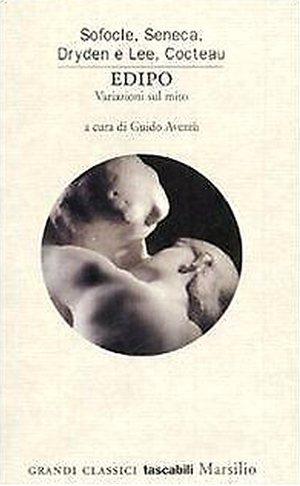



Contiene: Edipo re / Sofocle. Edipo / Seneca. Edipo / John Dryden, Nathaniel Lee. La macchina infernale / Jean Cocteau Edipo, figlio di Laio, ha attraversato i secoli dell'immaginario occidentale, presenza ingombrante e scomoda che la psicoanalisi freudiana ha contribuito a rafforzare con straordinaria potenza. Di questa lunga storia letteraria sono stati scelti, per accompagnare in questa "variazione" la tragedia fondante di Sofocle, i testi di Seneca, quello di Dryden e Lee, scritto nel 1678 e qui tradotto per la prima volta in lingua italiana, e infine quello di Cocteau. La dura, incalzante indagine sofoclea consegna alla cultura occidentale l'archetipo del soggetto che si interroga su se stesso e che, accecandosi, punisce l'organo della conoscenza che tante imprese gli ha consentito, ma non quella di vedersi davvero e di conoscere la propria storia. In Seneca il racconto si trasforma in un'acuta interpretazione psicologica. Tutto quel passato che l'Edipo di Sofocle sembrava aver rimosso è presente invece fin dall'inizio e corrode l'animo del re al punto che la verità, pur atroce, giunge a lui come una liberazione dalla cupa angoscia che lo opprime. Con Dryden il rapporto tra Edipo e Giocasta, da sempre sottinteso nei suoi risvolti privati, viene alla luce sotto il segno dell'eros che spinge madre e figlio l'uno verso l'altra, irresistibilmente, in un movimento alterno di attrazione e ripulsa. E Giocasta domina anche nella pièce di Cocteau, Giocasta che supera la morte e che si affianca ad Antigone per accompagnare e proteggere Edipo sulla via dell'esilio.
Authors

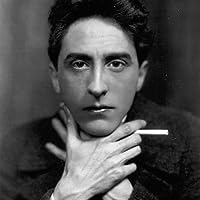
Jean Maurice Eugène Clément Cocteau (5 July 1889 – 11 October 1963) was a French poet, novelist, dramatist, designer, boxing manager, playwright and filmmaker. Along with other Surrealists of his generation (Jean Anouilh and René Char for example) Cocteau grappled with the "algebra" of verbal codes old and new, mise en scène language and technologies of modernism to create a paradox: a classical avant-garde. His circle of associates, friends and lovers included Jean Marais, Henri Bernstein, Colette, Édith Piaf, whom he cast in one of his one act plays entitled Le Bel Indifferent in 1940, and Raymond Radiguet. His work was played out in the theatrical world of the Grands Theatres, the Boulevards and beyond during the Parisian epoque he both lived through and helped define and create. His versatile, unconventional approach and enormous output brought him international acclaim.
English dramatist, born circa 1653 https://en.wikipedia.org/wiki/Nathani...

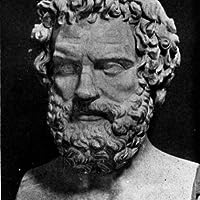
Sophocles (born c. 496 bc, Colonus, near Athens [Greece]—died 406, Athens), (Greek: Σοφοκλής ; German editions: Sophokles , Russian: Софокл , French editions: Sophocle ) was an ancient Greek tragedy playwright. Not many things are known about his life other than that he was wealthy, well educated and wrote about one hundred and twenty three plays (of which few are extant). One of his best known plays is 'Oedipus the King' (Oedipus Rex).

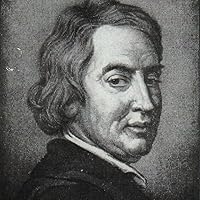
Librarian Note: There is more than one author in the GoodReads database with this name. See this thread for more information. John Dryden (19 August [O.S. 9 August] 1631 – 12 May [O.S. 1 May] 1700) was an English poet, literary critic, translator, and playwright who was made Poet Laureate in 1668. He is seen as dominating the literary life of Restoration England to such a point that the period came to be known in literary circles as the Age of Dryden. Walter Scott called him "Glorious John."