Margins
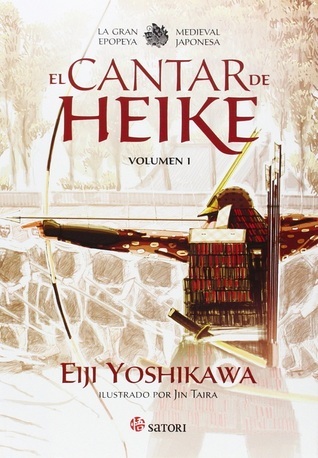
El cantar de Heike book cover
El cantar de Heike
2014
First Published
3.94
Average Rating
368
Number of Pages
Los más poderosos clanes de samuráis, los Heike y los Genji, mantienen una encarnizada lucha por el poder en el turbulento Japón del siglo XII. Una épica historia de ambición y heroísmo, de traiciones y pasiones que narra el fulgurante ascenso de la familia Heike y su trágico final. Fieros samuráis, taimados cortesanos, damas intrigantes, monjes guerreros y niños emperadores… personajes inolvidables que cautivan la imaginación del lector y desfilan por las páginas de la obra cumbre de Eiji Yoshikawa. En la capital imperial, Kioto, la lucha por el poder ha comenzado. El sistema de doble corte, con el poderoso emperador retirado Toba en un lado y el vengativo emperador Sutoku al otro, provoca un estado de confusión e intrigas palaciegas donde los cortesanos buscan apoyos, urden traiciones y gobiernan con astucia. Dos clanes de samuráis, los Heike y los Genji, se perfilan como los dos ejes militares sobre los que oscilará el poder. Una versión moderna del clásico de la literatura medieval "Heike Monogatari".

Avg Rating
3.94
Number of Ratings
68
5 STARS
25%
4 STARS
49%
3 STARS
22%
2 STARS
4%
1 STARS
0%
goodreads

Author

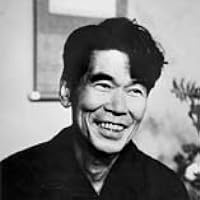
Eiji Yoshikawa
Eiji Yoshikawa
Author · 35 books

Pen-name of Yoshikawa Hidetsugu. Yoshikawa is well-known for his work as a Japanese historical fiction novelist, and a number of re-makes have been spawned off his work. In 1960, he received the Order of Cultural Merit. Eiji Yoshikawa (吉川 英治, August 11, 1892 – September 7, 1962) was a Japanese historical novelist. Among his best-known novels, most are revisions of older classics. He was mainly influenced by classics such as The Tale of the Heike, Tale of Genji, Outlaws of the Marsh, and Romance of the Three Kingdoms, many of which he retold in his own style. As an example, the original manuscript of Taiko is 15 volumes; Yoshikawa took up to retell it in a more accessible tone, and reduced it to only two volumes. His other books also serve similar purposes and, although most of his novels are not original works, he created a huge amount of work and a renewed interest in the past. He was awarded the Cultural Order of Merit in 1960 (the highest award for a man of letters in Japan), the Order of the Sacred Treasure and the Mainichi Art Award just before his death from cancer in 1962. He is cited as one of the best historical novelists in Japan.

548 Market St PMB 65688, San Francisco California 94104-5401 USA
© 2026 Paratext Inc. All rights reserved