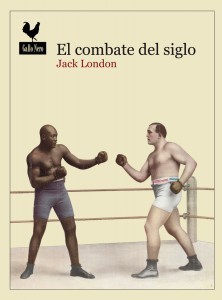



4 de julio de 1910. Reno, Nevada. Todo está listo: James J . Jeffries “la gran esperanza blanca” se enfrentará al primer campeón negro de la historia de los pesos pesados, Jack Johnson “el gigante de Galveston”. Jack London está en Reno cubriendo la noticia para el New York Herald, junto a él muchos otros periodistas de todo el mundo y miles de aficionados presenciarán el que será recordado como “El combate del siglo”. No fue solo un combate de boxeo, fue mucho más, en el cuadrilátero se enfrentaban todas las tensiones y las diferencias raciales de la América de principios de siglo. Los periódicos transformaron el combate en un enfrentamiento racial y desde sus columnas forzaron la vuelta al boxeo de Jeffries, campeón blanco que se había retirado invicto y que se vio obligado a volver para hacer justicia a la raza blanca.
Author

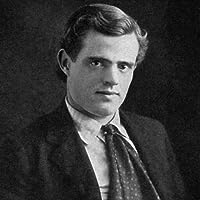
John Griffith Chaney (1876-1916), better known as Jack London, was an American novelist, journalist, and social activist. A pioneer of commercial fiction and American magazines, he was one of the first American authors to become an international celebrity and earn a large fortune from writing. He was also an innovator in the genre that would later become known as science fiction. His most famous works include The Call of the Wild and White Fang, both set in the Klondike Gold Rush, as well as the short stories, "To Build a Fire", "An Odyssey of the North", and "Love of Life". He also wrote about the South Pacific in stories such as "The Pearls of Parlay", and "The Heathen". London was part of the radical literary group, "The Crowd," in San Francisco and a passionate advocate of unionization, workers' rights, and socialism. He wrote several works dealing with these topics, such as his dystopian novel, The Iron Heel, his non-fiction exposé The People of the Abyss, War of the Classes, and Before Adam. London died November 22, 1916, in a sleeping porch in a cottage on his ranch. London's ashes were buried on his property, not far from the Wolf House. The grave is marked by a mossy boulder. The buildings and property were later preserved as Jack London State Historic Park, in Glen Ellen, California.