Margins
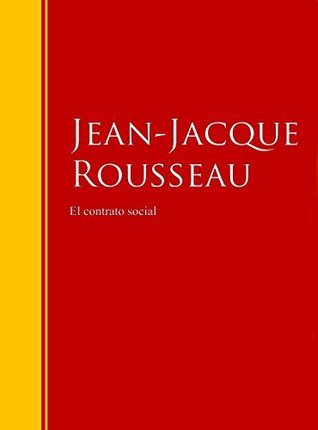
El contrato social book cover
El contrato social
Biblioteca de Grandes Escritores
2015
First Published
3.82
Average Rating
97
Number of Pages
Ebook con un sumario dinámico y El contrato o los principios del derecho político, más conocido como El contrato social, es un libro escrito por Jean-Jacques Rousseau y publicado en 1762. Es una obra sobre filosofía política y trata principalmente sobre la libertad e igualdad de los hombres bajo un Estado instituido por medio de un contrato social.Se dice que este libro fue uno de los muchos incitadores de la Revolución francesa por sus ideas políticas. Bajo la teoría del contrato social se fundamenta buena parte de la filosofía liberal, en especial el liberalismo clásico por su visión filosófica del individuo como fundamental, que luego decide vivir en sociedad por lo que necesita del Estado de Derecho que asegure las libertades para poder convivir. Así también se dice que en este libro se exponen lo que en el futuro serían los principios de la filosofía política socialista, en parte por el concepto de la voluntad general.

Avg Rating
3.82
Number of Ratings
11
5 STARS
18%
4 STARS
55%
3 STARS
18%
2 STARS
9%
1 STARS
0%
goodreads

Authors

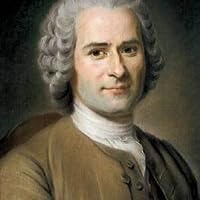
Jean-Jacques Rousseau
Author · 69 books

Swiss philosopher and writer Jean Jacques Rousseau held that society usually corrupts the essentially good individual; his works include The Social Contract and Émile (both 1762). This important figure in the history contributed to political and moral psychology and influenced later thinkers. Own firmly negative view saw the post-hoc rationalizers of self-interest, apologists for various forms of tyranny, as playing a role in the modern alienation from natural impulse of humanity to compassion. The concern to find a way of preserving human freedom in a world of increasingly dependence for the satisfaction of their needs dominates work. This concerns a material dimension and a more important psychological dimensions. Rousseau a fact that in the modern world, humans come to derive their very sense of self from the opinions as corrosive of freedom and destructive of authenticity. In maturity, he principally explores the first political route, aimed at constructing institutions that allow for the co-existence of equal sovereign citizens in a community; the second route to achieving and protecting freedom, a project for child development and education, fosters autonomy and avoids the development of the most destructive forms of self-interest. Rousseau thinks or the possible co-existence of humans in relations of equality and freedom despite his consistent and overwhelming pessimism that humanity will escape from a dystopia of alienation, oppression, and unfreedom. In addition to contributions, Rousseau acted as a composer, a music theorist, the pioneer of modern autobiography, a novelist, and a botanist. Appreciation of the wonders of nature and his stress on the importance of emotion made Rousseau an influence on and anticipator of the romantic movement. To a very large extent, the interests and concerns that mark his work also inform these other activities, and contributions of Rousseau in ostensibly other fields often serve to illuminate his commitments and arguments.

548 Market St PMB 65688, San Francisco California 94104-5401 USA
© 2026 Paratext Inc. All rights reserved