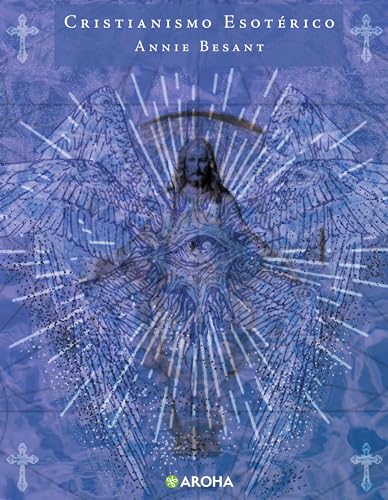



El Cristianismo Esotérico de Annie Besant es una obra reveladora que explora las dimensiones más profundas y místicas del cristianismo. Publicado en el siglo XX, Besant, una líder teosófica, desentraña los elementos esotéricos presentes en la tradición cristiana, ofreciendo una visión única y esclarecedora de los misterios ocultos detrás de la narrativa convencional. La autora examina los conceptos cristianos fundamentales, desde la Trinidad hasta el simbolismo de los sacramentos, desde una perspectiva esotérica, revelando capas de significado que van más allá de la interpretación superficial. Besant destaca la conexión entre el cristianismo y las antiguas enseñanzas esotéricas, subrayando la universalidad de las verdades espirituales a lo largo del tiempo y las culturas. El Cristianismo Esotérico es una invitación a profundizar en la esencia espiritual del cristianismo, más allá de las interpretaciones dogmáticas, y a descubrir la riqueza de su sabiduría oculta. Con claridad y erudición, Besant ofrece una obra que no solo despierta la curiosidad intelectual, sino que también invita a una experiencia más profunda y personal de la espiritualidad cristiana. Este libro sigue siendo una lectura esencial para aquellos que buscan una comprensión más completa y enriquecedora de la tradición cristiana.
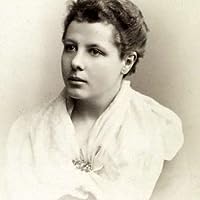
Author

Annie Wood Besant (1 October 1847 – 20 September 1933) was a prominent British socialist, theosophist, women's rights activist, writer and orator and supporter of Irish and Indian self-rule. She married aged 20 to Frank Besant, but separated from him over religious differences. She then became a prominent speaker for the National Secular Society (NSS) and writer and a close friend of Charles Bradlaugh. In 1877 they were prosecuted for publishing a book by birth control campaigner Charles Knowlton. The scandal made them famous, and Bradlaugh was elected M.P. for Northampton in 1880. She became involved with union actions including the Bloody Sunday demonstration and the London matchgirls strike of 1888. She was a leading speaker for the Fabian Society and the Marxist Social Democratic Federation (SDF). She was elected to the London School Board for Tower Hamlets, topping the poll even though few women were qualified to vote at that time. In 1890 Besant met Helena Blavatsky and over the next few years her interest in theosophy grew while her interest in secular matters waned. She became a member of the Theosophical Society and a prominent lecturer on the subject. As part of her theosophy-related work, she travelled to India. In 1898 she helped establish the Central Hindu College and in 1922 she helped establish the Hyderabad (Sind) National Collegiate Board in Mumbai,India . In 1902, she established the first overseas Lodge of the International Order of Co-Freemasonry, Le Droit Humain. Over the next few years she established lodges in many parts of the British Empire. In 1907 she became president of the Theosophical Society, whose international headquarters were in Adyar, Madras, (Chennai). She also became involved in politics in India, joining the Indian National Congress. When World War I broke out in 1914, she helped launch the Home Rule League to campaign for democracy in India and dominion status within the Empire. This led to her election as president of the Indian National Congress in late 1917. After the war, she continued to campaign for Indian independence and for the causes of theosophy, until her death in 1933. She fought for the causes she thought were right, starting with freedom of thought, women's rights, secularism (she was a leading member of the National Secular Society alongside Charles Bradlaugh), birth control, Fabian socialism and workers' rights. Once free of Frank Besant and exposed to new currents of thought, she began to question not only her long-held religious beliefs but also the whole of conventional thinking. She began to write attacks on the churches and the way they controlled people's lives. In particular she attacked the status of the Church of England as a state-sponsored faith. Soon she was earning a small weekly wage by writing a column for the National Reformer, the newspaper of the NSS. The NSS stood for a secular state and an end to the special status of Christianity, and allowed her to act as one of its public speakers. Public lectures were very popular entertainment in Victorian times. Besant was a brilliant speaker, and was soon in great demand. Using the railway, she crisscrossed the country, speaking on all of the most important issues of the day, always demanding improvement, reform and freedom. For many years Besant was a friend of the National Secular Society's leader, Charles Bradlaugh. Bradlaugh, a former soldier, had long been separated from his wife; Besant lived with him and his daughters, and they worked together on many issues. He was an atheist and a republican; he was also trying to get elected as Member of Parliament (MP) for Northampton. Besant and Bradlaugh became household names in 1877 when they published a book by the American birth-control campaigner Charles Knowlton. It claimed that working-class families could never be happy until they were able to decide how many children they wanted. It suggested ways to limit the size of their famil