Margins




548 Market St PMB 65688, San Francisco California 94104-5401 USA
© 2026 Paratext Inc. All rights reserved
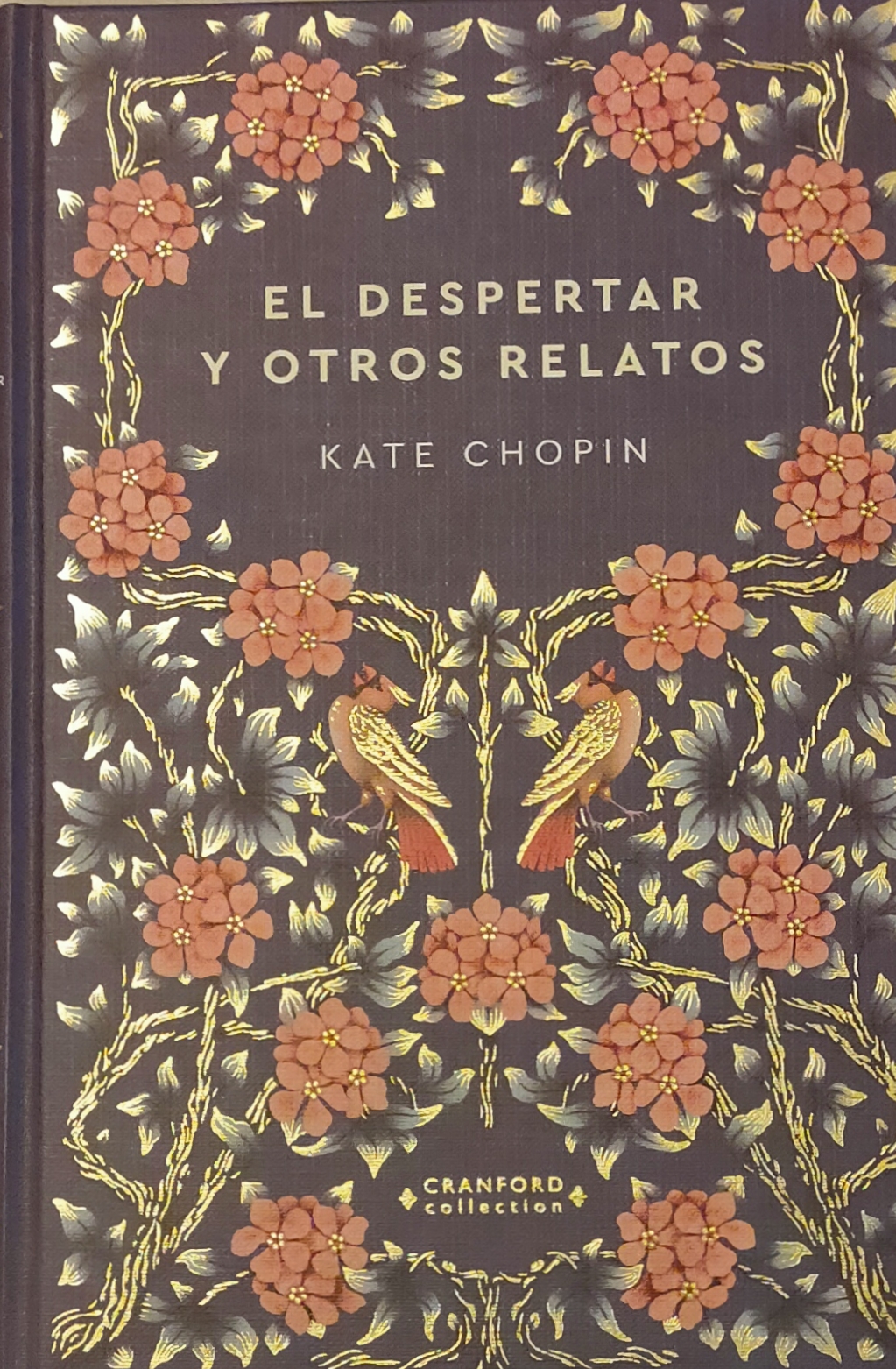
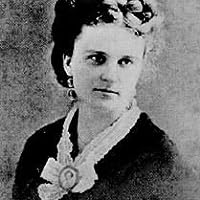
A finales del siglo XIX, la viuda de un plantador de algodón de Luisiana regresa a St. Louis, su ciudad natal, y empieza a ganarse la vida como escritora. Sus relatos sobre el mundo de los criollos y los acadianos de Luisiana, con sus peculiares grupos étnicos, su herencia francesa y sus relaciones con los esclavos o descendientes de esclavos, ya fuera en la sofisticada Nueva Orleans o en las plantaciones y granjas, sorprendieron a los lectores. Había, sin embargo, en estos relatos siempre una nota extraña de rebeldía, un gusto por las mujeres ensimismadas e independientes y cierto rechazo al matrimonio y la maternidad que resultaban algo incómodos. Cuando en 1899 Kate Chopin publicó El despertar, la misma sociedad que había admirado su maestría para el color local le volvió la espalda por la inmoralidad de su heroína, una respetable madre de familia de Nueva Orleans decidida a ser libre.