Margins




548 Market St PMB 65688, San Francisco California 94104-5401 USA
© 2026 Paratext Inc. All rights reserved
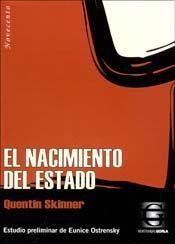
Quentin Skinner, actual profesor de la Universidad de Cambridge en la cátedra de Historia creada por el rey Jorge II en el siglo XVIII, nos muestra un excelente ejemplo de sus posturas metodológicas para enfrentarse al pasado en este trabajo erudito y esclarecedor. Sin abusar de fuentes primarias, Skinner rescata textos embrionarios del Estado moderno que, lentamente y a través de su relato, van gestando su construcción. Skinner identificará dos corrientes: la tradición republicana, ubicada en el Renacimiento italiano desde los siglos XIV hasta el XVI, donde Maquiavelo con sus Discorsi (1513-19) es su representante más sobresaliente en la defensa de la República; y los monarcómacos o regicidas, con origen en Francia y seguidores en los Países Bajos e Inglaterra, que expresan en la Vindicae contra Tyrannos (1579) el derecho de los pueblos de ungir al rey y removerlo si gobierna tiránicamente. (Andrés Di Leo)