Margins
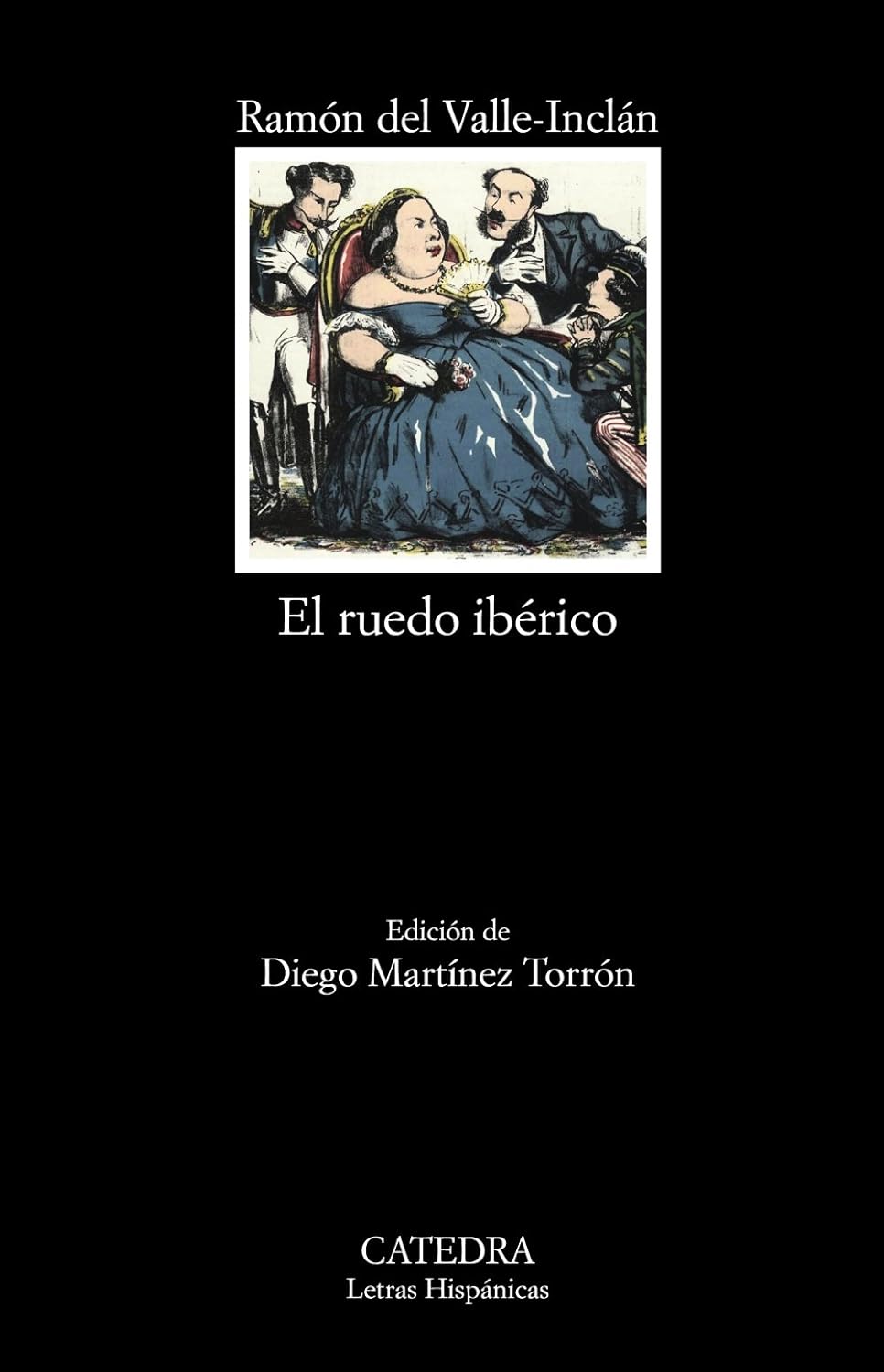
El ruedo ibérico book cover
El ruedo ibérico
2017
First Published
3.65
Average Rating
975
Number of Pages
Las novelas que forman el ciclo de "El ruedo ibérico", proyecto del que Valle-Inclán solo llegó a publicar los tres tomos de la primera serie, constituyen un retrato de la época que abarca desde las clases altas de la corte hasta las clases bajas de la sociedad; con el claroscuro en el dibujo de los protagonistas de la revolución de 1868; con referencias al estamento clerical y su influencia en la política española de todos los tiempos; con el retrato de una reina, Isabel II, que es vista como una mujer populachera, aunque intrigante y lasciva, rendida a la supersticiosa manera de entender la religión; con el retrato de los militares de la época, a veces de modo despiadado; con el hálito vivo de los pobres diablos, los bandidos, los marginales, el lumpen, las prostitutas... Esta edición incluye las cuatro novelas de "El ruedo ibérico" publicadas ("La corte de los milagros", "La rosa de oro", "Viva mi dueño" y "Baza de espadas") y un Apéndice con los textos "Fin de un revolucionario", "Correo diplomático" y "El trueno dorado".

Avg Rating
3.65
Number of Ratings
17
5 STARS
35%
4 STARS
24%
3 STARS
18%
2 STARS
18%
1 STARS
6%
goodreads

Author

Ramón María del Valle-Inclán
Author · 7 books
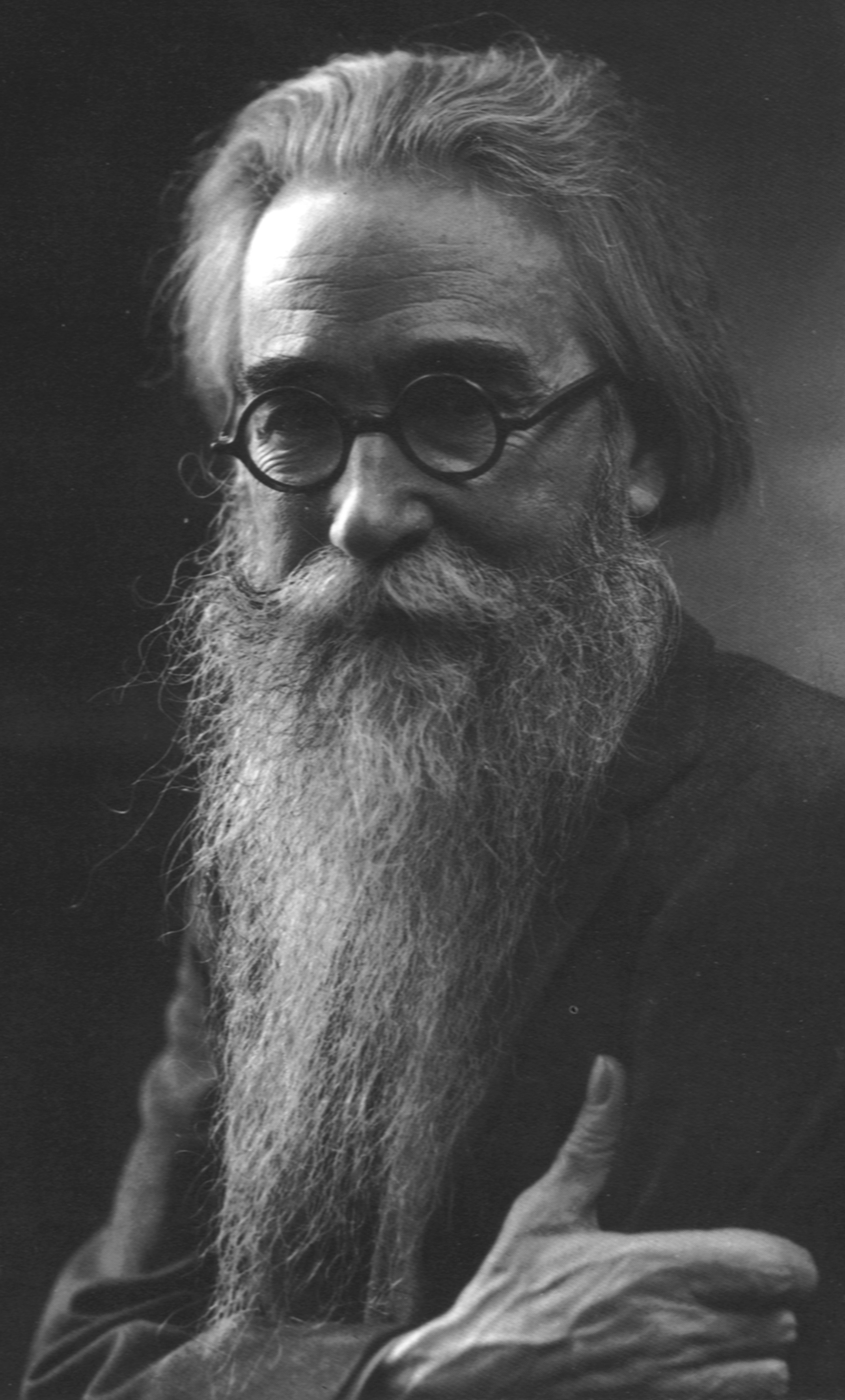
Ramón del Valle-Inclán was born into an impoverished aristocratic family in a rural village in Galicia, Spain. Obedient to his father’s wishes, he studied law in Compostela, but after his father’s death in 1889 he moved to Madrid to work as a journalist and critic. In 1892 Valle-Inclán traveled to Mexico, where he remained for more than a year. His first book of stories came out in Spain in 1895. A well-known figure in the cafés of Madrid, famous for his spindly frame, cutting wit, long hair, longer beard, black cape, and single arm (the other having been lost after a fight with a critic), Valle-Inclán was celebrated as the author of Sonatas: The Memoirs of the Marquis of Bradomín, which was published in 1904 and is considered the finest novel of Spanish modernismo, as well as for his extensive and important career in the theater, not only as a major twentieth-century playwright but also as a director and actor. He reported from the western front during World War I, and after the war he developed an unsettling new style that he dubbed esperpento—a Spanish word that means both a grotesque, frightening person and a piece of nonsense—and described as a search for “the comic side of the tragedy of life.” Partly inspired by his second visit to Mexico in 1920, when the country was in the throes of revolution, Tyrant Banderas is Valle-Inclán’s greatest novel and the essence of esperpento.
548 Market St PMB 65688, San Francisco California 94104-5401 USA
© 2026 Paratext Inc. All rights reserved