Margins




548 Market St PMB 65688, San Francisco California 94104-5401 USA
© 2026 Paratext Inc. All rights reserved
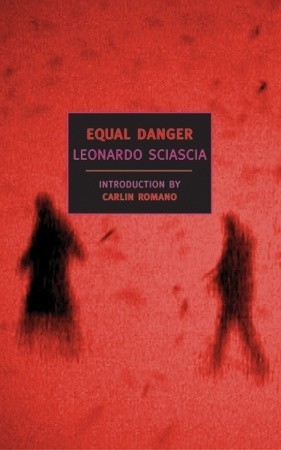
District Attorney Varga is shot dead. Then Judge Sanza is killed. Then Judge Azar. Are these random murders, or part of a conspiracy? Inspector Rogas thinks he might know, but as soon as he makes progress he is transferred and encouraged to pin the crimes on the Left. And yet how committed are the cynical, fashionable, comfortable revolutionaries to revolution—or anything? Who is doing what to whom? Equal Danger is set in an imaginary country, one that seems all too real. It is the most extreme—and gripping—depiction of the politics of paranoia by Leonardo Sciascia, master of the metaphysical detective novel.