Margins


548 Market St PMB 65688, San Francisco California 94104-5401 USA
© 2026 Paratext Inc. All rights reserved

Erving Goffman (June 11, 1922 – November 19, 1982) was a Canadian-born sociologist and writer. Considered "the most influential American sociologist of the twentieth century" (Fine, Manning, and Smith 2000:ix), as a subjective analyst, Goffman's greatest contribution to social theory is his study of symbolic interaction in the form of dramaturgical analysis that began with his 1959 book The Presentation of Self in Everyday Life. Goffman's other areas of study included social order and interaction, impression management, total institutions, social organization of experience, and stigmas. Some of the influences on his works include Durkheim, Freud, Mead, Radcliffe-Brown, and Simmel. In 2007 Goffman was listed as the 6th most-cited intellectual in the humanities and social sciences by The Times Higher Education Guide, behind Anthony Giddens and ahead of Jürgen Habermas.[1]. Goffman was also named the 73rd president of the American Sociological Association. Goffman is more cited today from his books than during his time. Writers today use his ideas to examine the relationship between individual behavior and the reproduction of social systems.

Essays on the Social Situation of Mental Patients and Other Inmates
1961

1963

Two Studies in the Sociology of Interaction
1961

1981

An Essay on the Organization of Experience
1974

1979
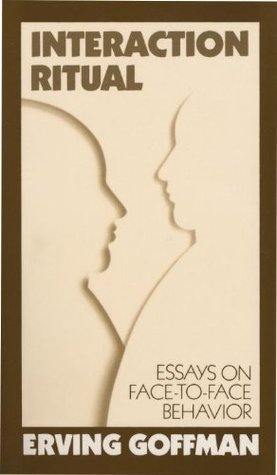
Essays in Face-to-Face Behavior
1967

Microstudies of the Public Order
1971
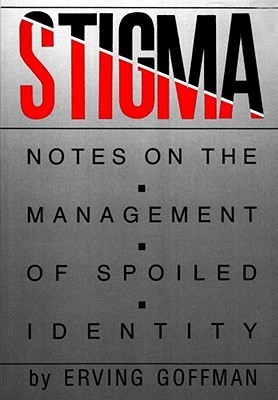
Notes on the Management of Spoiled Identity
1963
1970

1997
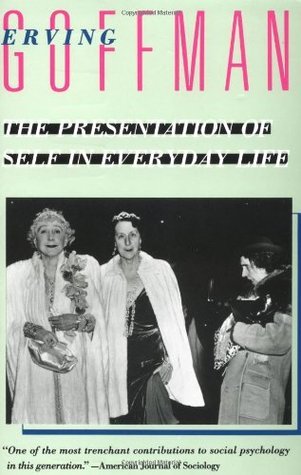
1959

2026

1991