Margins
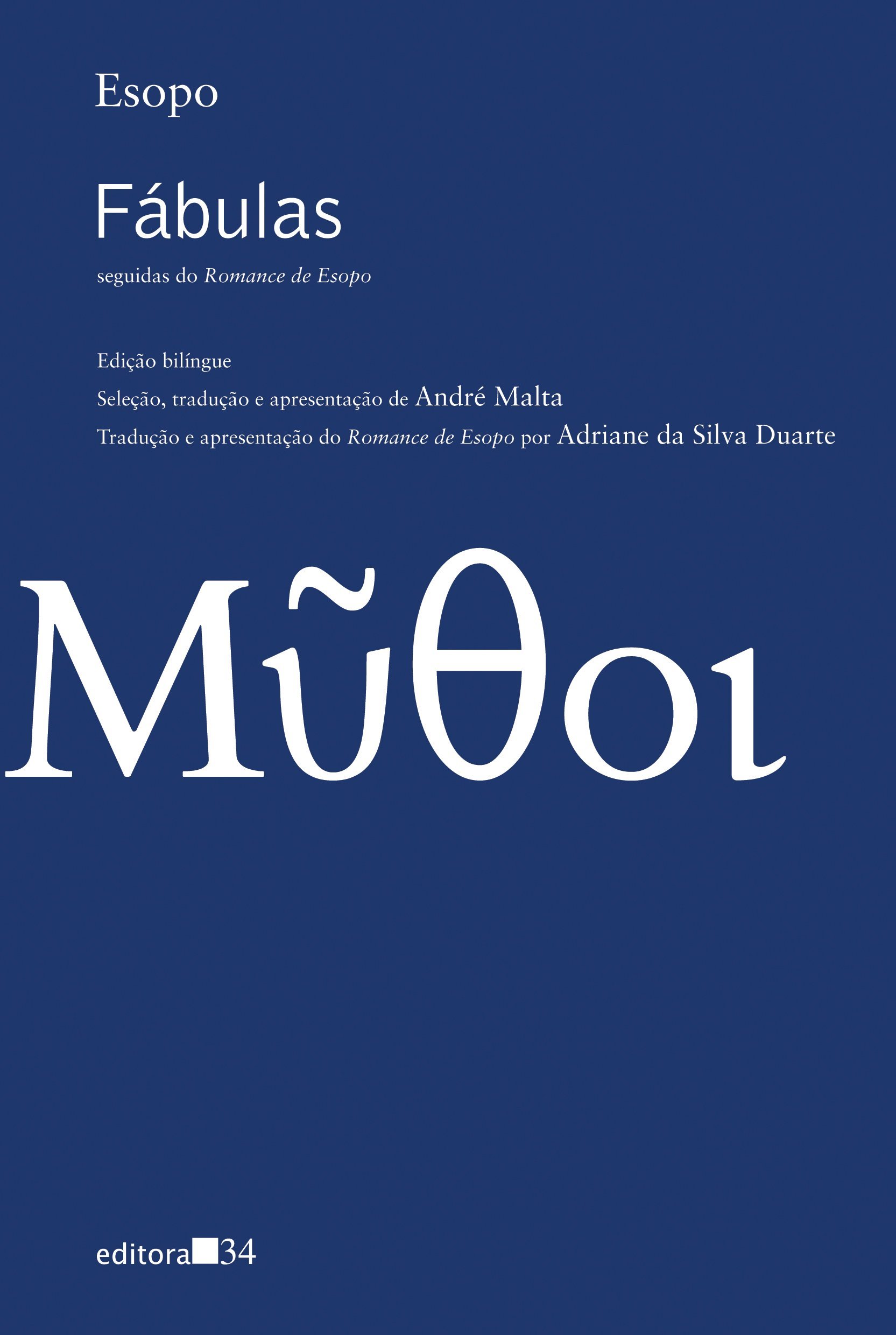
Fábulas & Romance de Esopo book cover
Fábulas & Romance de Esopo
Aesop
2017
First Published
4.13
Average Rating
280
Number of Pages
Este livro reúne 75 das principais fábulas de Esopo—figura mítica ou histórica que teria vivido entre os séculos VII e VI a.C. —, acompanhadas do texto grego estabelecido por Émile Chambry. Separadas em dois grupos, “com animais” e “sem animais”, as fábulas foram cuidadosamente traduzidas por André Malta, da Universidade de São Paulo, como se fossem pequenos poemas em prosa, procurando fidelidade aos ritmos e à concisão do original. O tradutor também assina uma apresentação em que discute a dimensão histórica e a estrutura das fábulas de Esopo, e como elas se destinavam não às crianças, mas à reflexão e ao deleite dos adultos. A segunda parte do volume traz a primeira tradução direta para o português do chamado Romance de Esopo (ou Vida de Esopo), a célebre biografia ficcional do fabulista, de autoria anônima, escrita por volta do século II d.C. A tradução foi realizada por Adriane da Silva Duarte, da USP, a partir da versão mais completa do texto grego, descoberta somente no século XX (a “recensão G”). Mesmo sendo uma verdadeira colagem de escritos realizados ao longo de séculos, como comenta a tradutora em sua apresentação, o Romance de Esopo diverte por sua picardia e ilumina aspectos-chave do meio em que circulavam as histórias esópicas na Antiguidade.

Avg Rating
4.13
Number of Ratings
23
5 STARS
35%
4 STARS
43%
3 STARS
22%
2 STARS
0%
1 STARS
0%
goodreads

Author

Aesop
Aesop
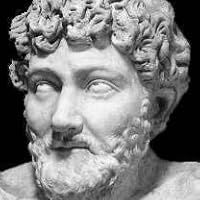
Author · 56 books

620 BC - 564 BC Tradition considers Greek fabulist Aesop as the author of Aesop's Fables , including "The Tortoise and the Hare" and "The Fox and the Grapes." This credited ancient man told numerous now collectively known stories. None of his writings, if they ever existed, survive; despite his uncertain existence, people gathered and credited numerous tales across the centuries in many languages in a storytelling tradition that continues to this day. Generally human characteristics of animals and inanimate objects that speak and solve problems characterize many of the tales. One can find scattered details of his life in ancient sources, including Aristotle, Herodotus, and Plutarch. An ancient literary work, called The Aesop Romance tells an episodic, probably highly fictional version of his life, including the traditional description of him as a strikingly ugly slave (δοῦλος), whose cleverness acquires him freedom as an adviser to kings and city-states. Older spellings of his name included Esop(e) and Isope. A later tradition, dating from the Middle Ages, depicts Aesop as a black Ethiopian. Depictions of Aesop in popular culture over the last two and a half millennia included several works of art and his appearance as a character in numerous books, films, plays, and television programs. Abandoning the perennial image of Aesop as an ugly slave, the movie Night in Paradise (1946) cast Turhan Bey in the role, depicting Aesop as an advisor to Croesus, king; Aesop falls in love with a Persian princess, the intended bride of the king, whom Merle Oberon plays. Lamont Johnson also plays Aesop the Helene Hanff teleplay Aesop and Rhodope (1953), broadcast on hallmark hall of fame. Brazilian dramatist Guilherme Figueiredo published A raposa e as uvas ("The Fox and the Grapes"), a play in three acts about the life of Aesop, in 1953; in many countries, people performed this play, including a videotaped production in China in 2000 under the title Hu li yu pu tao or 狐狸与葡萄 . Beginning in 1959, animated shorts under the title Aesop and Son recurred as a segment in the television series Rocky and His Friends and The Bullwinkle Show, its successor. People abandoned the image of Aesop as ugly slave; Charles Ruggles voiced Aesop, a Greek citizen, who recounted for the edification of his son, Aesop Jr., who then delivered the moral in the form of an atrocious pun. In 1998, Robert Keeshan voiced him, who amounted to little more than a cameo in the episode "Hercules and the Kids" in the animated television series Hercules. In 1971, Bill Cosby played him in the television production Aesop's Fables. British playwright Peter Terson first produced the musical Aesop's Fables in 1983. In 2010, Mhlekahi Mosiea as Aesop staged the play at the Fugard theatre in Cape Town, South Africa.

548 Market St PMB 65688, San Francisco California 94104-5401 USA
© 2026 Paratext Inc. All rights reserved