Margins




548 Market St PMB 65688, San Francisco California 94104-5401 USA
© 2026 Paratext Inc. All rights reserved

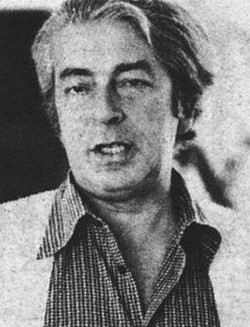
Surgida no mesmo ano em que o Autor publicou o romance Angústia para o Jantar – mais tarde também adaptado ao teatro –, esta peça contribuiu para celebrizar Luís de Sttau Monteiro como dramaturgo, tendo sido bem recebida pela crítica do seu tempo. Baseada na tentativa frustrada de revolta liberal em 1817, supostamente encabeçada por Gomes Freire de Andrade, Felizmente Há Luar! recria em dois actos a sequência de acontecimentos históricos que em Outubro desse ano levou à prisão e ao enforcamento de Gomes Freire pelo regime de Beresford, com o apoio da Igreja, sublinhando um apelo épico (e ético) politicamente empenhado e legível à luz do que era Portugal nos anos 60. Chamando a atenção para a injustiça da repressão e das perseguições políticas, a peça – designada por "apoteose trágica" pelo Autor – esteve proibida até 1974 e foi pela primeira vez levada à cena apenas em 1978, no Teatro Nacional, numa encenação do próprio Sttau Monteiro. Fonte: http://www.prof2000.pt/users/jsafonso...