


Margins
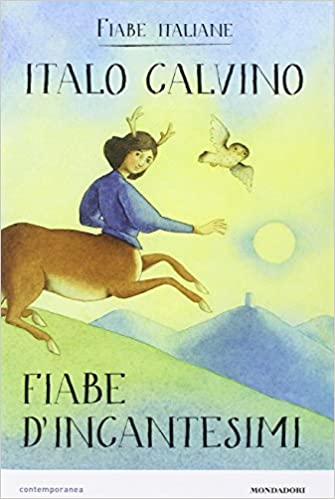
Fiabe d'incantesimi book cover
Fiabe d'incantesimi
2014
First Published
3.23
Average Rating
96
Number of Pages

C'era una volta un padre che aveva un figlio solo... Così inizia la fiaba La scuola di Salamanca, in cui un ragazzo va a lezione per imparare a tramutarsi in ogni creatura. Una principessa crea con le proprie mani il Reuzzo Peperone e se lo sposa, ma rischia di perderlo a causa della Turca-Cane. Un Re imprudente osa prendere in giro una vecchia Gobba, zoppa e collotorto, ma il giorno dopo si renderà conto, suo malgrado, di aver avuto a che fare con una potente fata. I due negozianti di mare litigano per la perdita di un figlio che, sopravvissuto, vivrà una meravigliosa avventura tra palazzi incantati e principesse da salvare. C'è poi il bellissimo Sandrino che, per apparire più brutto e arricchirsi, fa un patto pericoloso per ottenere Le brache del Diavolo. Il Re di Principesse maritate al primo che passa dovrà invece dotarsi di molti oggetti fatati e affrontare prove difficilissime prima di riuscire a sposare la sua bella Fiorita. Le Fiabe italiane racchiudono il tesoro della tradizione fiabistica popolare. Da quello scrigno Calvino stesso ha selezionato per i più piccoli queste storie, in cui le vite di persone e animali si intrecciano a magia e meraviglia senza tempo.
Avg Rating
3.23
Number of Ratings
22
5 STARS
18%
4 STARS
9%
3 STARS
55%
2 STARS
14%
1 STARS
5%
goodreads

Author

Italo Calvino
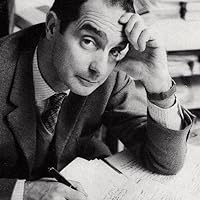
Italo Calvino
Author · 74 books

Italo Calvino was born in Cuba and grew up in Italy. He was a journalist and writer of short stories and novels. His best known works include the Our Ancestors trilogy (1952-1959), the Cosmicomics collection of short stories (1965), and the novels Invisible Cities (1972) and If On a Winter's Night a Traveler (1979). His style is not easy to classify; much of his writing has an air reminiscent to that of fantastical fairy tales (Our Ancestors, Cosmicomics), although sometimes his writing is more "realistic" and in the scenic mode of observation (Difficult Loves, for example). Some of his writing has been called postmodern, reflecting on literature and the act of reading, while some has been labeled magical realist, others fables, others simply "modern". He wrote: "My working method has more often than not involved the subtraction of weight. I have tried to remove weight, sometimes from people, sometimes from heavenly bodies, sometimes from cities; above all I have tried to remove weight from the structure of stories and from language."

548 Market St PMB 65688, San Francisco California 94104-5401 USA
© 2025 Paratext Inc. All rights reserved