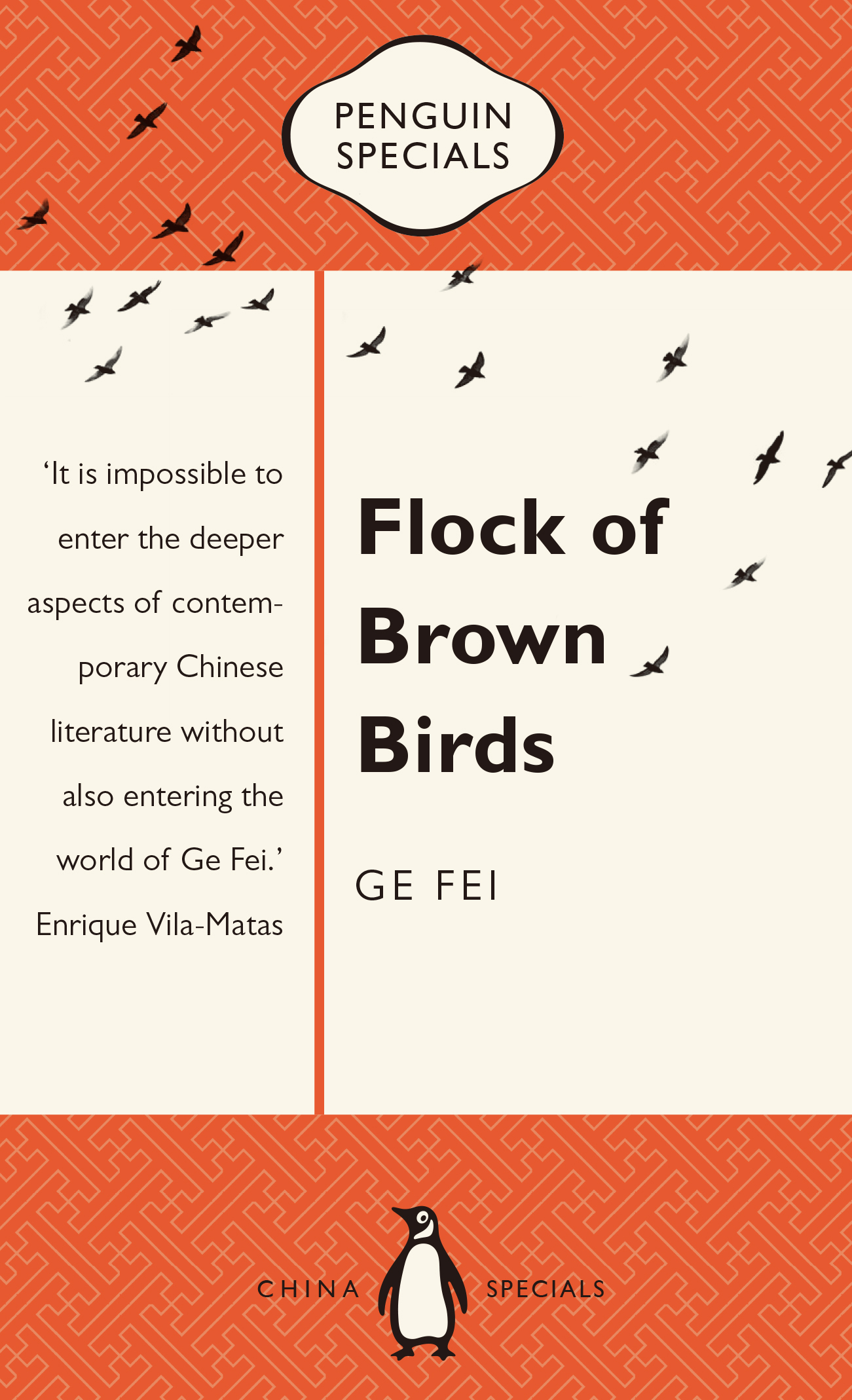



In this avant garde masterpiece, memory is a fluid concept. The protagonist, a writer, is at a publisher-sponsored retreat to finish his novel. The beauty of the location however cannot compensate for the anxiety and hallucinations he experiences while watching a flock of brown birds pass by his window, and his sense of temporal disorientation is further compounded by the appearance of a strange woman who calls him Ge Fei. Fiction and reality blend into one as the story unfolds. Ge Fei’s prose renders in exquisite detail the fragility of time. "It is impossible to enter the deeper aspects of contemporary Chinese literature without also entering the world of Ge Fei." - Enrique Vila-Matas
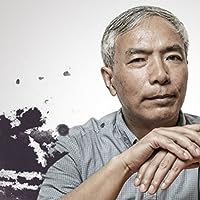
Author

Ge Fei (Chinese: 格非; pinyin: Gé Fēi; Wade–Giles: Ke Fei, born 1964), pen-name for Liu Yong (刘勇), is a notable contemporary Chinese author whose works were prominent during the late 1980s and early 1990s. Ge Fei was considered one of the preeminent experimental writers during that period, and he is currently a professor of literature at Tsinghua University. His most prominent work is the novel 人面桃花, Renmian Taohua (Peach Blossom Beauty) (2004), which explores the concept of utopia, and is written with many classical allusions. It is the first book of the Jiangnan Trilogy. The second book, 山河入梦 [Shānhé rùmèng] (My Dream of the Mountain and River), was published in 2007 and the third one, 春尽江南 [Chūn jǐn jiāngnán] (Spring Ends in Jiangnan), in 2011. The title of Renmian Taohua is taken from a classical work, and has also been used by the director Du Haibin for his documentary on a gay club in Chengdu (2005); the English name for the film is Beautiful Men but this is not a direct translation. (from Wikipedia) https://en.wikipedia.org/wiki/Ge\_Fei\_...