Margins




548 Market St PMB 65688, San Francisco California 94104-5401 USA
© 2026 Paratext Inc. All rights reserved
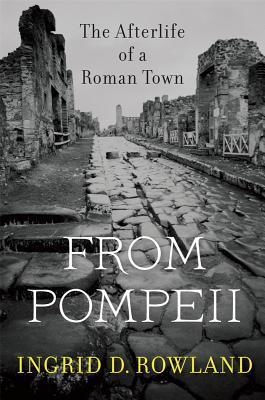
When Vesuvius erupted in 79 CE, the force of the explosion blew the top right off the mountain, burying nearby Pompeii in a shower of volcanic ash. Ironically, the calamity that proved so lethal for Pompeii's inhabitants preserved the city for centuries, leaving behind a snapshot of Roman daily life that has captured the imagination of generations. The experience of Pompeii always reflects a particular time and sensibility, says Ingrid Rowland. From Pompeii: The Afterlife of a Roman Town explores the fascinating variety of these different experiences, as described by the artists, writers, actors, and others who have toured the excavated site. The city's houses, temples, gardens—and traces of Vesuvius' human victims—have elicited responses ranging from awe to embarrassment, with shifting cultural tastes playing an important role. The erotic frescoes that appalled eighteenth-century viewers inspired Renoir to change the way he painted. For Freud, visiting Pompeii was as therapeutic as a session of psychoanalysis. Crown Prince Hirohito, arriving in the Bay of Naples by battleship, found Pompeii interesting, but Vesuvius, to his eyes, was just an ugly version of Mount Fuji. Rowland treats readers to the distinctive, often quirky responses of visitors ranging from Wolfgang Amadeus Mozart, Charles Dickens, and Mark Twain to Roberto Rossellini and Ingrid Bergman. Interwoven throughout a narrative lush with detail and insight is the thread of Rowland's own impressions of Pompeii, where she has returned many times since first visiting in 1962.