From the Fatherland, with Love is set in an alternative, dystopian present in which the dollar has collapsed and Japan's economy has fallen along with it. The North Korean government, sensing an opportunity, sends a fleet of rebels in the first land invasion that Japan has ever faced. Japan can't cope with the surprise onslaught of Operation From the Fatherland, with Love. But the terrorist Ishihara and his band of renegade youths - once dedicated to upsetting the Japanese government - turn their deadly attention to the North Korean threat. They will not allow Fukuoka to fall without a fight. Epic in scale, From the Fatherland, with Love is laced throughout with Murakami's characteristically savage violence. It's both a satisfying thriller and a completely mad, over-the-top novel like few others.
Author
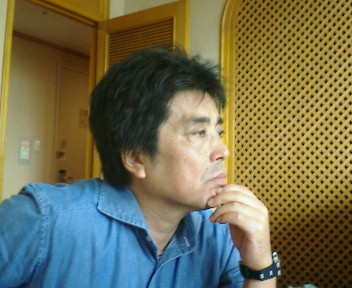
Ryū Murakami (村上 龍) is a Japanese novelist and filmmaker. He is not related to Haruki Murakami or Takashi Murakami. Murakami's first work, the short novel Almost Transparent Blue, written while he was still a student, deals with promiscuity and drug use among disaffected Japanese youth. Critically acclaimed as a new style of literature, it won the newcomer's literature prize in 1976 despite some observers decrying it as decadent. Later the same year, Blue won the Akutagawa Prize, going on to become a best seller. In 1980, Murakami published the much longer novel Coin Locker Babies, again to critical acclaim. Takashi Miike's feature film Audition (1999) was based on one of his novels. Murakami reportedly liked it so much he gave Miike his blessing to adapt Coin Locker Babies. The screen play was worked on by director Jordan Galland. However, Miike could not raise funding for the project. An adaptation directed by Michele Civetta is currently in production. Murakami has played drums for a rock group called Coelacanth and hosted a TV talk show.