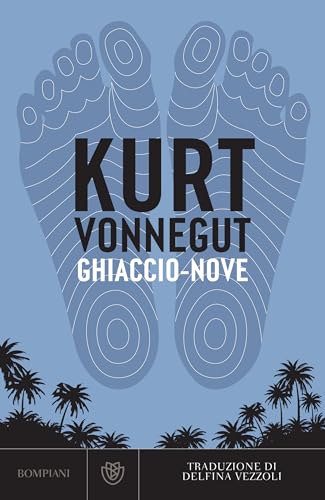



Ghiaccio-nove è una sostanza creata per uso bellico dal Professor Felix Hoenikker, fisico premio Nobel che ha partecipato alla creazione della bomba atomica che ha distrutto Hiroshima. A raccontarci di Hoenikker è John, o Jonah, uno scrittore alle prese con un libro sulla vita dello scienziato che si intitolerà Il giorno in cui il mondo finì. È parlando con i figli del suo soggetto che lo scrittore scopre l'esistenza di voluto dall'esercito per permettere ai soldati di combattere in ogni situazione, la sostanza avrebbe dovuto solidificare i terreni umidi e acquitrinosi, ma Hoenikker si è spinto oltre e adesso la sua creazione ha la capacità di trasformare in ghiaccio tutto ciò che contiene acqua, piante, animali, e uomini. Da questa scoperta prende il via una storia di fantascienza, fantareligione, fantapolitica, fantaapocalisse. O forse no, forse non c'è nulla di fantastico, forse si parla di tutto ciò che è reale e prossimo a noi.
Author

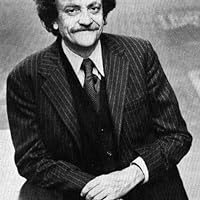
Kurt Vonnegut, Junior was an American novelist, satirist, and most recently, graphic artist. He was recognized as New York State Author for 2001-2003. He was born in Indianapolis, later the setting for many of his novels. He attended Cornell University from 1941 to 1943, where he wrote a column for the student newspaper, the Cornell Daily Sun. Vonnegut trained as a chemist and worked as a journalist before joining the U.S. Army and serving in World War II. After the war, he attended University of Chicago as a graduate student in anthropology and also worked as a police reporter at the City News Bureau of Chicago. He left Chicago to work in Schenectady, New York in public relations for General Electric. He attributed his unadorned writing style to his reporting work. His experiences as an advance scout in the Battle of the Bulge, and in particular his witnessing of the bombing of Dresden, Germany whilst a prisoner of war, would inform much of his work. This event would also form the core of his most famous work, Slaughterhouse-Five, the book which would make him a millionaire. This acerbic 200-page book is what most people mean when they describe a work as "Vonnegutian" in scope. Vonnegut was a self-proclaimed humanist and socialist (influenced by the style of Indiana's own Eugene V. Debs) and a lifelong supporter of the American Civil Liberties Union. The novelist is known for works blending satire, black comedy and science fiction, such as Slaughterhouse-Five (1969), Cat's Cradle (1963), and Breakfast of Champions (1973)