Margins




548 Market St PMB 65688, San Francisco California 94104-5401 USA
© 2026 Paratext Inc. All rights reserved
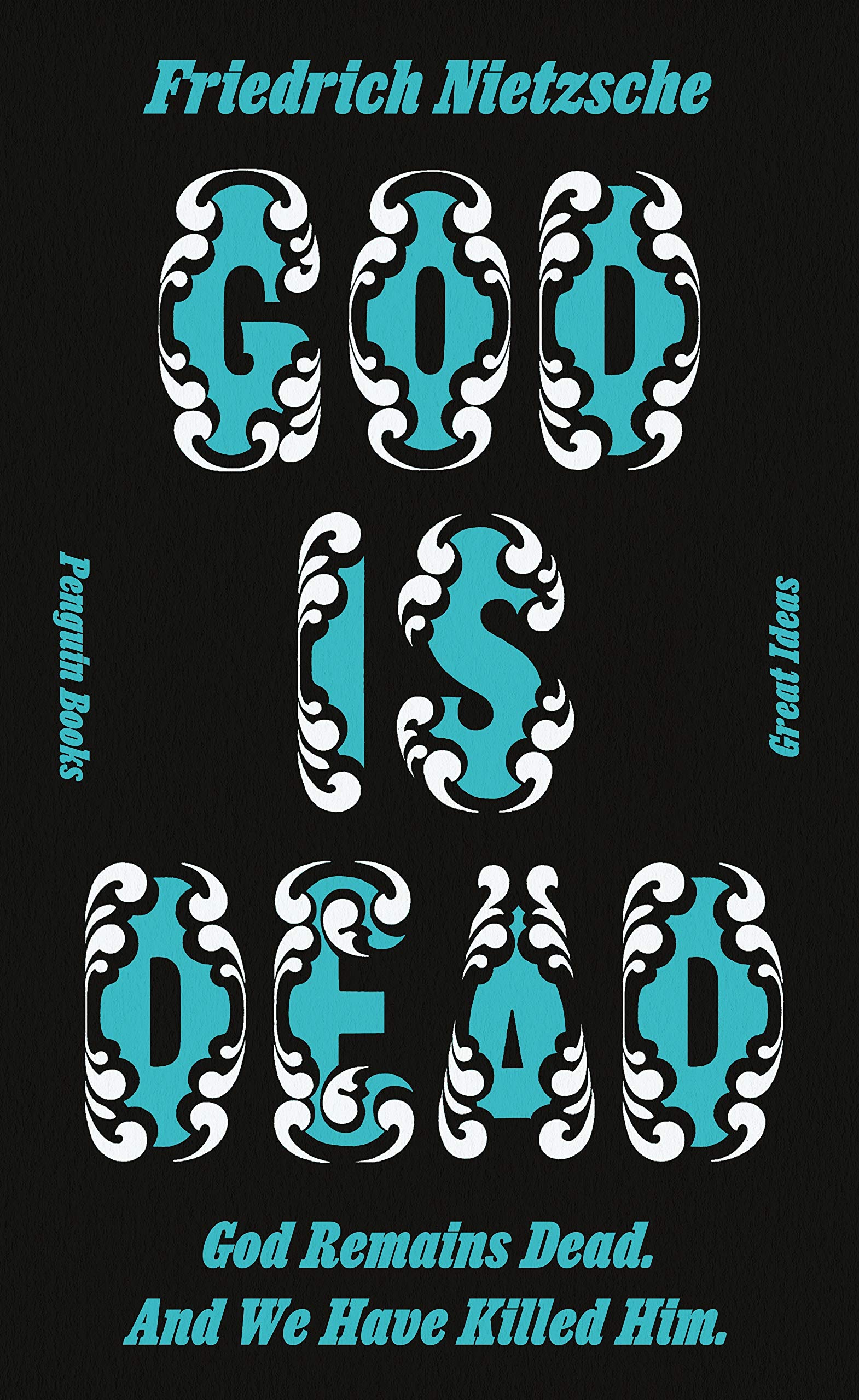
Grounded in his famous notion that "God is dead," a selection from Nietzsche's most personal book, The Joyous Science Nietzsche's devastating demolition of religion would have seismic consequences for future generations. With God dead, he envisages a brilliant future for one in which individuals would at last be responsible for their destinies. Throughout history, some books have changed the world. They have transformed the way we see ourselves - and each other. They have inspired debate, dissent, war and revolution. They have enlightened, outraged, provoked and comforted. They have enriched lives—and upended them. Now Penguin brings you a new set of the acclaimed Great Ideas, a curated library of selections from the works of the great thinkers, pioneers, radicals and visionaries whose ideas shook civilization and helped make us who we are.