Margins
Gothic Literary Studies book cover 1
Gothic Literary Studies book cover 2
Gothic Literary Studies book cover 3
Gothic Literary Studies
Series · 20
books · 2011-2024

Books in series

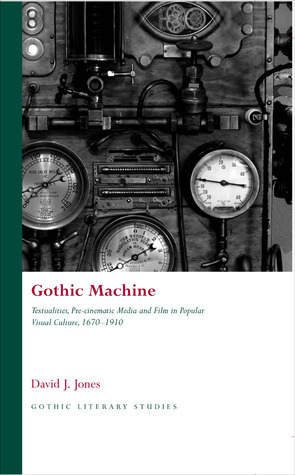
Gothic Machine book cover
#11

Gothic Machine

Textualities, Pre-cinematic Media and Film in Popular Visual Culture 1670-1910

2011

In Gothic Machine, David Jones reveals the intriguing relationships between Gothic literature, film, and the media existing prior to the advent of the cinema. Jones tracks the Gothic horror genre from its earliest days as literature, through phantasmagoria and the magic lantern shows of the Victorian period, to the early films of the 1890s, and finally to the first motion picture adaptation of Mary Shelley’s Frankenstein in 1910. Among the numerous personalities that appear in Jones’s study are the Marquis de Sade; Étienne-Gaspard Robert, or “Robertson”; Friedrich Schiller, and the Lumière brothers.
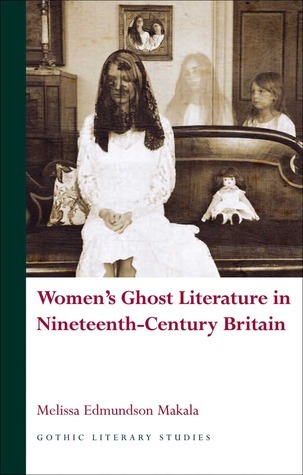
Women's Ghost Literature in Nineteenth-Century Britain book cover
#16

Women's Ghost Literature in Nineteenth-Century Britain

2013

Throughout nineteenth-century Britain, female writers excelled within the genre of supernatural literature. Much of their short fiction and poetry uses ghosts as figures to symbolize the problems of gender, class, economics, and imperialism, thus making their supernatural literature something more than just a good scare. Women’s Ghost Literature in Nineteenth-Century Britain recovers and analyzes for a new audience this “social supernatural” ghost literature, as well as the lives and literary careers of the women who wrote it.
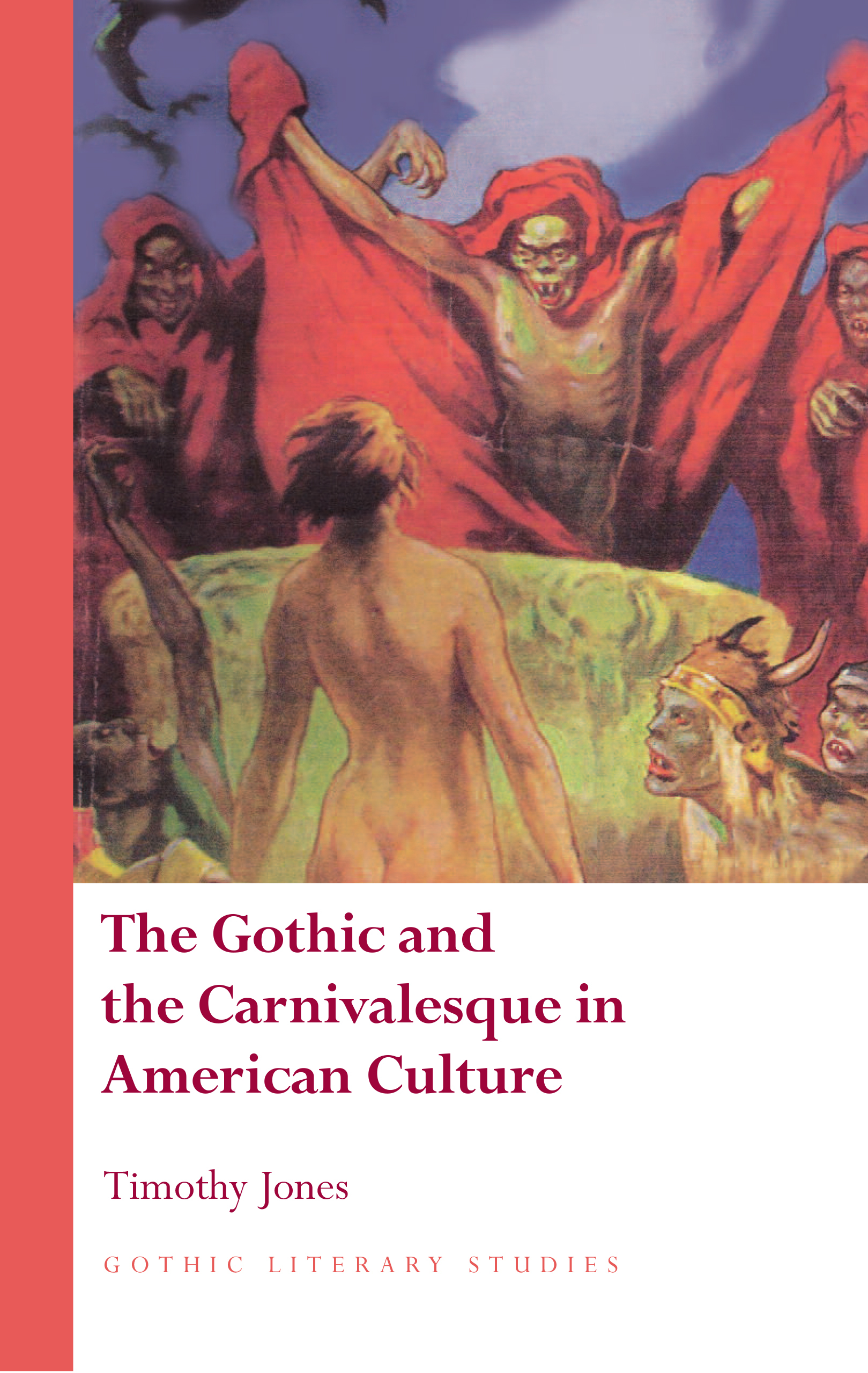
The Gothic and the Carnivalesque in American Culture book cover
#26

The Gothic and the Carnivalesque in American Culture

2015

Writers on gothic literature and art traditionally assume the genre explores genuine historical crises and traumas—yet this does not account for the fact that the gothic is often a source of wicked delight as much as horror, causing audiences to laugh as often as they shriek. The Gothic and Carnivalesque in American Culture offers a different account of the gothic, one that focuses on the carnivalesque in American gothic works from the nineteenth to the twentieth century. Along the way, the author discusses festivals in the works of Poe, Hawthorne and Irving; the celebrations of wickedness on display in the work of Weird Tales and H.P. Lovecraft; and the exhilarating, often exuberant horrors offered up by more recent authors such as Ray Bradbury and Stephen King, and in gothic-inspired television and pop culture, such as Vampirella and American Gothic .
The Gothic Condition book cover
#27

The Gothic Condition

Terror, History and the Psyche

2016

This book brings together fourteen of the most ambitious and thought-provoking recent essays by David Punter, who has been writing on the Gothic for over thirty years. Punter addresses developments in Gothic writing and Gothic criticism since the mid-eighteenth century, by isolating and discussing specific themes and scenarios that have remained relevant to literary and philosophical discussion and by paying close attention to the motifs, figures, and recurrences that loom large in twenty-first-century engagements with the Gothic. Demonstrating an astounding breadth of erudition by a scholar at the top of his field, The Gothic Condition both engages deeply with Gothic history and examines our continuing fascination with Gothic tropes—the vampire, the zombie, the phantom, and the living dead.
Werewolves, Wolves and the Gothic book cover
#28

Werewolves, Wolves and the Gothic

2017

Wolves lope across Gothic imagination. Signs of a pure animality opposed to humanity, in the figure of the werewolf they become liminal creatures that move between the human and the animal. Werewolves function as a site for exploring complex anxieties of difference – of gender, class, race, space, nation or sexuality – but the imaginative and ideological uses of wolves also reflect back on the lives of material animals, long persecuted in their declining habitats across the world. Werewolves therefore raise unsettling questions about the intersection of the real and the imaginary, the instability of human identities and the worldliness and political weight of the Gothic. This is the first volume concerned with the appearance of werewolves and wolves in literary and cultural texts from the mid-nineteenth century to the present. Drawing on representations of werewolves and wolves in literature, film, television and visual culture, the essays investigate the key texts of the lycanthropic canon alongside lesser-known works from the 1890s to the present. The result is an innovative study that is both theoretically aware and historically nuanced, featuring an international list of established and emerging scholars based in Britain, Europe, North America and Australia.
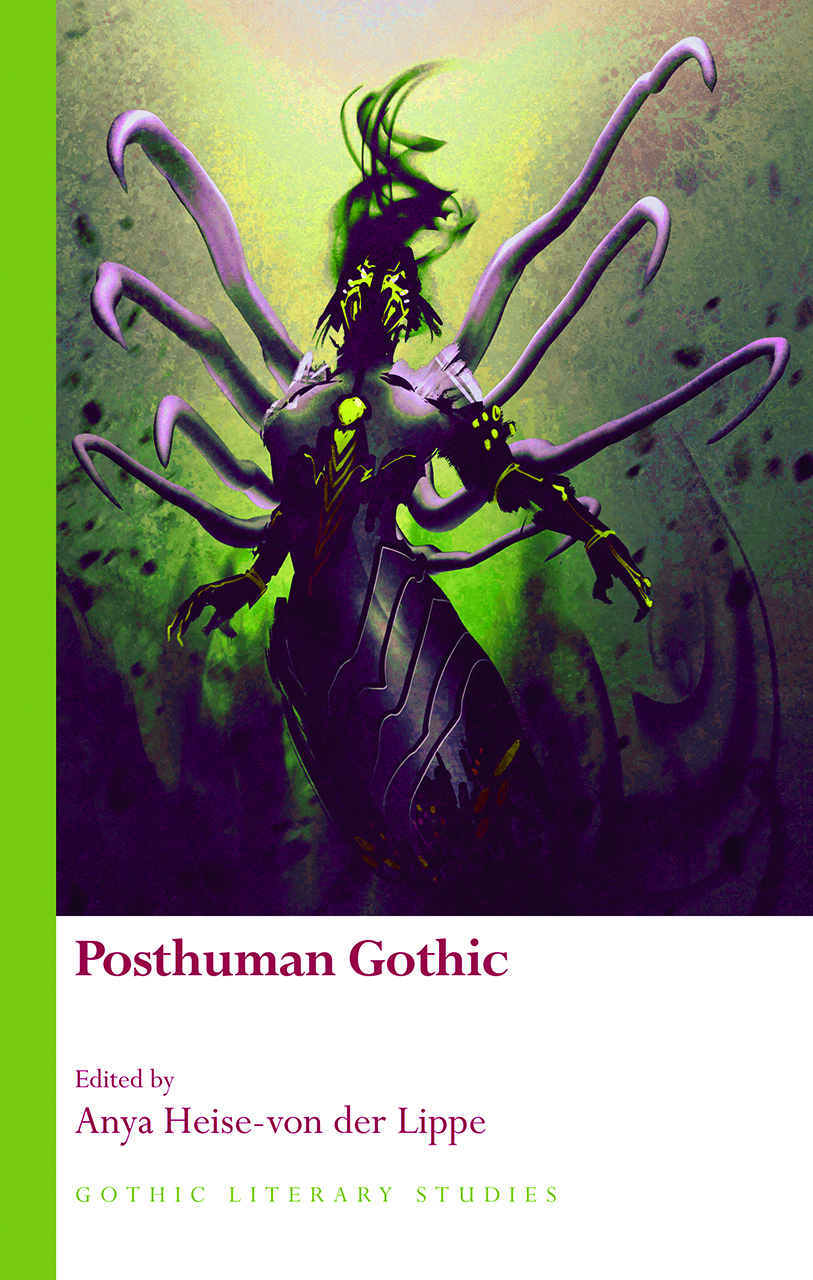
Posthuman Gothic book cover
#29

Posthuman Gothic

2017

An edited collection of thirteen chapters, Posthuman Gothic explores the various ways in which posthuman thought intersects with Gothic textuality and mediality. The texts and media under discussion—from I am Legend to In the Flesh; from Star Trek to The Truman Show—transgress the boundaries of genre and move beyond the traditional scope of the Gothic. These texts, the contributors argue, destabilize our conception of what it means to be human. Drawing on key texts of both Gothic and posthumanist theory, the contributors analyze varied themes: posthuman vampire and zombie narratives; genetically modified posthumans; the posthuman in video games, film, and television; the posthuman as a return to nature; the posthuman’s relation to classic monster narratives; and posthuman biohorror and theories of prometheanism and accelerationism. In its entirety, this book is the first attempt to address the complex intersections of the posthuman and the Gothic in contemporary literature and media.
Gothic Britain book cover
#31

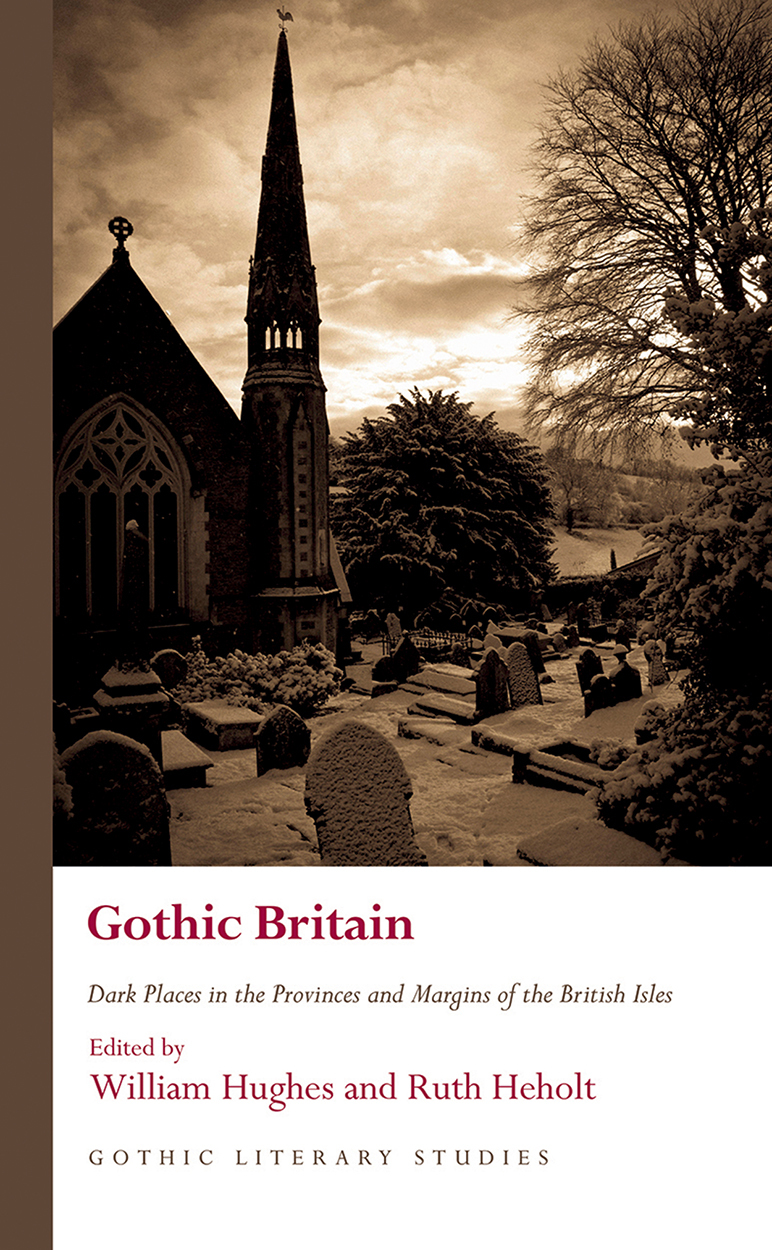
Gothic Britain

Dark Places in the Provinces and Margins of the British Isles

2018

Gothic Britain is the first collection of essays to consider how the Gothic responds to, and is informed by, the British regional experience. Acknowledging how the so-called United Kingdom has historically been divided upon nationalistic lines, the twelve original essays in this volume interrogate the interplay of ideas and generic innovations generated in the spaces between the nominal kingdom and its component nations and, innovatively, within those national spaces. Concentrating upon fictions depicting England, Scotland and Wales specifically, Gothic Britain comprehends the generic possibilities of the urban and the rural, of the historical and the contemporary, of the metropolis and the rural settlement – as well as exploring, uniquely, the fluid space that is the act of travel itself. Reading the textuality of some two hundred years of national and regional identity, Gothic Britain interrogates how the genre has depicted and questioned the natural and built environments of the Island of Great Britain.
South African Gothic book cover
#32

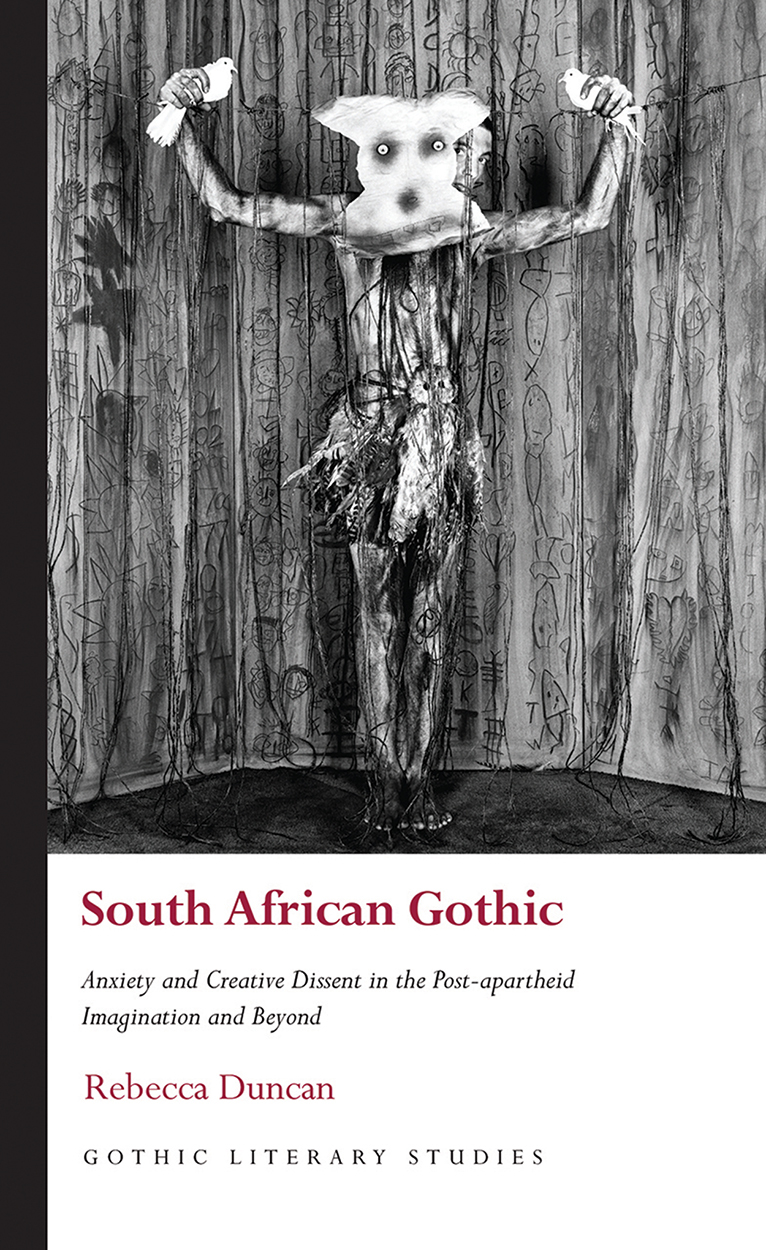
South African Gothic

Anxiety and Creative Dissent in the Post-apartheid Imagination and Beyond

2018

The term ‘Gothic’ has rarely been brought to bear on contemporary South African fictions, appearing too fanciful for the often overtly political writing of apartheid and post-apartheid South Africa. As the first sustained exploration of Gothic impulses in South African literature, this book accounts for the Gothic currents that run through South African imaginaries from the late-nineteenth century onwards. South African Gothic identifies an intensification in Gothic production that begins with the nascent decline of the apartheid state, and relates this to real anxieties that arise with the unfolding of social and political change. In the context of a South Africa unmaking and reshaping itself, Gothic emerges as a language for long-suppressed histories of violence, and for ongoing experiences at odds with utopian images of the new democracy. Its function is interrogative and ultimately creative, and the volume challenges narrow conceptions of the status quo to drive towards alternative, less exclusionary visions.
Minerva's Gothics book cover
#34

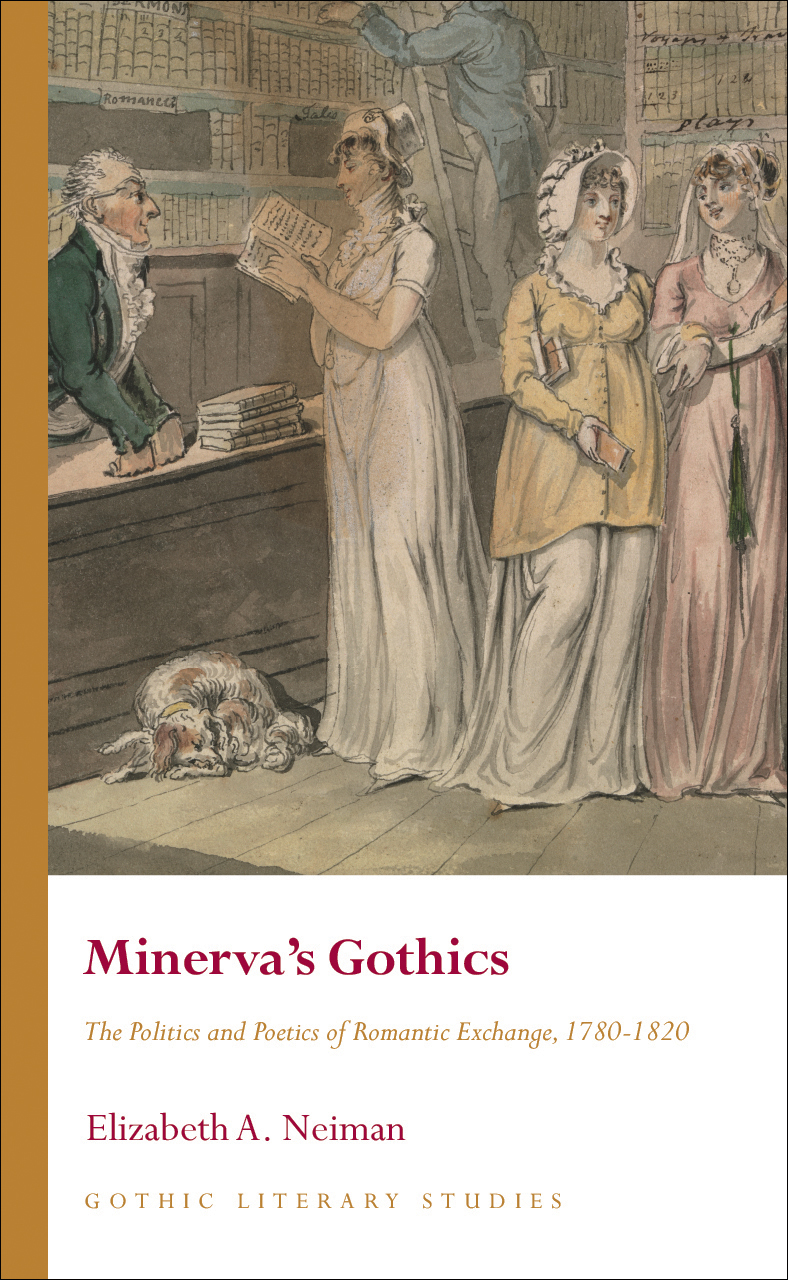
Minerva's Gothics

The Politics and Poetics of Romantic Exchange, 1780-1820

2019

Between 1790 and 1820, William Lane’s Minerva Press published an unprecedented number of new novels by female authors. Reading these novels for their shared popular conventions demonstrates that circulating-library novelists collectively recirculate, engage and modify commonplaces about women’s nature, the social order and, most importantly, the very same Romantic redefinitions of literature that still render their novels not worth reading. Elizabeth Neiman’s analysis shows that Minerva novelists write and authorize a collaborative authorial model, and that this model reverberates in Romantic poetics—most notably, Percy Shelley’s portrayal of the idealized poet in A Defence of Poetry .
Gothic Remains book cover
#36

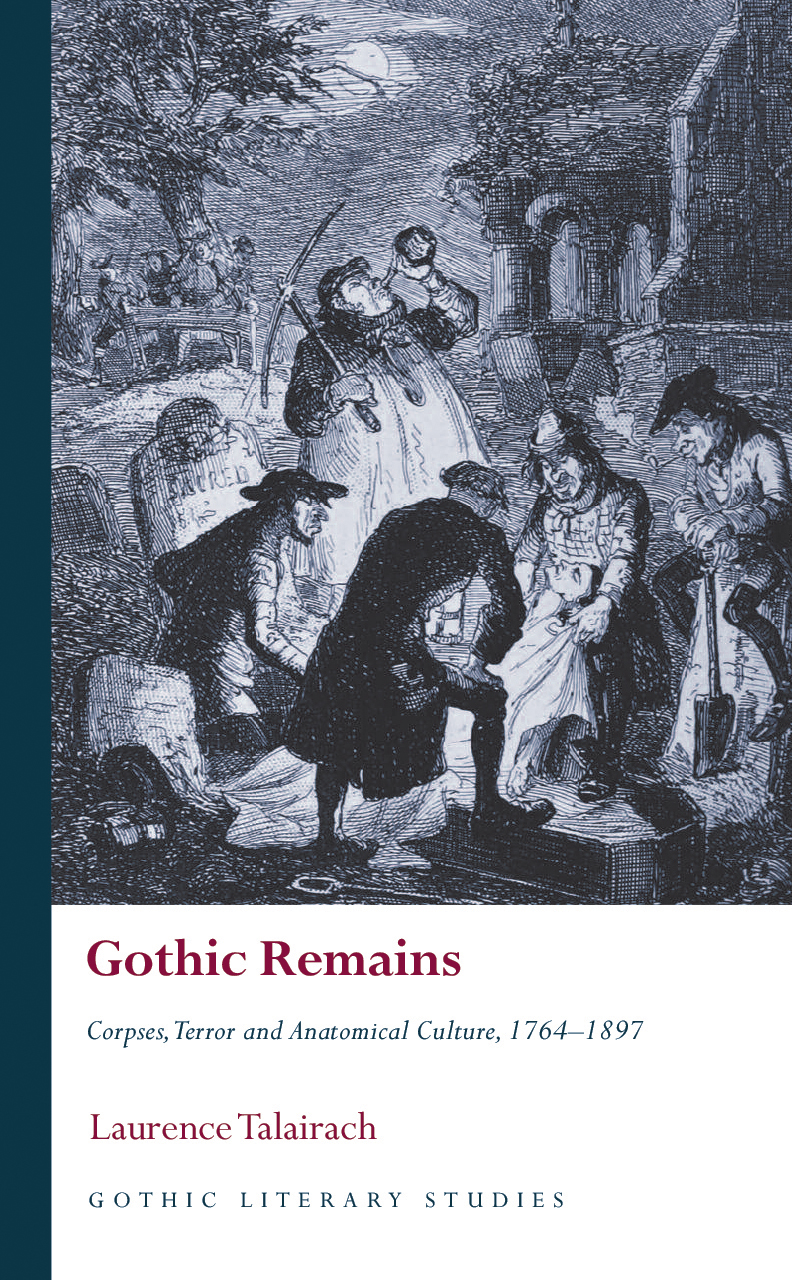
Gothic Remains

Corpses, Terror and Anatomical Culture, 1764–1897

2019

The Gothic has always been fascinated with objects carrying with them a sense of horror – the decomposing body, the rigid corpse, the bleeding statue, the spectral skeleton – capable of creating a sublime form of beauty. Gothic Corpses, Terror and Anatomical Culture, 1764–1897 offers an exploration of those Gothic tropes and conventions that were most thoroughly steeped in the anatomical culture of the period – from skeletons, used to understand human anatomy, to pathological human remains exhibited in medical museums; from bodysnatching aimed at providing dissection subjects, to live-burials resulting from medical misdiagnoses and pointing to contemporary research into the signs of death. The historicist reading of canonical and less-known Gothic texts proposed throughout Gothic Remains, explored through the prism of anatomy, seeks to offer new insights into the ways in which medical practice and the medical sciences informed the aesthetics of pain and death typically read therein, and the two-way traffic that emerged between medical literature and literary texts.
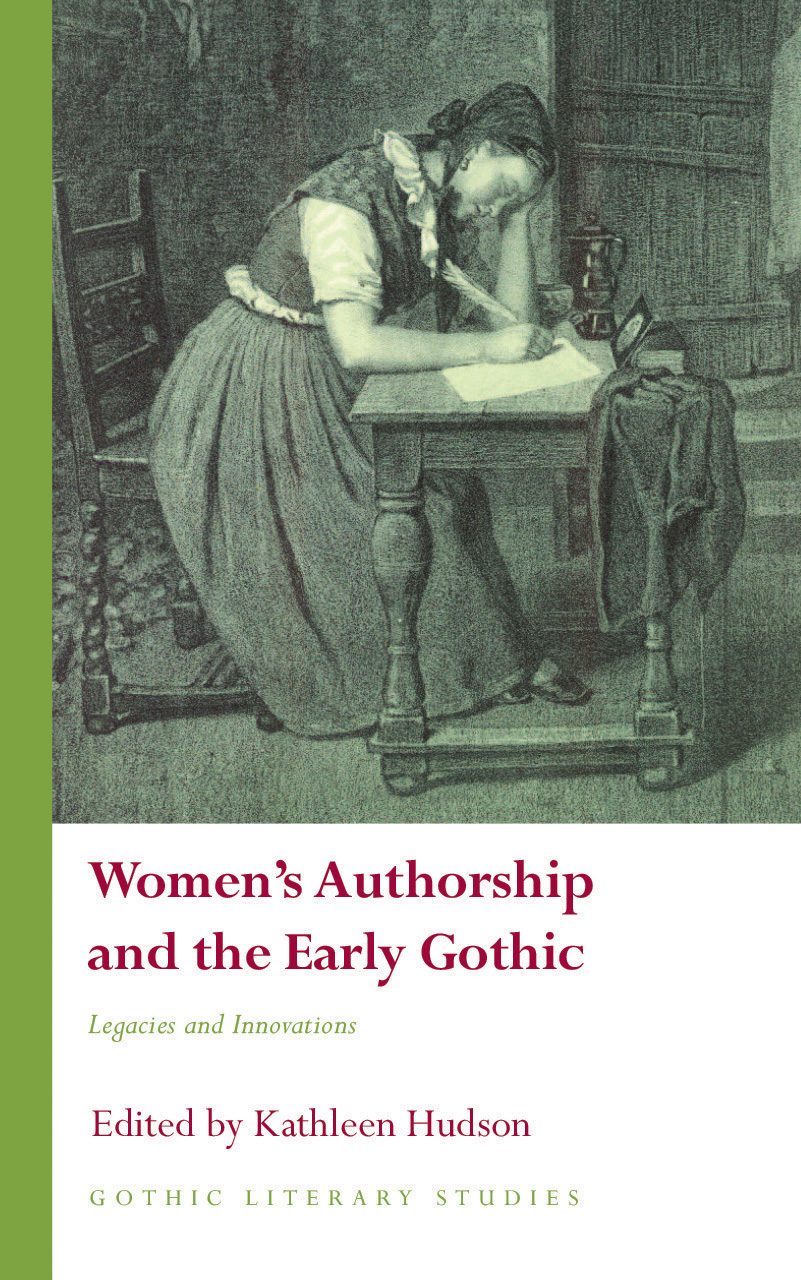
Women’s Authorship and the Early Gothic book cover
#37

Women’s Authorship and the Early Gothic

Legacies and Innovations

2020

This edited collection examines Gothic works written by women authors in the late eighteenth and early nineteenth centuries, with a specific focus on the novels and chapbooks produced by less widely commercially and critically popular writers. Bringing these authors to the forefront of contemporary critical examinations of the Gothic, chapters in this collection examine how these works impacted the development of ‘women’s writing’ and Gothic writing during this time. Offering readers an original look at the literary landscape of the period and the roles of the creative women who defined it, the collection argues that such works reflected a female-centred literary subculture defined by creative exchange and innovation, and one that still shapes perceptions of the Gothic mode today. This collection presents an alternative understanding of the legacy of women Gothic authors, anchoring this understanding in complex historical and social contexts and providing a new world of Gothic literature for readers to explore.
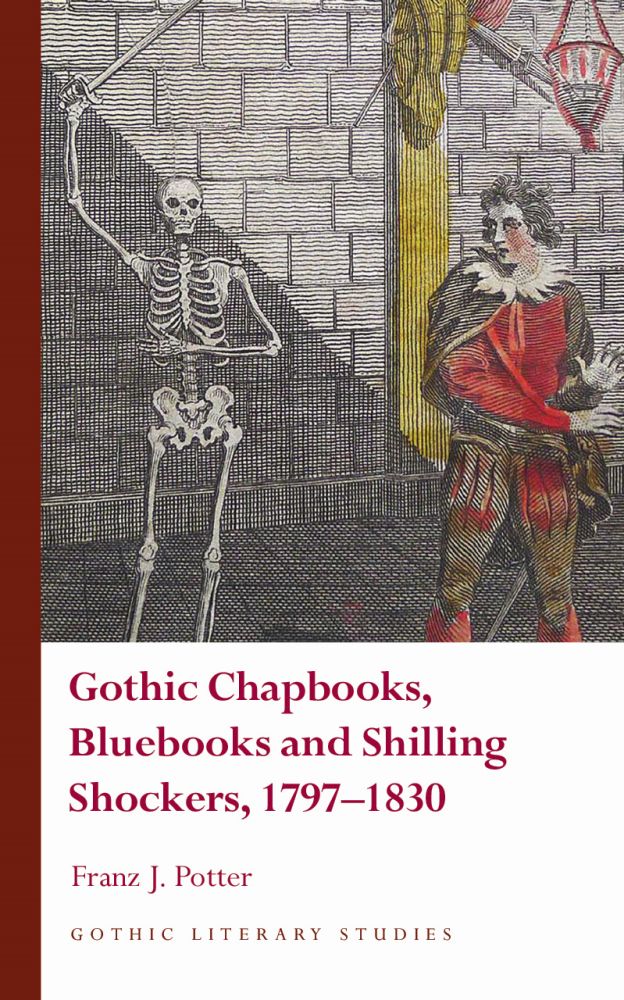
Gothic Chapbooks, Bluebooks and Shilling Shockers, 1797–1830 book cover
#38

Gothic Chapbooks, Bluebooks and Shilling Shockers, 1797–1830

2021

The Gothic Chapbook, Bluebook, and Shilling Shocker, 1797–1830 breaks new ground surveying the origins of the gothic chapbook, its publishers, and authors, in order to conclusively establish the impact these pamphlets had on the development of the gothic genre. Considered the illegitimate offspring of the gothic novel, the lowly chapbook flooded the marketplace in the late eighteenth century, creating a separate and distinct secondary market for tales of terror. The trade was driven by a handful of individuals who were booksellers and dealers, circulating library proprietors, stationers, and small publishers who produced well over four hundred chapbooks, bluebooks and shilling shockers containing gothic tales from magazines, redactions of popular novels, extractions of entire inset tales, and original tales of terror. This study responds to the urgent and pressing need to contextualize the gothic chapbook in ascertaining a more concise and comprehensive view of the entire gothic genre.

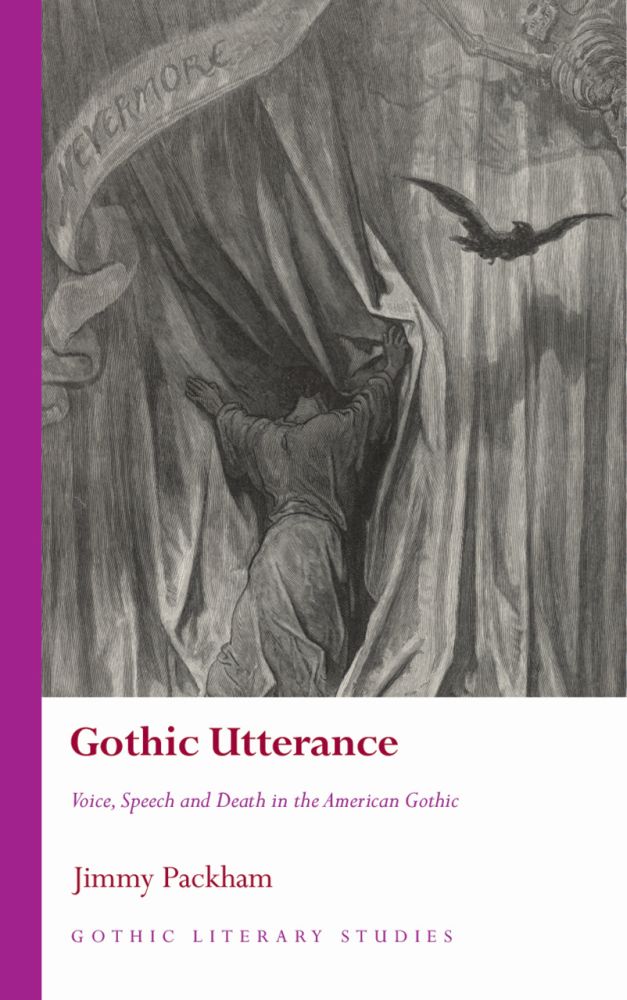
Gothic Utterance book cover
#39

Gothic Utterance

Voice, Speech and Death in the American Gothic

2021

In-depth analysis of the American Gothic and the utterances of marginalized voices. The Gothic has always been interested in strange utterances and unsettling voices, from half-heard ghostly murmurings to the terrible cries of the monstrous nonhuman. Gothic Utterance offers the first book-length study of the role such voices play in the Gothic tradition, exploring their prominence and importance in the literature produced in America between the Revolutionary War and the close of the nineteenth century. This book argues that the American Gothic foregrounds the overpowering effect and meaning of the voices of those on the margins of society, as well as the ethical charge of our encounter with such voices.
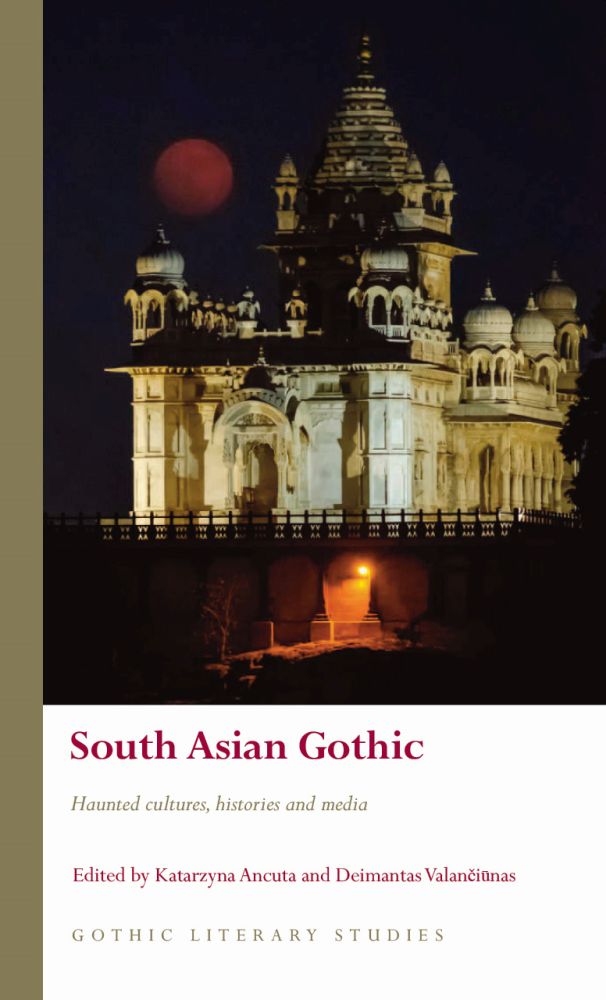
South Asian Gothic book cover
#43

South Asian Gothic

Haunted Cultures, Histories and Media

2021

A collection of scholarly articles on the manifestation of the Gothic in South Asian cultures. South Asian Gothic is the first attempt to theorize South Asia and its gothic production as a cultural landscape in its own right. The volume consists of fifteen scholarly articles that describe the many ways that the Gothic manifests in contemporary South Asian cultures. The Gothic in South Asia can be read as a distinctive aesthetic and narrative practice, as well as a process of signification where conventional gothic tropes and imagery are reappropriated, resisted, and transformed. The volume investigates the South Asian Gothic both as a local variety of international gothic, as well as a part of the transnational category of “globalgothic,” contributing to the ongoing discussion about the need to de-westernize gothic methodologies.
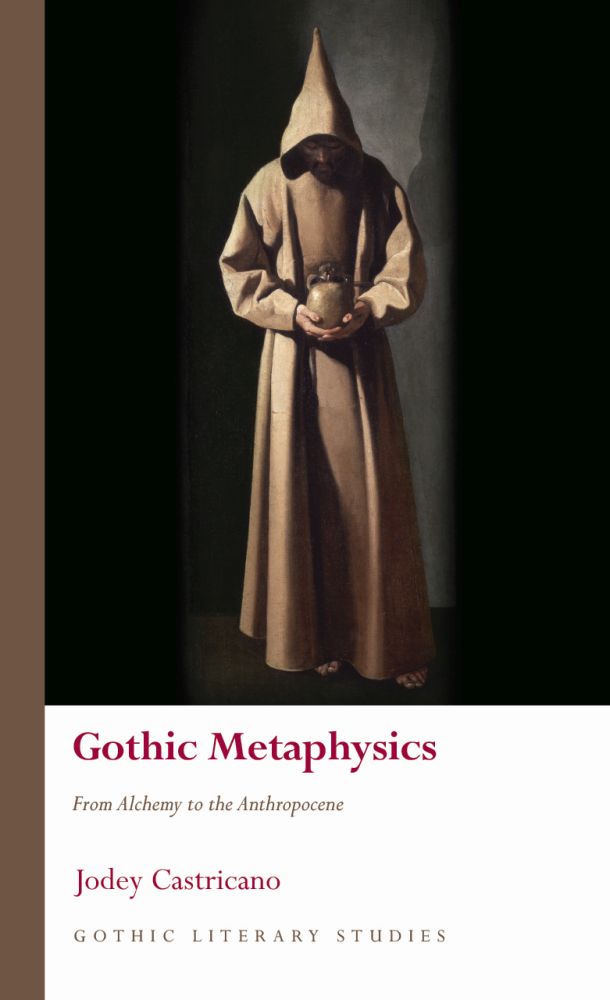
Gothic Metaphysics book cover
#44

Gothic Metaphysics

From Alchemy to the Anthropocene

2021

Rethinks Gothic literature in the time of the Anthropocene. Gothic Metaphysics is a radical departure from Freudian-centered criticism of Gothic literature. Since its inception in 1764, the Gothic has held space for a worldview that acknowledged a living, even sentient, cosmos. Although it was later deemed “uncanny” and anachronistic by Freud, Jodey Castricano argues that the Gothic can still offer us an alternative vision of reality. The book explores the ways in which Gothic literature can help us bring about a paradigm shift in our relation to the planet in the time of the Anthropocene. Taking the influence of the Middle Ages and psychoanalytic thought into account, Gothic Metaphysics is a multivalent exploration of how the Gothic has sustained the viewpoint of a sentient world in spite of modern rejection.
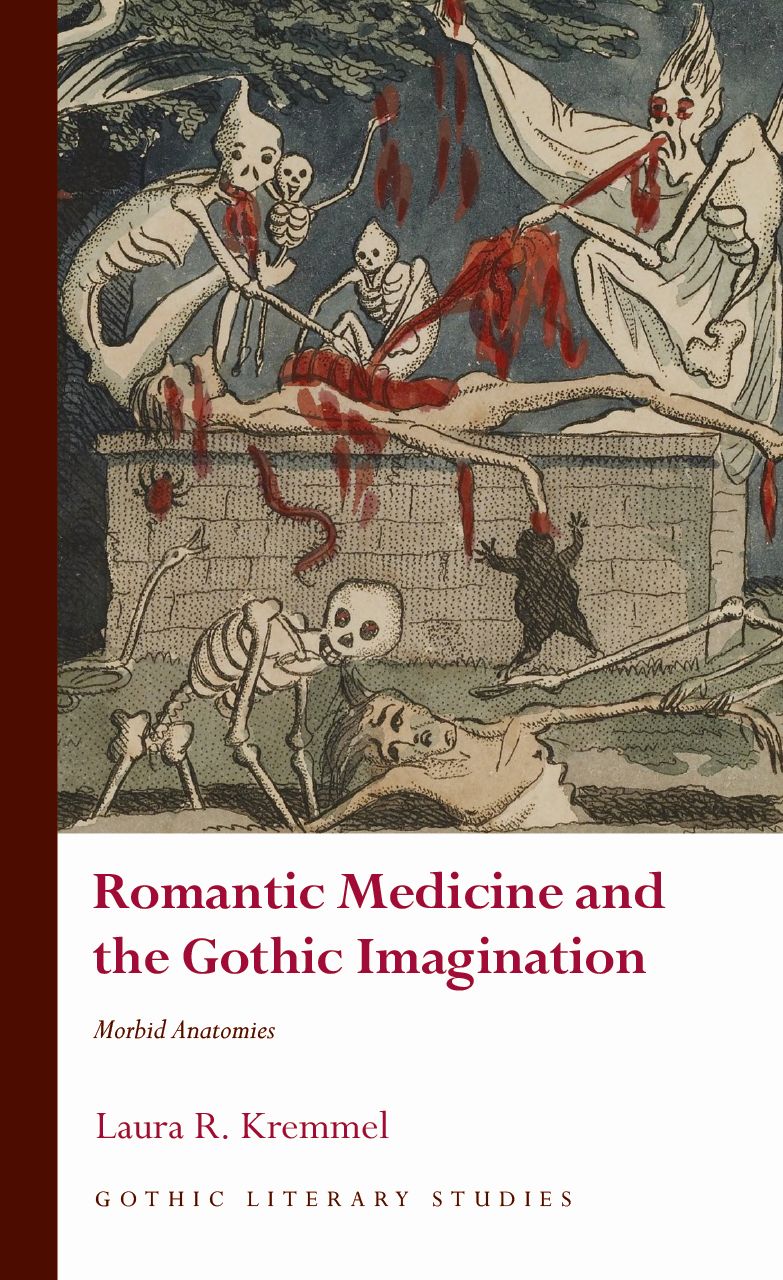
Romantic Medicine and the Gothic Imagination book cover
#45

Romantic Medicine and the Gothic Imagination

Morbid Anatomies

2022

An account of the intersection of the Gothic and the medical imaginations in the Romantic era. This book demonstrates a little-studied crossover between the Gothic imagination and the medical imagination in the Romantic period. Unafraid to explore the gore and uncertainty typical of medical experimentation, Laura R. Kremmel argues, Gothic novels, short stories, poetry, drama, and chapbooks expanded the possibilities of medical theories by showing what they might look like in a speculative space without limits. In comparing the Gothic’s collection of unsavory tropes to morbid anatomy’s collection of diseased organs, Kremmel shows that the Gothic’s prioritization of fear and gore gives it access to non-normative bodies, shifting medical and narrative agency to bodies considered powerless. Each chapter pairs a familiar gothic trope with a critical medical debate; the result is to give silenced bodies power over their own narratives.
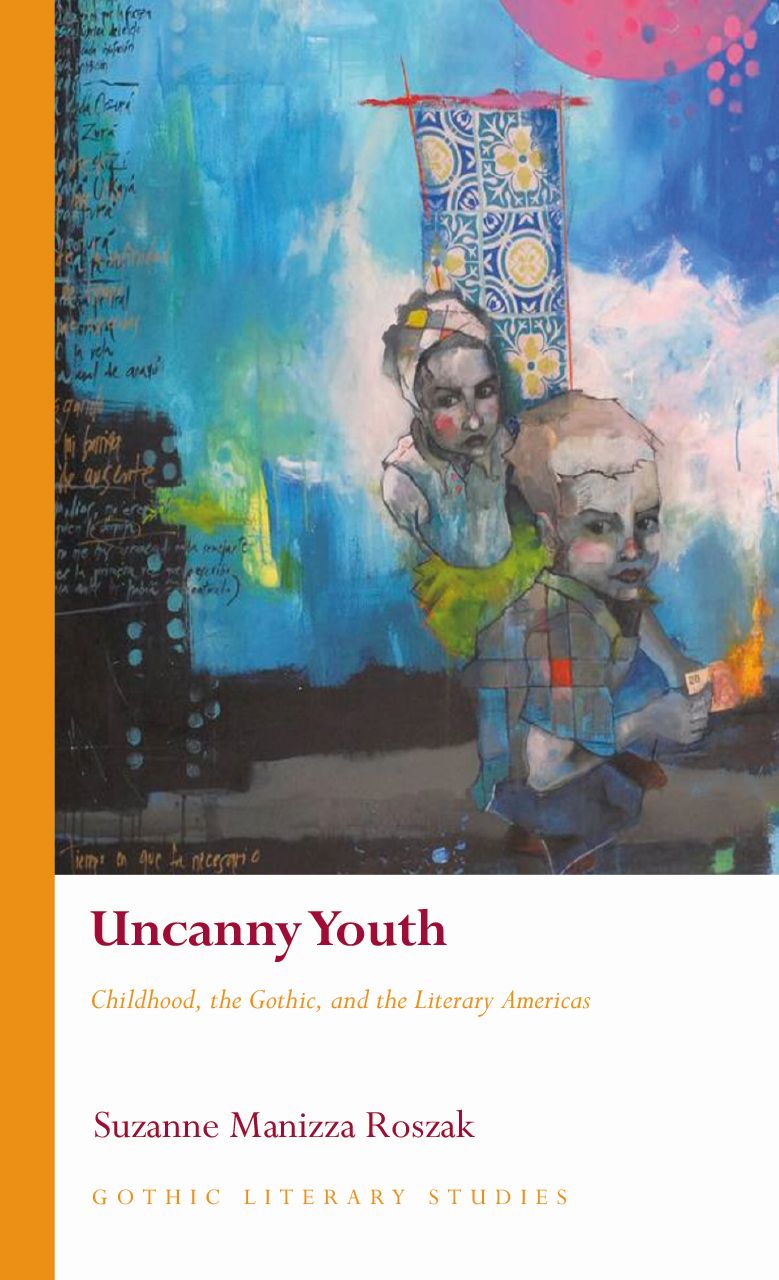
Uncanny Youth book cover
#47

Uncanny Youth

Childhood, the Gothic, and the Literary Americas

2022

A literary study of childhood in the American Gothic. Childhood in Gothic literature has often served colonialist, white supremacist, and patriarchal ideologies, but in Uncanny Youth, Suzanne Manizza Roszak highlights hemispheric American writers who subvert these scripts. In the hands of authors ranging from Octavio Paz and Maryse Condé to N. Scott Momaday and Tracey Baptiste, Gothic conventions critique systems of power in the Americas. As fictional children confront shifting configurations of imperialism and patterns of gendered, anti-queer violence, their uncanny stories call on readers to reckon with intersecting forms of injustice.
Middle Eastern Gothics book cover
#49

Middle Eastern Gothics

Literature, Spectral Modernities and the Restless Past

2022

A collection of studies on the Gothic in the Middle East and North Africa. This is the first collection to cover Gothic literature from the Middle East and North Africa, surveying each of the major Middle Eastern languages—Arabic, Hebrew, Persian, and Turkish. In these languages and contexts, the Gothic helps express ongoing literary negotiations with modernity, leaving its distinctive mark on representations of globalization, postcolonialism, and nationalism. At the same time, Middle Eastern literary texts expand the boundaries of the mode on their own terms, refracting broad histories through local and indigenous forms, figures, and narratives commonly associated with the Gothic.
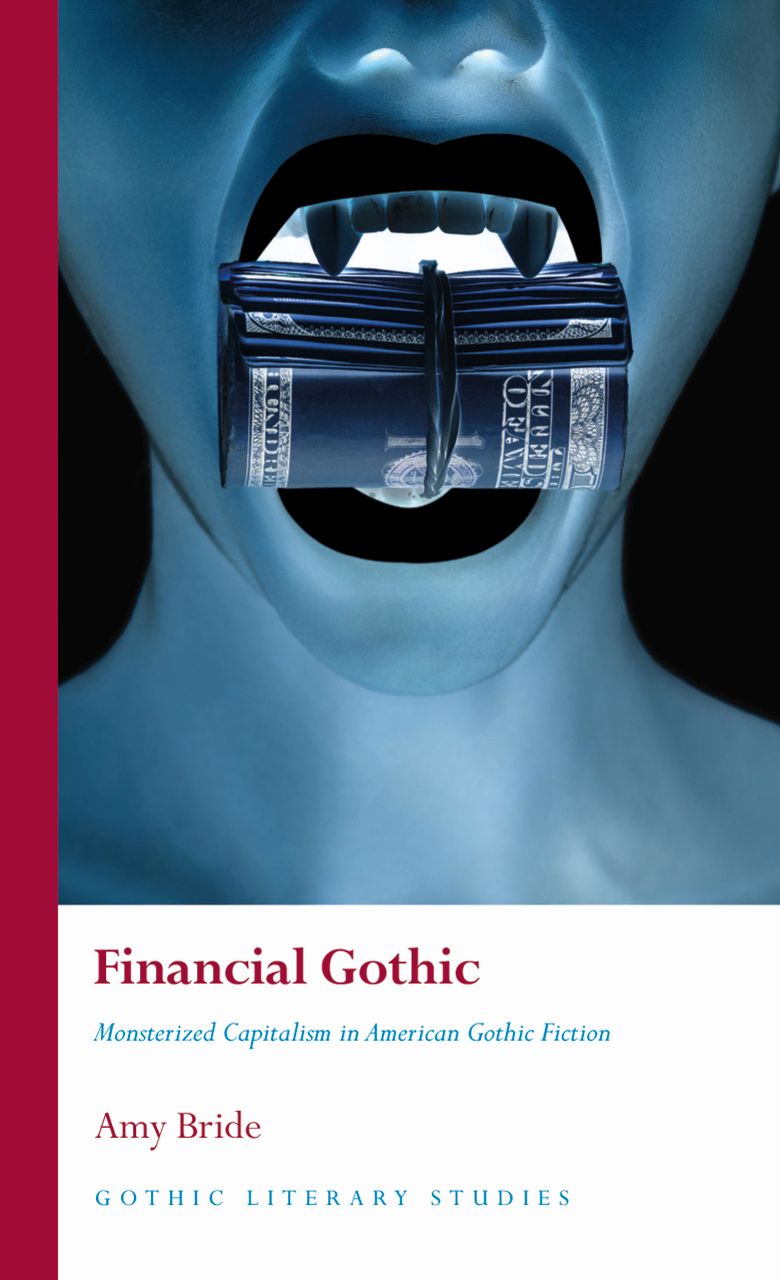
Financial Gothic book cover
#53

Financial Gothic

Monsterized Capitalism in American Gothic Fiction

2023

A new study of Gothic American fiction through the lens of capitalism. Financial Gothic reads Frankensteinian monsters, haunted houses, vampires, and zombies in American fiction and film as cultural responses to financial phenomena from 1886 to the present day. The study also considers the preexisting consensus on racial readings of American gothic fiction, and how these interpretations of the slave trade can be expanded upon in conversation with their financial contexts.
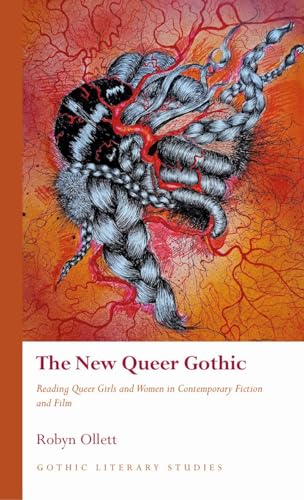
The New Queer Gothic book cover
#54

The New Queer Gothic

Reading Queer Girls and Women in Contemporary Fiction and Film

2024

Uses examples from film and literature to define a new genre of Queer Gothic literature and demonstrate how it was shaped by women writers. The New Queer Reading Queer Girls and Women in Contemporary Fiction and Film comprises literary, cultural, and film analysis to situate and define the New Queer Gothic as a product of woman-authored twentieth and twenty-first-century novels. The first in-depth analysis of contemporary queer and Gothic texts to focus on the subjectivity, characterization, and representation of queer girls and women, it investigates and celebrates the relationship between queer feminine identity and the Gothic, beyond purely paranoid readings. Using contemporary texts and theory, it focuses on the representation of queer girls and women in contemporary queer and Gothic texts. It includes original analyses of a selection of global film and fiction texts released in the past fifteen years.

Authors

David J. Jones
Author · 3 books

There is more than one author with this name David J. Jones, author of the best-selling Gothic Machine and editor of Dracula's Precursors, lectures on the M.A. Literature programme at the Open University, UK. He is also a prize-winning poet and magic lanternist and has exhibited his Phantasmagoria show at the Bram Stoker International Film Festival.

548 Market St PMB 65688, San Francisco California 94104-5401 USA
© 2026 Paratext Inc. All rights reserved
Gothic Literary Studies