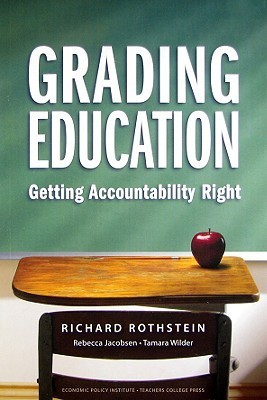
Grading Education
2008
First Published
3.39
Average Rating
280
Number of Pages
Yes, we should hold public schools accountable for effectively spending the vast funds with which they have been entrusted. But accountability policies like No Child Left Behind, based exclusively on math and reading test scores, have narrowed the curriculum, misidentified both failing and successful schools, and established irresponsible expectations for what schools can accomplish. Instead of just grading progress in one or two narrow subjects, we should hold schools accountable for the broad outcomes we expect from public education ―basic knowledge and skills, critical thinking, an appreciation of the arts, physical and emotional health, and preparation for skilled employment ―and then develop the means to measure and ensure schools’ success in achieving them. Grading Education describes a new kind of accountability plan for public education, one that relies on higher-quality testing, focuses on professional evaluation, and builds on capacities we already possess. This important resource:
Avg Rating
3.39
Number of Ratings
36
5 STARS
19%
4 STARS
28%
3 STARS
33%
2 STARS
11%
1 STARS
8%
goodreads
Author
Richard Rothstein
Author · 5 books
Richard Rothstein is a research associate of the Economic Policy Institute and a Fellow at the Thurgood Marshall Institute of the NAACP Legal Defense Fund. He lives in California, where he is a Fellow of the Haas Institute at the University of California–Berkeley.