Margins




548 Market St PMB 65688, San Francisco California 94104-5401 USA
© 2026 Paratext Inc. All rights reserved
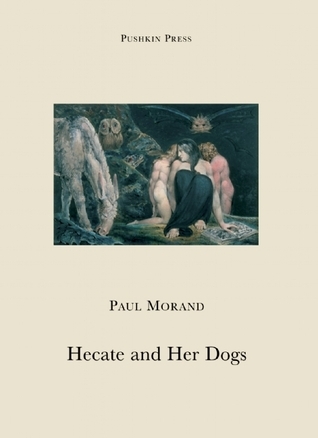
Hecate and Her Dogs, set in the 1920s, is the story of a love affair which turns into a nightmare. The narrator, sent to an African country to run a branch of a large French bank, begins a liaison with Clotilde, only to discover in her unexpected and shocking depths of perversity. Tense and bleak, Hecate and Her Dogs is a novella of high literary quality and disconcerting power. This elegant novella of disturbing eroticism was the book with which Morand returned triumphantly to the literary scene in 1954. Paul Morand’s Venices and The Allure of Chanel are also available from Pushkin Press. Pushkin Collection editions feature a spare, elegant series style and superior, durable components. The Collection is typeset in Monotype Baskerville, litho-printed on Munken Premium White Paper and notch-bound by the independently owned printer TJ International in Padstow. The covers, with French flaps, are printed on Colorplan Pristine White Paper. Both paper and cover board are acid-free and Forest Stewardship Council (FSC) certified.