Margins




548 Market St PMB 65688, San Francisco California 94104-5401 USA
© 2026 Paratext Inc. All rights reserved
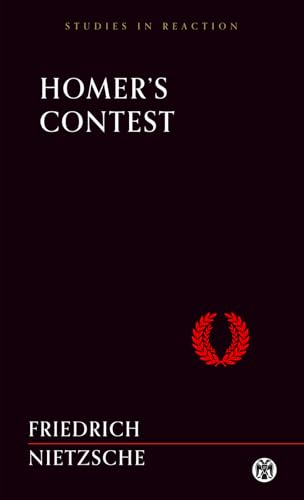
This book brings together five of Nietzsche’s early writings, all driven by a powerful reaction against modern ideas of truth, equality, and progress. In Homer’s Contest and The Greek State, Nietzsche argues that culture and the state were not born from reason or justice, but from struggle, domination, and noble rivalry. On Theognis of Megara mourns the downfall of an older moral order, where the best men ruled and virtue was tied to lineage and strength. On Truth and Falsity in their Ultramoral Sense challenges the belief in objective truth, showing how language and knowledge are shaped by power and need, not by reality. At the centre, Philosophy in the Tragic Age of the Greeks presents the first philosophers not as quiet thinkers, but as bold, tragic figures confronting a chaotic world. Together, these works reject the democratic and rationalist assumptions of modernity, offering instead a vision rooted in hierarchy, myth, and heroic conflict.