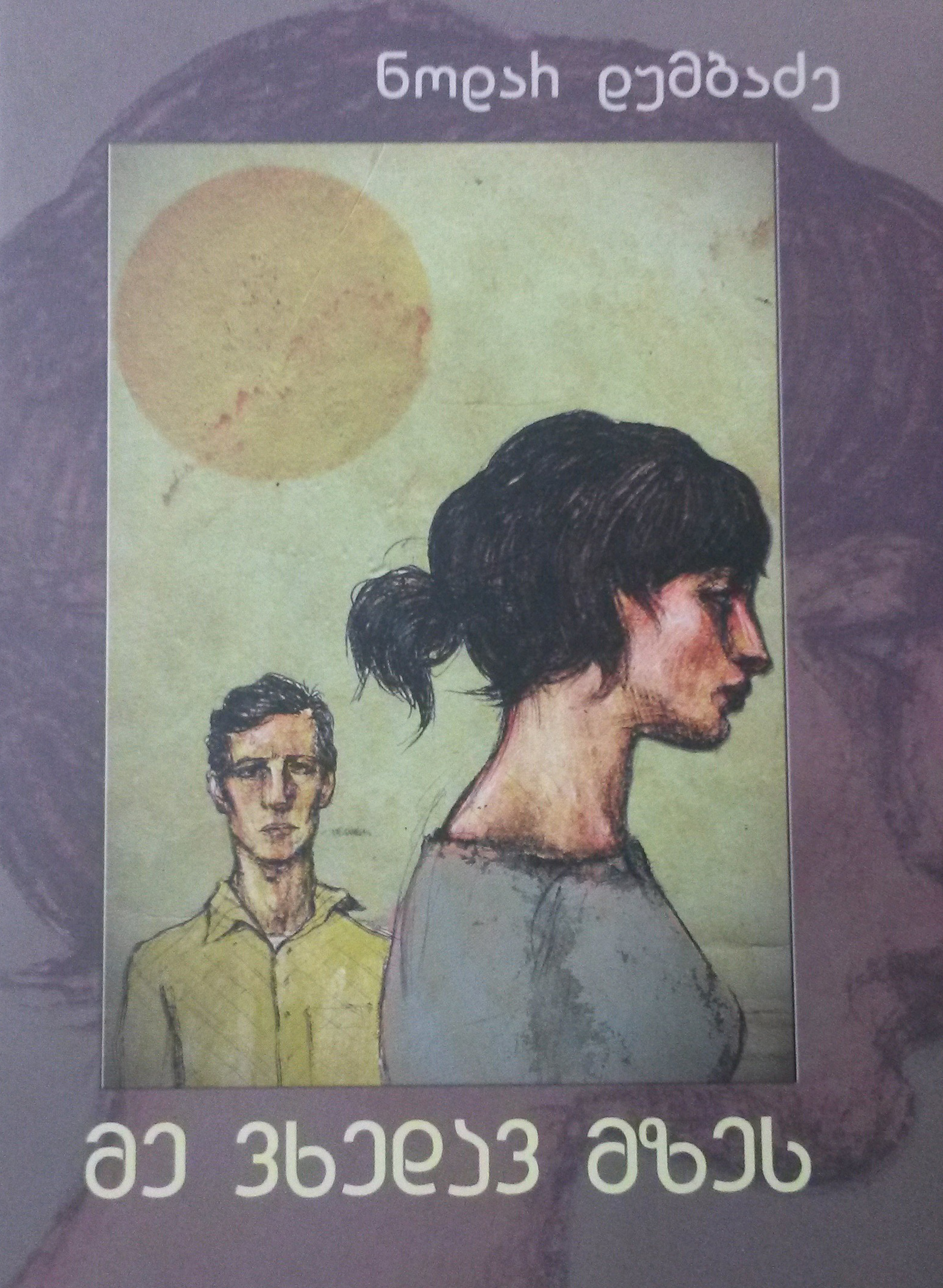
Khatia's hair is like a golden crown. Her face is as beautiful as her soul. But her lovely blue eyes cannot see the sky, for she is blind. She can only see the sun. And she knows she can see her best friend, Sosoya Mamaladze, who belives that this is just as promising as being able to see the sun. I See the Sun by Nodar Dumbadze is a book about youth, young love and true friendship. The people in the book come from a far-away little village in Georgia. There is much they can tell the reader about the grief that war brings and the joy of victory. To them the happiness of seeing the sun is not a well-turned phrase but a very real joy of being able to breathe freely in a free land.
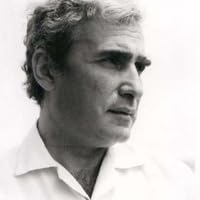
Author

Nodar Dumbadze (July 14, 1928 – September 4, 1984) was a Georgian writer and one of the most popular authors in the late 20th-century Georgia. Born in Tbilisi, he graduated from the Faculty of Law at Tbilisi State University in 1950. The same year, his first poems and humorous stories appeared in the Georgian press. He edited the satirical magazine Niangi from 1967 until 1972 when he became a secretary of the Union of Georgian Writers and a member of the presidium of the Union of Soviet Writers in 1972. Most of his fame came through his novels Me, Grandma, Iliko and Ilarioni (1960), I Can See the Sun (1962), A Sunny Night (1967), Don’t Be Afraid, Mother! (1971), The White Banners (1973), and The Law of Eternity (1978). His works are remarkable for simplicity and lyricism of the prose, humor, and melancholy coupled with optimism. He was awarded the Shota Rustaveli State Prize in 1975 and the Lenin Prize in 1980. Most of his major works have been dramatized and/or filmed. He died in Tbilisi and was buried there, at the Children’s Town "Mziuri" founded by him.