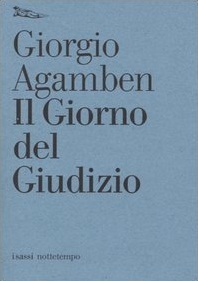
Nei due brevi testi che compongono questo volumetto, l’autore prova a guardare per un attimo il mondo come apparirebbe nell’ultimo giorno, nel Giorno del Giudizio. A compiere questo miracolo è, nel primo testo, la fotografia, una foto qualunque che mostra il volto di una sconosciuta, una strada, o dei personaggi famosi. La fotografia è, in questo senso, il luogo di un Giudizio Universale, essa ci rivolge un’esigenza a cui non possiamo sottrarci. Il volto di quella sconosciuta esige il suo nome, esige che noi ci ricordiamo di lei. Nel secondo testo, la stessa esigenza è affidata a quei personaggi minori che già sempre dimentichiamo, gli “aiutanti” dei romanzi di Kafka o il grillo parlante in Pinocchio, o a quegli oggetti perduti, come lo slittino Rosebud nel film di Orson Welles, che non servono a niente e che tuttavia testimoniano di qualcosa a cui non possiamo rinunciare. Una breve, folgorante meditazione sulla memoria e sull’oblio, su quel che si perde e quel che si salva. Con cinque fotografie di Mario Dondero e un dagherrotipo.
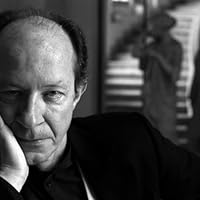
Author

Giorgio Agamben is one of the leading figures in Italian and contemporary continental philosophy. He is the author of Homo Sacer: Sovereign Power and Bare Life; Remnants of Auschwitz: The Witness and the Archive; Profanations; The Signature of All Things: On Method, and other books. Through the 1970s, 1980s, and early 1990s he treated a wide range of topics, including aesthetics, literature, language, ontology, nihilism, and radical political thought. In recent years, his work has had a deep impact on contemporary scholarship in a number of disciplines in the Anglo-American intellectual world. Born in Rome in 1942, Agamben completed studies in Law and Philosophy with a doctoral thesis on the political thought of Simone Weil, and participated in Martin Heidegger’s seminars on Hegel and Heraclitus as a postdoctoral scholar. He rose to international prominence after the publication of Homo Sacer in 1995. Translated into English in 1998, the book’s analyses of law, life, and state power appeared uncannily prescient after the attacks on New York City and Washington, DC in September 2001, and the resultant shifts in the geopolitical landscape. Provoking a wave of scholarly interest in the philosopher’s work, the book also marked the beginning of a 20-year research project, which represents Agamben’s most important contribution to political philosophy.