Authors
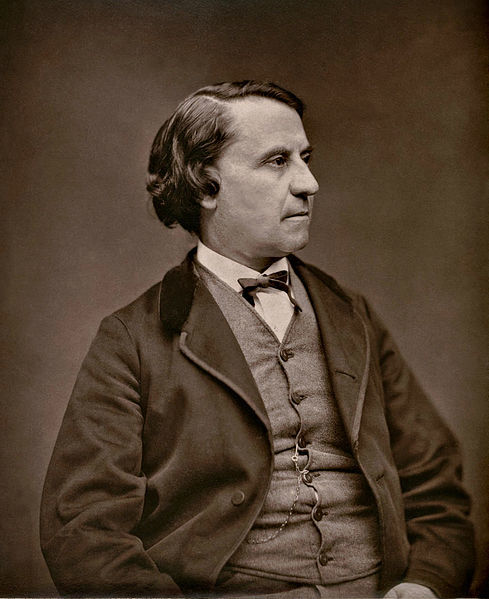
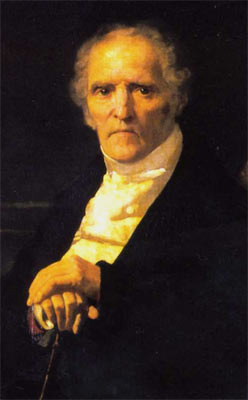
Louis Jean Joseph Charles Blanc (1811-1882) was a French politician and historian. A socialist who favored reforms, he called for the creation of cooperatives in order to guarantee employment for the urban poor. Following the Revolution of 1848, Blanc became a member of the provisional government and began advocating for cooperatives which would be initially aided by the government but ultimately controlled by the workers themselves. Blanc's advocacy failed and caught between radical worker tendencies and the National Guard he was forced into exile. Blanc returned to France in 1870, shortly before the conclusion of the Franco-Prussian war and served as a member of the National Assembly. While he did not support the Paris Commune, Blanc successfully proposed amnesty to the Communards. Although Blanc's ideas of the workers' cooperatives were never realized, his political and social ideas greatly contributed to the development of socialism in France.
Félicité de La Mennais (ou Lamennais) est un prêtre catholique, écrivain, philosophe et homme politique français. Félicité Robert de La Mennais (or Lamennais) was a French Catholic priest, philosopher, political theorist and writer. (Source:Wikipedia.org)
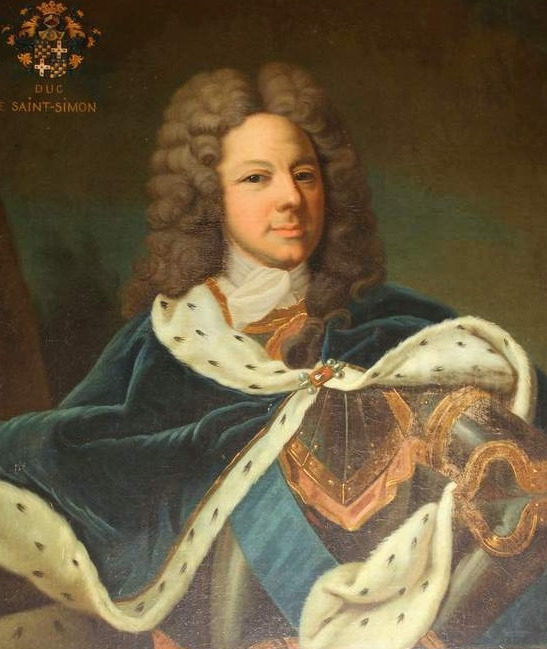
French diplomat Louis de Rouvroy with title of duc de Saint-Simon wrote memoirs, a valuable historical source, of the court of Louis XIV. This grandee served as a soldier. A mother bore him at the Hôtel Selvois, 6 Rue Taranne, demolished in 1876 to make way for the Boulevard Saint-Germain. His enormous classic of literature give the fullest and most lively account at Versailles of the Régence at the start of reign. https://en.wikipedia.org/wiki/Louis_d...
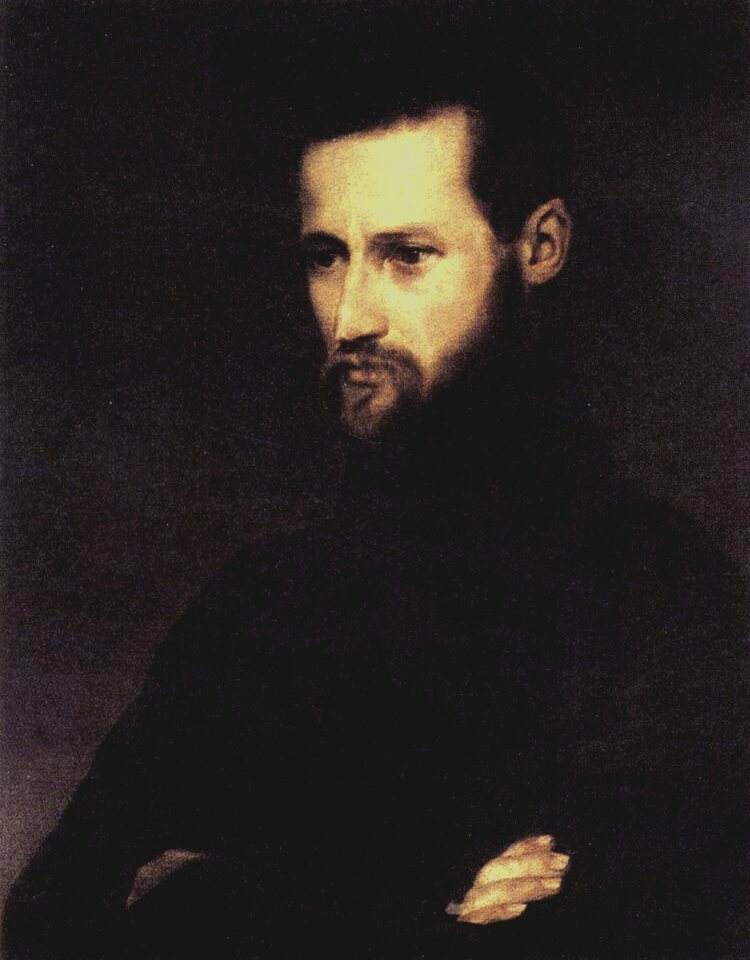
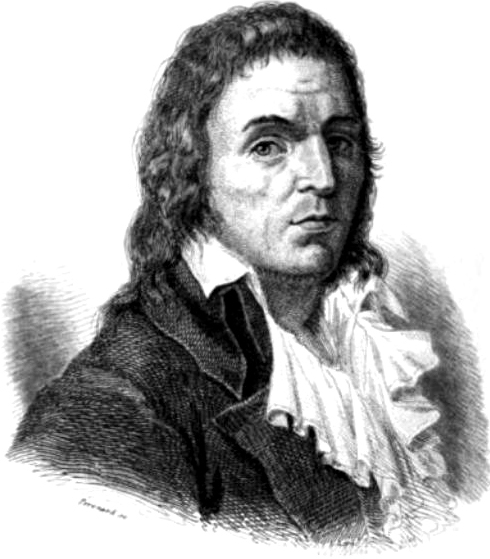
François-Noël Babeuf, known as Gracchus Babeuf, was a French political agitator and journalist of the French Revolutionary period. His newspaper Le tribun du people ("the tribune of the people") was best known for his advocacy for the poor and calling for a popular revolt against the Directory, the government of France. He was a leading advocate for democracy, the abolition of private property and the equality of results. He angered the authorities who were clamping down hard on their radical enemies. In spite of the efforts of his Jacobin friends to save him, Babeuf was executed for his role in the Conspiracy of the Equals. The "Gracchus" nickname likened him to the ancient Roman tribunes of the people. Although the words "anarchist" and "communist" did not exist in Babeuf's lifetime, they have both been used to describe his ideas, by later scholars. The word "communism" was coined by Goodwyn Barmby in a conversation with those he described as the "disciples of Babeuf". He has been called "The First Revolutionary Communist."