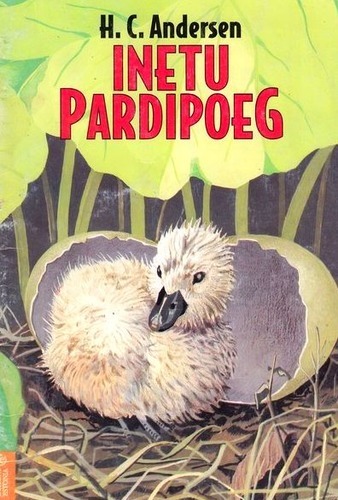



Klassikaline muinasjutt kaasegses tõlkes: «Jah, me ei mõista sind, kes peakski sind mõistma? Sa pole ju targem ei eidest ega kassist, rääkimata minust. Ära mängi lolli, lapsuke, ja täna oma loojat sellegi hea eest, mis ta sulle andnud on. Kas sa pole siis jõudnud sooja tuppa ja seltskonda, kellelt sul on midagi õppida? Kuid sa oled üks õnnetusehunnik, ja sinuga pole kuigi meeldiv läbi käia. Mind võid sa uskuda, ma suhtun sinusse hästi, ma ütlen sulle ebameeldivusi, aga just sellest tuntakse oma tõelisi sõpru. Vaata, et sa hakkad nüüd munema ja õpid nurruma või sädemeid pilduma.» (Kana õpetussõnad pardipojale)
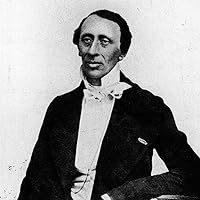
Author

Hans Christian Andersen (often referred to in Scandinavia as H.C. Andersen) was a Danish author and poet. Although a prolific writer of plays, travelogues, novels, and poems, Andersen is best remembered for his fairy tales. Andersen's popularity is not limited to children; his stories—called eventyr, or "fairy-tales" — express themes that transcend age and nationality. Andersen's fairy tales, which have been translated into more than 125 languages, have become culturally embedded in the West's collective consciousness, readily accessible to children, but presenting lessons of virtue and resilience in the face of adversity for mature readers as well. Some of his most famous fairy tales include "The Little Mermaid", "The Ugly Duckling", "The Nightingale", "The Emperor's New Clothes" and many more. His stories have inspired plays, ballets, and both live-action and animated films.