Margins
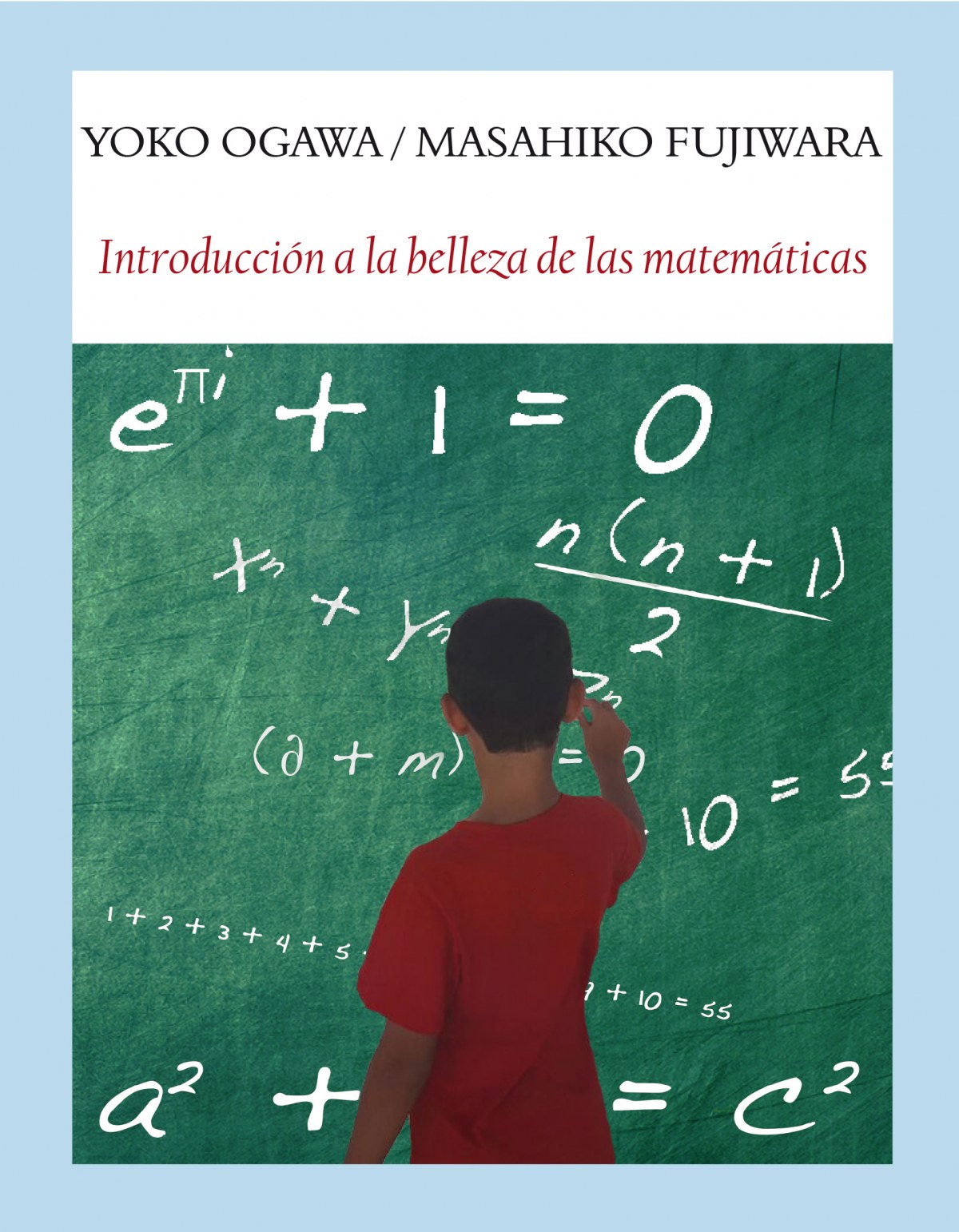
Introducción a la belleza de las matemáticas book cover
Introducción a la belleza de las matemáticas
2005
First Published
3.88
Average Rating
193
Number of Pages
Tras el éxito de la novela La fórmula preferida del profesor, Yoko Ogawa recoge en este libro una serie de conversaciones sobre el mundo de las matemáticas con el profesor y divulgador Masahiko Fujiwara. Estas conversaciones trazan un recorrido lúdico por la disciplina y por las vidas de ilustres matemáticos. Siguiendo la charla, conoceremos a genios apasionados que, a pesar de las dificultades, se convirtieron en grandes matemáticos y forman ya parte de la historia de la disciplina. Como, por ejemplo, el gran Ramanujan (quien, sumido en la pobreza, estudiaba matemáticas en las calles de su India natal con una tiza y una pizarra como únicos instrumentos) o el británico Alan Turing, que sentó las bases del ordenador moderno. Este libro en forma de conversación permitirá al lector entender la estrecha relación que existe entre la idea de belleza y las relaciones numéricas, entre la estética y la matemática, y nos permitirá comprender aquello que de verdad constituye el corazón mismo de este apasionante campo que inspiró la célebre novela de Yoko Ogawa: La fórmula preferida del profesor.

Avg Rating
3.88
Number of Ratings
32
5 STARS
13%
4 STARS
63%
3 STARS
25%
2 STARS
0%
1 STARS
0%
goodreads

Authors

Yoko Ogawa
Yoko Ogawa
Author · 34 books

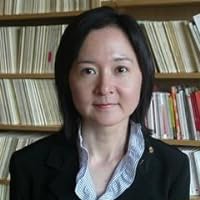
Yōko Ogawa (小川 洋子) was born in Okayama, Okayama Prefecture, graduated from Waseda University, and lives in Ashiya. Since 1988, she has published more than twenty works of fiction and nonfiction. Her novel The Professor and his Beloved Equation has been made into a movie. In 2006 she co-authored „An Introduction to the World's Most Elegant Mathematics“ with Masahiko Fujiwara, a mathematician, as a dialogue on the extraordinary beauty of numbers. A film in French, "L'Annulaire“ (The Ringfinger), directed by Diane Bertrand, starring Olga Kurylenko and Marc Barbé, was released in France in June 2005 and subsequently made the rounds of the international film festivals; the film, some of which is filmed in the Hamburg docks, is based in part on Ogawa's "Kusuriyubi no hyōhon“ (薬指の標本), translated into French as "L'Annulaire“ (by Rose-Marie Makino-Fayolle who has translated numerous works by Ogawa, as well as works by Akira Yoshimura and by Ranpo Edogawa, into French). Kenzaburō Ōe has said, 'Yōko Ogawa is able to give expression to the most subtle workings of human psychology in prose that is gentle yet penetrating.' The subtlety in part lies in the fact that Ogawa's characters often seem not to know why they are doing what they are doing. She works by accumulation of detail, a technique that is perhaps more successful in her shorter works; the slow pace of development in the longer works requires something of a deus ex machina to end them. The reader is presented with an acute description of what the protagonists, mostly but not always female, observe and feel and their somewhat alienated self-observations, some of which is a reflection of Japanese society and especially women's roles within in it. The tone of her works varies, across the works and sometimes within the longer works, from the surreal, through the grotesque and the—sometimes grotesquely—humorous, to the psychologically ambiguous and even disturbing.

548 Market St PMB 65688, San Francisco California 94104-5401 USA
© 2026 Paratext Inc. All rights reserved