


Margins
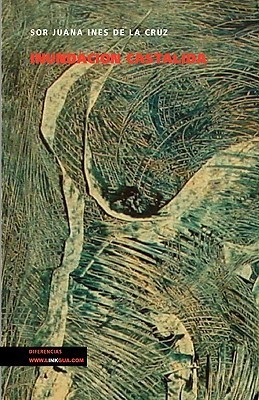
Inundación Castalida (Anotado) book cover
Inundación Castalida (Anotado)
1995
First Published
3.97
Average Rating
360
Number of Pages

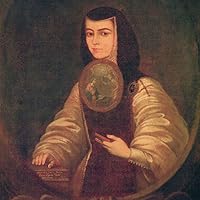
Sor Juana Inés de la Cruz (1651 - 1695) fue una religiosa de la Orden de San Jerónimo y escritora novohispana, exponente del Siglo de Oro de la literatura en español. Cultivó la lírica, el auto sacramental y el teatro, así como la prosa. Por la importancia de su obra, recibió los sobrenombres de «el Fénix de América», «la Décima Musa» o «la Décima Musa mexicana». Sor Juana Inés de la Cruz ocupó, junto con Juan Ruiz de Alarcón y Carlos de Sigüenza y Góngora, un destacado lugar en la literatura novohispana. En el campo de la lírica, su trabajo se adscribe a los lineamientos del barroco español en su etapa tardía. La producción lírica de Sor Juana, que supone la mitad de su obra, es un crisol donde convergen la cultura de una Nueva España en apogeo, el culteranismo de Góngora y la obra conceptista de Quevedo a Calderón. La obra dramática de sor Juana va de lo religioso a lo profano. Sus obras más destacables en este género son Amor es más laberinto, Los empeños de una casa y una serie de autos sacramentales concebidos para representarse en la corte La primera edición de esta recopilación de obras sueltas de Sor Juana se publicó en 1689, bajo la entusiasta protección de la gran amiga de la monja, María Luisa Manrique de Lara, Marquesa de la Laguna, la grande y querida amiga de Sor Juana, y sería ella quien vigilaría los detalles de la presentación y composición del libro, y quien seguramente pagó la edición; es de suponer que seguiría los deseos que le comunicó la poetisa antes de que la marquesa abandonara México.
Avg Rating
3.97
Number of Ratings
32
5 STARS
31%
4 STARS
38%
3 STARS
28%
2 STARS
3%
1 STARS
0%
goodreads

Author

Juana Ines de la Cruz
Author · 36 books
Juana Inés de la Cruz was born in a town in the Valley of Mexico to a Creole mother Isabel Ramírez and a Spanish military father, Pedro Manuel de Asbaje. As a child, she learned Nahuatl (Uto-Aztec language spoken in Mexico and Central America) and read and write Spanish in the middle of three years. Thanks to her grandfather's lush library, Juana Inés de la Cruz read the Greek and Roman classics and the theology of the time, she learned Latin in a self-taught way. In 1665, admired for her talent and precocity, she was lady-in-waiting to Leonor Carreto, wife of Viceroy Antonio Sebastián de Toledo. Sponsored by the Marquises of Mancera, she shone in the viceregal court of New Spain for her erudition and versifying ability. In 1667, Juana Inés de la Cruz entered a convent of the Discalced Carmelites of Mexico but soon had to leave due to health problems. Two years later she entered the Order of St. Jerome, remaining there for the rest of her life and being visited by the most illustrious personalities of the time. She had several drawbacks to her activity as a writer, a fact that was frowned upon at the time and that Juana Inés de la Cruz always defended, claiming the right of women to learn. Shortly before her death, she was forced by her confessor to get rid of her library and her collection of musical and scientific instruments so as not to have problems with the Holy Inquisition, very active at that time. She died of a cholera epidemic at the age of forty-three, while helping her sick companions. The emergence of Sor Juana De La Cruz in the late seventeenth century was a cultural miracle and her whole life was a constant effort of stubborn personal and intellectual improvement.
548 Market St PMB 65688, San Francisco California 94104-5401 USA
© 2026 Paratext Inc. All rights reserved