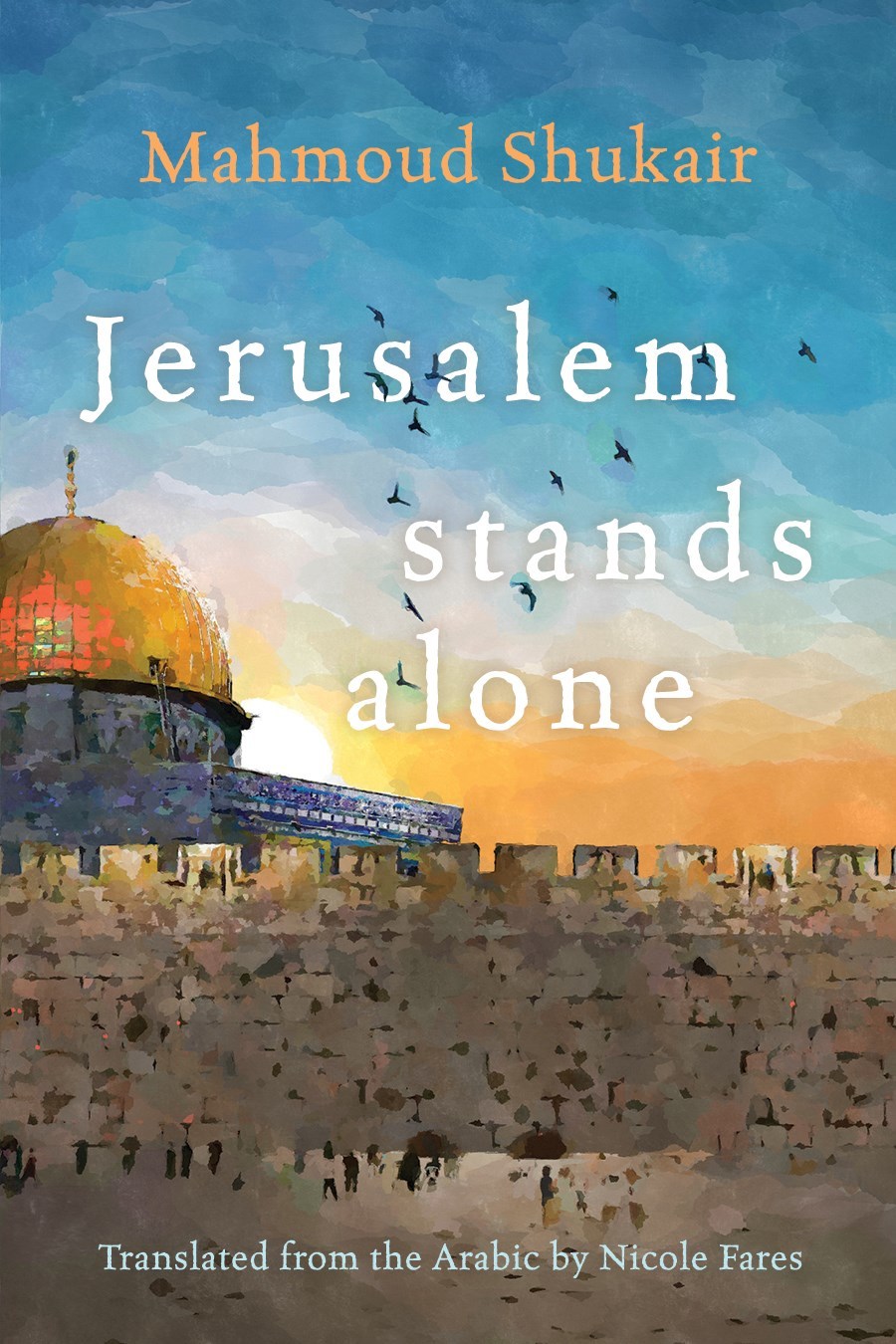



By turns bleak, nostalgic, and lighthearted, Jerusalem Stands Alone explores the interconnected lives of its mostly Palestinian cast. This series of quick moving vignettes tells the story of occupied Jerusalem—tales of the daily tribulations and personal revelations of its narrators. The stories, entwined around themes of family and identity, diverge in viewpoint and chronology but ultimately unite to reveal the tapestry of Palestinian Jerusalem. The settings evoke the past—churches, alleys, and people who are gone but whose spirits yearn to be remembered. The characters are sons and mothers, soldiers and wives, all of whom unveil themselves in sometimes poignant, sometimes bittersweet memories. As its history rises up through the present struggles and hopes of its people, the deepest, most personal layers of Jerusalem are revealed.
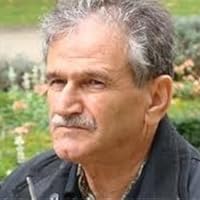
Author

Mahmoud Shukair (born 1941) is a Palestinian writer. He was born in Jabal al-Mukabbar in Jerusalem and studied philosophy and sociology at Damascus University. He was jailed twice by the Israeli authorities, and was deported to Lebanon in 1975. After living for 18 years in Beirut, Amman and Prague, he returned to Jerusalem in 1993. He worked for many years in teaching and journalism, and served as editor-in-chief of the cultural magazines Al-Talia'a (The Vanguard) and Dafatir Thaqafiya (Cultural File). He also occupied senior positions in the Jordanian Writers' Union, the Union of Palestinian Writers and Journalists, and the Palestinian Ministry of Culture. Shukair is one of the best-known short story writers in the Arab world, and his stories have been translated into numerous languages. His 45 books include nine short story collections and 13 books for children. He has also written extensively for television, theatre, and print and online media. In 2011, he was awarded the Mahmoud Darwish Prize for Freedom of Expression. His 2016 novel Praise for the Women of the Family was nominated for the Arabic Booker Prize.