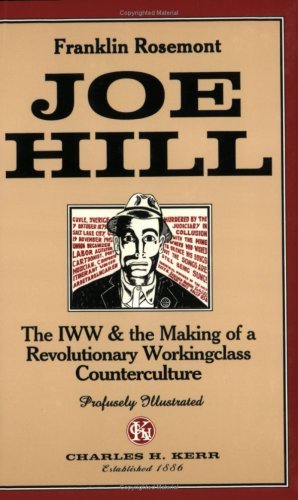
A monumental work, expansive in scope, and not only the life, times, and culture of that most famous of the Wobblies (songwriter, poet, hobo, thinker, humorist, martyr), but crucially - and in great detail - the issues that he raised then - capitalism, white supremacy, gender, religion, wilderness, law, prison, industrial unionism - and their enduring relevance, and impact in the century since his death. Collected too is all his art, plus scores of other illustrations featuring Hill-inspired art by IWWs from Ralph Chaplin to Carlos Cortez, as well as other labor artists. "It has been a long time since so much new material on Joe Hill and the Wobblies has been collected in one volume. All students of the IWW, labor cartoons and songs, radical humor, and the history of blue-collar countercultures in the US will find this book indispensable." [Salvatore Salerno] "In Franklin Rosemont, Joe Hill has finally found a chronicler worthy of his revolutionary spirit, sense of humor, and poetic imagination. This is no ordinary biography. It is a journey into the Wobbly culture that made Joe Hill and the capitalist culture that killed him. But as Rosemont suggests in this remarkable book, Joe Hill never really dies. He will live in the minds of young rebels as long as his songs are sung, his ideas are circulated, and his political descendants keep fighting for a better day." [Robin D G Kelley]