Margins




548 Market St PMB 65688, San Francisco California 94104-5401 USA
© 2026 Paratext Inc. All rights reserved
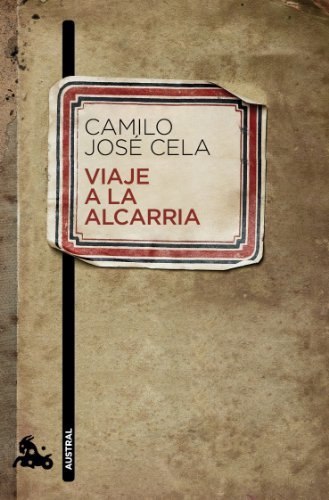
Awarded the 1989 Nobel Prize for Literature, Camilo José Cela has long been recognized as one of the preeminent Spanish writers of the twentieth century. Journey to the Alcarria is the best known of his vagabundajes, Cela’s term for his books of travels, sketchbooks of regions or provinces. The Alcarria is a territory in New Castile, northeast of Madrid, surrounding most of the Guadalajara province. The region is high, rocky, and dry, and is famous for its honey. Cela himself is “the traveler,” an urban intellectual wandering from village to village, through farms and along country roads, in search of the Spanish character. Cela relishes his encounters with the simple, honest people of the Spanish countryside—the blushing maid in the tavern, the small-town shopkeeper with airs of grandeur lonely for companionship, the old peasant with his donkey who freely shares his bread and blanket with the stranger. These vignettes are narrated in a fresh, clear prose that is wonderfully evocative. As the New York Times wrote, Cela is “an outspoken observer of human life who built his reputation on portraying what he observed in a direct colloquial style.”