Margins




548 Market St PMB 65688, San Francisco California 94104-5401 USA
© 2026 Paratext Inc. All rights reserved
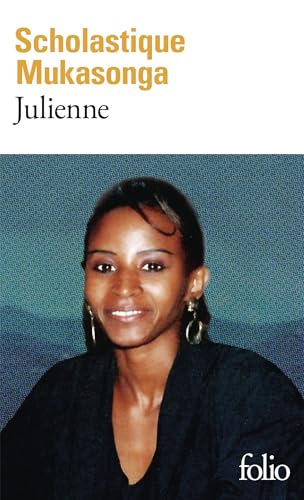
"Il n’y avait plus à reculer, elle devait aller jusqu’au bout du voyage, retrouver sa sœur Lidia à Bujumbura. Cela effacerait la honte qui la rongeait. Elle savait ce que cela coûterait. La ruse du bourgmestre la fit sourire : son départ, elle le savait, serait sans retour." Née au Rwanda avant le génocide, Julienne, sixième enfant – qui plus est fille – d’une famille pauvre, n’est pas la bienvenue. Seule Lidia, sa grande sœur aimante et protectrice, la prend sous son aile. Mais lorsque cette dernière s’exile au Burundi pour poursuivre ses études, l’horizon de Julienne s’obscurcit. Ce n’est qu’au prix de nombreuses souffrances qu’elle parviendra à rejoindre son aînée, puis qu’elle rencontrera le grand amour, comme un talisman pour défier la malédiction et désarmer le malheur.