


Margins
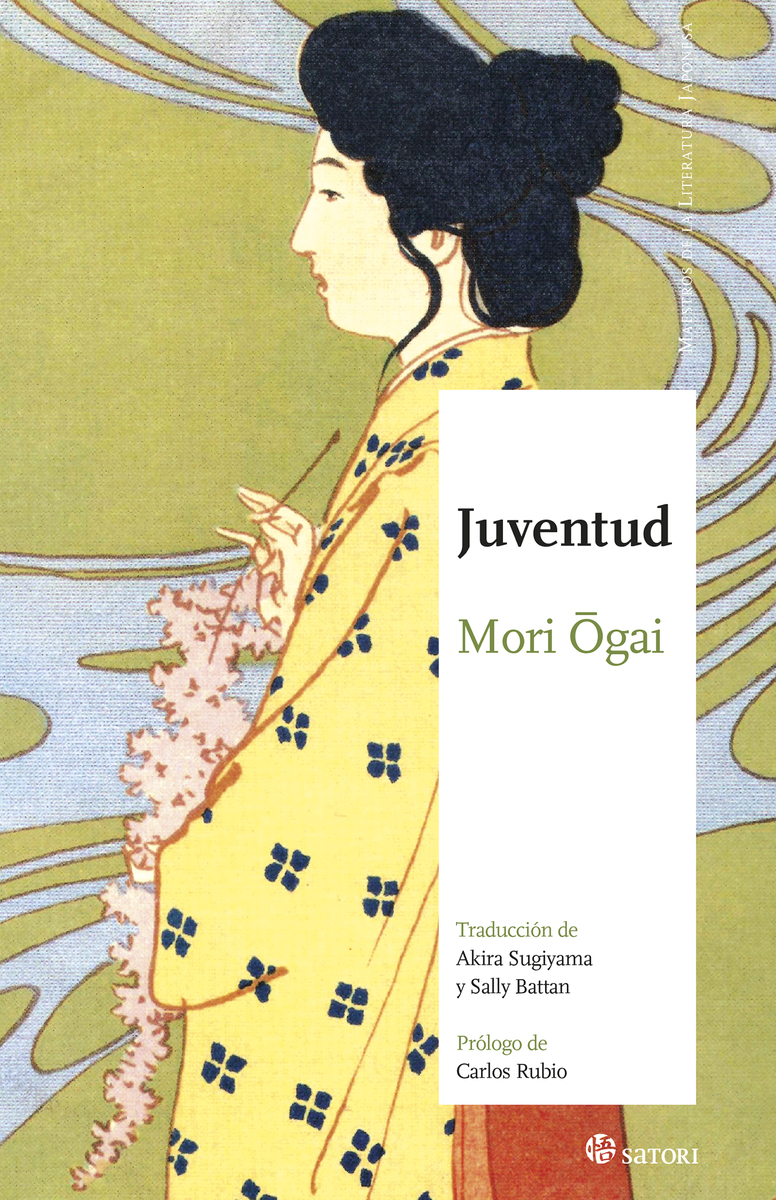
Juventud book cover
Juventud
1910
First Published
3.44
Average Rating
243
Number of Pages

Un relato sincero del camino cuajado de desengaños que lleva a la madurez en el que cualquier lector joven de espíritu podrá reconocerse. Un joven provinciano de familia acomodada acaba de llegar a Tokio para cumplir su sueño de ser escritor. En su maleta trae un montón de ideas aprendidas en los libros y una concepción de lo que ha de ser la vida de un artista digno de tal nombre. Pero todos estos ideales de juventud pronto se irán diluyendo al entrar en contacto con la realidad de los círculos intelectuales del momento y con las tentaciones de la vida bohemia en la gran ciudad. Concebida a modo de novela de aprendizaje, esta obra excepcional construye el retrato fascinante de un joven sensible e idealista enfrentado a su propia incapacidad para ser fiel a sus ideales, desbaratados por la presencia de tres mujeres que lo pondrán a prueba: una viuda millonaria y fatal, una cándida adolescente y una joven geisha. Juventud nos ayuda a comprender la cotidianidad íntima de una juventud desconcertada, que fue protagonista de un cambio de época y de mentalidad, y que nos recuerda a la juventud occidental de hoy en día, de nuevo, puente entre dos mundos.
Avg Rating
3.44
Number of Ratings
55
5 STARS
16%
4 STARS
25%
3 STARS
44%
2 STARS
15%
1 STARS
0%
goodreads

Author

Ogai Mori
Ogai Mori
Author · 17 books

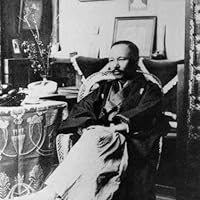
Mori Ōgai, pseudonym of Mori Rintarō (born February 17, 1862, Tsuwano, Japan—died July 9, 1922, Tokyo), one of the creators of modern Japanese literature. The son of a physician of the aristocratic warrior (samurai) class, Mori Ōgai studied medicine, at first in Tokyo and from 1884 to 1888 in Germany. In 1890 he published the story “Maihime” (“The Dancing Girl”), an account closely based on his own experience of an unhappy attachment between a German girl and a Japanese student in Berlin. It represented a marked departure from the impersonal fiction of preceding generations and initiated a vogue for autobiographical revelations among Japanese writers. Ōgai’s most popular novel, Gan (1911–13; part translation: The Wild Goose), is the story of the undeclared love of a moneylender’s mistress for a medical student who passes by her house each day. Ōgai also translated Hans Christian Andersen’s autobiographical novel Improvisatoren. In 1912 Ōgai was profoundly moved by the suicide of General Nogi Maresuke, following the death of the emperor Meiji, and he turned to historical fiction depicting the samurai code. The heroes of several works are warriors who, like General Nogi, commit suicide in order to follow their masters to the grave. Despite his early confessional writings, Ōgai came to share with his samurai heroes a reluctance to dwell on emotions. His detachment made his later works seem cold, but their strength and integrity were strikingly close to the samurai ideals he so admired.

548 Market St PMB 65688, San Francisco California 94104-5401 USA
© 2026 Paratext Inc. All rights reserved