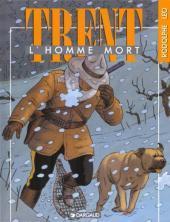



Part of Series
Le grand Nord canadien au début du siècle. Perdu dans une tempête de neige, Philipp Trent, sergent de la Royale, se réfugie dans une cabane de trappeur. Réveillé par un coup de feu au milieu de la nuit, il sauve de justesse le conducteur d'un traîneau encerclé par les loups. Ce "conducteur" est une très jolie jeune fille partie à la recherche d'un truand de bas étage qui a tué un épicier pour quelques dollars. Il semble malheureusement que ce truand et le demi-frère perdu soient un seul et même homme. Pourtant, comment cette crapule, qui a maintenant quatre meurtres à son actif, peut-elle être le demi-frère d'une si adorable jeune femme ? Dans le décor superbe des montagnes du grand Nord, des rapides et des camps indiens, une histoire d'amour fragile, avec des personnages attachants, écartelés entre leur loyauté, leurs rêves et leurs blessures. D'eux d'entre eux se retrouveront peut-être dans une maison rose avec des bougainvilliers. D'autres ont fini sous un tas de pierres, au bout du monde, "là où mènent les rêves".
Authors

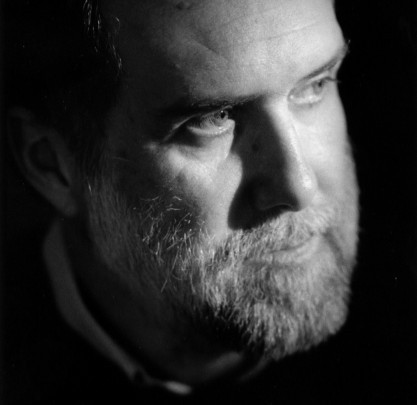
Luiz Eduardo de Oliveira (born on December 13, 1944 in Brazil),[1] more famous under his artist name LEO is a Brazilian comics creator. After having graduated as an engineer in mechanics, Oliveira left Brazil because of the military dictatorship that was in power at the time. He went first to Chile, but the following year saw the Chilean coup of 1973. This led Oliveira to leave, moving to Argentina, from where he finally returned to Brazil in 1974. He found work as an illustrator in the advertising industry of São Paulo, before once more leaving Brazil, in 1981, this time moving to France, hoping to illustrate comics. However as the Franco-Belgian comics industry was in recession at the time, he was forced to work in advertising once again, although he managed to get the occasional piece published in L'Écho des savanes and Pilote. In 1986, with the assistance of Jean-Claude Forest, Oliveira began contributing to the youth dedicated magazines of Bayard Presse. He illustrated true stories for Okapi magazine. He then recounted Mahatma Gandhi's life in the album Gandhi, le pèlerin de la paix, for Astrapi. In 1988, the comics writer Rodolphe asked him to provide the artwork for his stories. Their collaboration proved fruitful, producing 8 albums of material for their Trent series and 5 for their Kenya one. In 1993, Oleveira finally achieved an old dream when Dargaud agreed to publish his first solo series: Aldébaran. In 2000, after 5 volumes of Aldébaran, he launched Bételgeuse, which was nominated for the Prize for a Series at the Angoulême International Comics Festival in 2004.